

You’re trying to lock in a pickup window, move equipment across a loading area, or clear out aging servers before the next project starts. Then the forecast shifts. Morning looks fine, but by lunch the radar hints at rain, humidity climbs, and suddenly a routine operation feels riskier than it did an hour ago.
That’s the problem with weather in alpharetta ga for business use. A consumer forecast tells you whether to bring an umbrella. It doesn’t tell you how to stage retired laptops before a truck arrives, how to protect boxed telecom gear from a wet dock, or how to explain a delay to a facilities manager who expected the job done by the afternoon.
Understanding Alpharetta Weather Beyond the Forecast
A lot of Alpharetta businesses run into the same gap. The weather app says “partly cloudy” or “chance of rain,” but operations teams need more than that. They need to know whether outdoor staging is safe, whether packaging needs to change, and whether today is the wrong day to move battery-containing devices.

The most useful way to read weather in alpharetta ga is as an operating condition, not just a forecast. That matters even more for businesses handling electronics, archived hardware, or equipment waiting for secure disposition. Generic forecasts rarely address truck routing, loading dock timing, or specialized service windows. That’s a real gap for B2B IT disposal companies and their clients, especially when Atlanta-area weather turns quickly during the workday, as noted by WeatherBug’s Alpharetta forecast coverage.
What business teams usually miss
Managers often plan around temperature first. In practice, moisture, timing, and exposure usually cause more trouble than the number on the screen.
A short shower can force a change in loading sequence. High humidity can sit on equipment longer than expected. A sunny afternoon can still be a bad time to leave electronics on a cart near a dock door.
Practical rule: Don’t use the same weather check for commuting and operations. A business move needs a handling plan, not just a forecast icon.
For local context, it also helps to remember that North Georgia doesn’t move through one clean “winter mode.” Conditions can swing enough to affect scheduling and materials planning. This overview of varied North Georgia winter weather is aimed at a different industry, but the core point still applies. Regional weather is variable enough that businesses need flexible timing.
The better way to plan
A useful operational view starts with three questions:
- What is being moved: Servers, desktops, loose drives, batteries, printers, or mixed e-waste all respond differently to heat and moisture.
- Where will it wait: Inside conditioned space, under a covered dock, or briefly outdoors.
- What is the failure point: Delay, packaging damage, data-bearing device exposure, or safety risk for staff.
That’s the difference between checking the weather and planning around it. Businesses that need a more operations-focused local view can use this Alpharetta weather resource for business planning as a starting point.
A Year in Alpharetta The Four Distinct Seasons
Alpharetta follows a humid subtropical climate with an annual average high of 70°F, an annual low of 48°F, and 51.84 inches of annual precipitation, according to U.S. Climate Data for Alpharetta. That broad summary sounds manageable, and in many ways it is. But for operations, the important detail is that rain isn’t confined to one short stretch of the year.

Spring
Spring is usually the most deceptive season for business scheduling. It can feel mild and easy to work in, but transition periods often create uncertainty for dock activity, site visits, and any job involving indoor-to-outdoor movement.
For teams handling electronics or packed assets, spring calls for flexibility. Keep staging areas inside as long as possible, and don’t assume a clear morning means a low-risk afternoon.
Summer
Summer is where weather in alpharetta ga becomes an asset protection issue, not just a comfort issue. Heat, humidity, and storm timing all matter. Equipment can warm up while waiting on pallets or carts, staff fatigue sets in faster during outdoor tasks, and any job that relies on a tight loading sequence can start slipping if thunderstorm conditions build.
Use summer for shorter, tighter execution windows. If the job is large, assign someone to manage staging flow rather than letting equipment queue near the dock.
Summer operations work best when teams reduce exposure time, not when they try to “power through” weather.
Fall
Fall is often the easiest season to work in. Air feels steadier, outdoor movement is more predictable, and crews usually have a wider margin for loading and transport.
That doesn’t mean no planning is needed. It means fall is the best season to schedule jobs that need order and time, such as office cleanouts, data center reductions, and multi-room equipment pulls.
Winter
Winter in Alpharetta is usually workable, but it still deserves respect. Cold snaps, wet surfaces, and occasional wintry conditions can disrupt travel and timing even when snow isn’t a major factor.
The key winter mistake is underestimating delays. Trucks may still run, but staff movement slows, dock surfaces stay slick longer, and organizations tend to stack too many “catch-up” tasks into narrow windows.
Alpharetta seasonal weather at a glance
| Season | Average Temps (F) | Typical Conditions | Operational Focus |
|---|---|---|---|
| Spring | Mild overall | Variable days, periodic rain, shifting conditions | Flexible pickup windows, indoor staging |
| Summer | Warm to hot overall | Humid air, storm-prone afternoons, higher heat load | Shorter exposure times, covered loading, battery caution |
| Fall | Pleasant overall | More comfortable conditions, clearer workdays | Large projects, audits, scheduled removals |
| Winter | Cool overall | Wet spells, occasional cold disruptions | Slip prevention, route caution, schedule buffers |
Preparing for Severe Weather in North Fulton County
Most Alpharetta weather is manageable with good planning. Severe weather is different. Severe weather compresses decision time, changes risk quickly, and punishes businesses that assume “we’ll probably be fine.”

Historical records show that Alpharetta’s conditions can swing sharply. Weather Underground’s monthly history for Alpharetta notes March 2026 monthly values including a maximum temperature of 82°F and a minimum of 52.13°F, which is a useful reminder that transition periods can be variable and disruptive.
Watch versus warning
Businesses need a simple rule here because confusion wastes time.
- Watch: Conditions could support severe weather. Review staffing, secure outdoor items, and stop staging sensitive equipment outside.
- Warning: Severe weather is occurring or imminent. Move people to shelter, stop nonessential movement, and pause loading or transport activity.
That difference matters most for companies with warehouse doors open, trucks en route, or contractors on site. If your plan doesn’t spell out who makes the stop-call, the decision usually comes too late.
What deserves action before the storm arrives
Some prep steps are obvious. Others get ignored until after a close call.
- Secure mobile assets: Carts, empty gaylords, shrink-wrapped pallets, and loose packaging can become hazards when winds pick up.
- Protect the handoff point: The loading dock is usually the weak spot. If water blows in or footing gets slick, your schedule starts failing before the truck is even loaded.
- Build communication scripts: Clients don’t want vague delay notices. They want a revised window, a reason, and a clear next step.
- Separate urgent from movable work: Data-bearing devices, loose drives, and battery-containing hardware shouldn’t sit in uncertain staging areas while teams “wait and see.”
A good local explainer on the broader severe storm threat can help business owners think beyond the headline forecast and focus on response decisions.
If your severe weather plan starts when rain is already hitting the building, you started too late.
For organizations handling sensitive equipment removal, the best preparation is to define chain-of-custody, shelter, and delay procedures before the truck arrives. Businesses planning that type of job can review IT asset removal logistics with weather timing in mind.
How Weather Directly Impacts Your Business Logistics
Weather affects three things at once. People, timing, and assets. Most businesses prepare for one of those and overlook the other two.
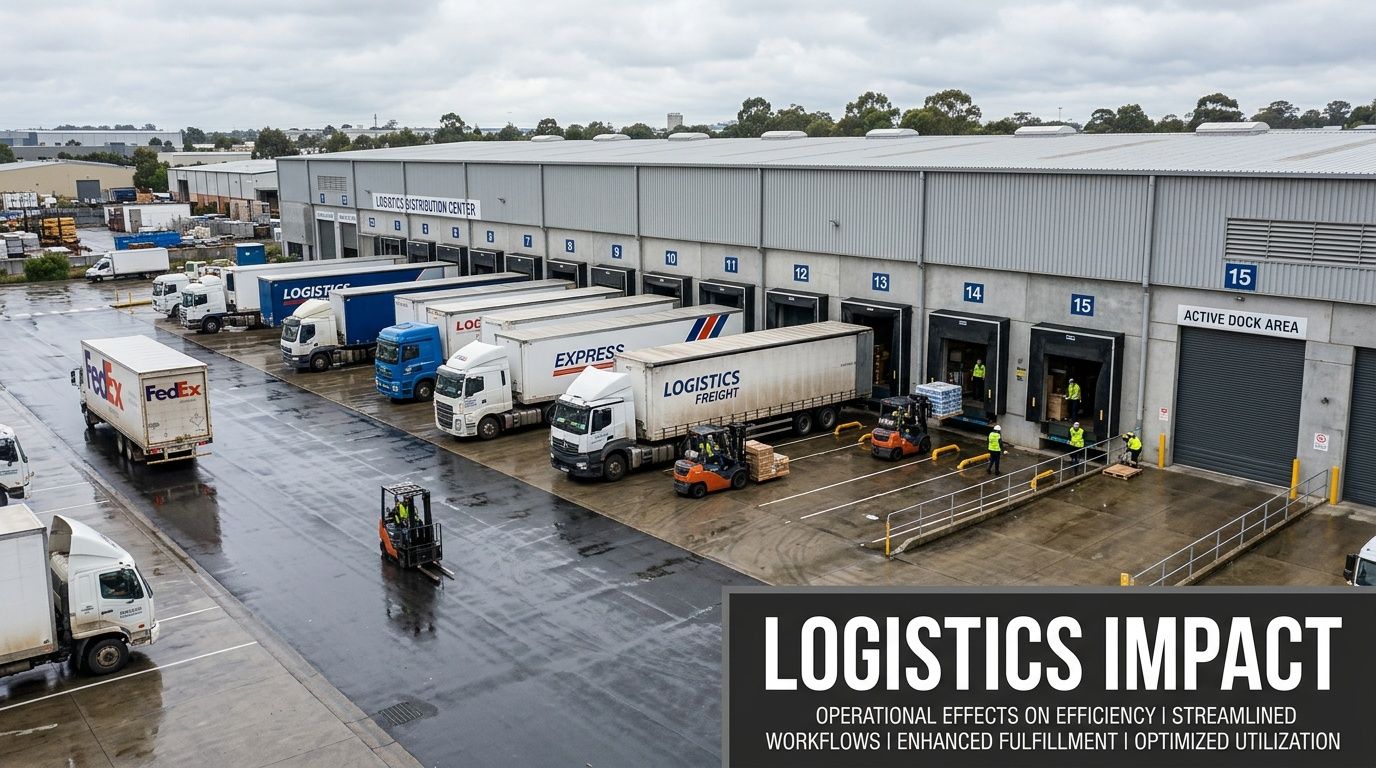
When teams talk about weather in alpharetta ga, they usually mean rain delays. That’s only part of the story. Sun exposure, humidity retention, and repeated transitions between conditioned interiors and outdoor air can create just as many problems, especially for electronics and mixed IT loads.
Heat and sun change how equipment should be handled
Summer sunlight does more than make the dock uncomfortable. In Alpharetta’s climate, WeatherSpark notes elevated summer solar radiation peaking around 6 to 7 kWh/m²/day, and that level of exposure can contribute to photodegradation of plastic casings on IT equipment. The same source also notes that high humidity can amplify thermal runaway risks in lithium-ion batteries.
That matters in ordinary business situations. A stack of retired laptops waiting near glass doors, a gaylord of peripherals left on asphalt, or boxed battery backup units sitting too long before loading all face higher risk when heat and humidity combine.
Rain doesn’t just slow trucks
Rain changes the handoff process. It affects footing, packaging, sequence, and who can safely move what.
A business might think, “The truck can still get here, so we’re fine.” That’s often wrong. A wet dock can slow loading enough to push the entire route, and cardboard or light wrapping that looked adequate indoors may fail once moisture gets into the process.
Consider these common breakdown points:
- Dock congestion: Teams bunch work under cover, which creates bottlenecks and raises handling mistakes.
- Packaging failure: Boxes soften, labels smear, and smaller accessories get separated from the audited load.
- Route drift: Even a minor delay at one site can change arrival timing at the next stop.
- Exposure creep: Items intended for a brief transfer sit outside longer than planned.
Treat retired electronics like weather-sensitive inventory. Even if the material is destined for recycling, mishandling can still create safety, compliance, and value-loss problems.
Humidity creates quiet damage
Humidity is harder to spot than rain, which is why it causes trouble. Equipment can look dry and still hold moisture risk after being moved between spaces.
This shows up in different ways. Connectors feel tacky. Dust adheres more easily. Metal contacts and board surfaces don’t get the clean, stable handling conditions you want before audit, wipe, resale evaluation, or downstream recycling.
Businesses that move electronics regularly should build process around that reality, not around optimistic assumptions. If your organization needs a structured option for covered removal and compliant downstream handling, business electronics recycling services in Georgia are easier to manage when weather exposure is part of the plan from the start.
Smart Scheduling for IT Asset Disposal with Montclair Crew
The best scheduling decisions usually happen before pickup day. Once equipment is stacked near a dock and teams are watching the sky, most of the important choices have already been made.

For IT asset disposal, Alpharetta’s weather creates a planning problem that general office moves don’t always face. Electronics aren’t just bulky. They’re sensitive to moisture, heat buildup, handling sequence, and chain-of-custody mistakes during rushed transfers.
The local humidity profile is a big reason to stage carefully. In Alpharetta’s spring and summer, National Weather Service forecast data referenced for Alpharetta shows humidity levels ranging from 78 to 81%, which makes humidity-controlled handling important for equipment awaiting processing or resale. High moisture can accelerate corrosion on circuit boards and compromise gear that sits too long in unstable conditions.
What works before pickup day
The most reliable jobs share a few habits. None of them are glamorous, but they prevent the last-minute scramble that causes damage and delays.
- Stage indoors first: Keep assets inside conditioned space until the transport sequence is confirmed.
- Sort by handling type: Loose drives, laptops, towers, rack equipment, and battery-containing devices shouldn’t all be mixed into one generic pile.
- Reduce touch count: Every extra move increases the chance of drops, mislabeled items, and exposure.
- Prepare the route through the building: Measure doors, clear elevators, reserve dock access, and identify any flooring or threshold issues.
One practical mistake shows up often. Teams finish internal decommissioning, then move everything into a hallway or semi-covered exterior area “just to be ready.” In humid conditions, that readiness step can create the very exposure problem they were trying to avoid.
What works on pickup day
Pickup day should feel boring. If it feels improvised, the process usually wasn’t set up well enough.
Use a straightforward operating sequence:
- Confirm the weather window early. Don’t rely on the previous day’s assumptions.
- Keep sensitive devices off the dock until the loading path is active.
- Use covered transfer methods where possible.
- Assign one person to release assets and one to verify inventory flow.
- Pause if conditions change sharply. Speed isn’t worth a wet load or a broken chain of custody.
A clean IT disposition job is usually the one that spent the least time exposed between office, dock, and truck.
What doesn’t work
Some habits look efficient but create avoidable risk.
Leaving pallets wrapped but outdoors for “just a little while” doesn’t work. Neither does using standard office boxing for mixed e-waste in rainy conditions. And pushing through a bad weather window because executives want the room cleared by end of day often causes rework, not progress.
Another weak practice is vague communication. If there’s a weather delay, operations teams need a revised process. They don’t need a hopeful message that “we’re monitoring conditions.” Good scheduling means knowing when to hold assets in place and when to release them.
Better timing for larger projects
Large removals benefit from wider timing cushions and stronger indoor staging discipline. Jobs involving data center gear, office consolidations, telecom equipment, or mixed battery loads should be scheduled with room for weather-based adjustment.
That doesn’t mean waiting for perfect conditions. Alpharetta rarely offers perfect conditions for long. It means choosing practical windows, avoiding unnecessary outdoor dwell time, and using a provider that can work through changing conditions without losing control of audit and handling steps.
If your team is planning a pickup, the simplest next move is to schedule a collection window only after staging, access, and weather exposure points are mapped out.
Your Partner for All-Weather E-Waste Recycling
Alpharetta weather doesn’t need to stop business activity. It does require businesses to operate with more discipline than a simple forecast app encourages.
The practical takeaway is straightforward. Weather in alpharetta ga is manageable when companies plan for exposure, not just arrival time. That means tighter staging, better dock decisions, realistic buffers, and a clear rule for when to pause movement.
For IT asset disposal, that discipline matters even more. Electronics, drives, batteries, and resale candidates all respond poorly to rushed transfers and unstable conditions. The companies that avoid problems aren’t lucky. They treat weather as part of chain-of-custody and asset protection.
A local partner makes that easier because local operations depend on local pattern recognition. Alpharetta businesses that need a nearby option for compliant, weather-aware electronics handling can start with Montclair Crew’s Alpharetta service area.
The forecast will still change. Trucks will still hit traffic. Afternoon conditions will still turn a simple pickup into a more complicated job. But those realities are manageable when the process is built around them instead of reacting to them.
If your organization needs a reliable plan for retiring computers, servers, telecom equipment, or mixed IT assets in changing North Fulton weather, Montclair Crew Recycling can help you schedule secure, practical e-waste removal with local experience and weather-aware logistics.
