

It’s 8:30 a.m. on a Thursday. Your leadership team wants a spring client outing, HR needs a wellness event people will be eager to attend, and nobody wants to burn two full workdays on travel. Georgia solves that problem better than many Atlanta companies use. Within a reasonable drive of Alpharetta, Marietta, Smyrna, Sandy Springs, and Kennesaw, you can build outdoor events that fit different business goals without turning planning into a second job.
That range matters for companies that need more than a generic “team day.” Some activities create better conversation and relationship-building. Others are better for stress relief, light competition, or hosting clients in a setting that feels relaxed without feeling unstructured. The strongest calendar usually includes a mix, not one signature outing repeated every quarter.
Georgia’s outdoor network gives planners room to do that. You have urban parks for easy attendance, river access for higher-energy groups, lakes for client entertainment, and trail systems that work for both wellness programming and manager meetups. Teams that want more scenic options can also draw ideas from these beautiful Georgia state parks worth exploring, then scale those ideas to the time and risk tolerance a business event requires.
The planning standard is straightforward. Pick activities people will attend, complete safely, and remember for the right reasons. That means weighing access, fitness range, weather exposure, conversation time, parking, restroom access, food options, and how much setup your office manager or HR lead can realistically handle. The practical trade-offs matter more than novelty.
This guide treats outdoor recreation as a business tool for Metro Atlanta organizations. Each activity below is framed around team-building, employee wellness, and client entertainment, with clear notes on where it fits best and what to watch before you book.
1. Trail Hiking and Nature Walks – Kennesaw Mountain Battlefield Park (Year-Round)
Kennesaw Mountain is one of the safest bets for a company outdoor event because the barrier to entry is low. Most employees can handle a nature walk even if they’d never sign up for a paddle trip or climbing session. That makes it one of the easiest ways to start an outdoor wellness calendar without creating anxiety around gear, athletic ability, or time commitment.
For Kennesaw, Marietta, and northwest Metro Atlanta companies, the location also works in your favor. You can run a half-day event, finish before lunch, and still give people the feeling that they got away from their desks.

What works best for business groups
A wellness hike here works well for teams of mixed fitness levels if you split the event into options. One group can take a more ambitious route. Another can stay on a shorter walking loop with built-in photo and discussion stops. That format keeps stronger hikers engaged without making anyone feel like they’re slowing the group down.
I’d use Kennesaw Mountain for:
- Monthly employee wellness outings: Good for tech, healthcare, and office teams that need routine, not spectacle.
- New-manager meetups: Walking side by side produces better conversation than a conference room.
- Small client relationship events: Better for established clients than first-meeting prospects.
The planning trade-offs
Shade can be inconsistent, especially once the day warms up. Start early, particularly in summer, and tell people exactly what to bring. If you don’t specify water, shoes, and pace expectations in advance, somebody will arrive in slick-soled casual shoes with a coffee and no bottle.
Practical rule: A hike should feel easy enough that people can talk during it. If your route kills conversation, it’s the wrong route for a business outing.
Weekday mornings are usually the cleanest operational choice. Parking is easier, trails feel calmer, and your team won’t compete with peak leisure traffic. Pair the walk with brunch or lunch nearby if you want the event to carry more relationship value.
If you want to turn this into a broader Georgia parks series, use Montclair Crew’s guide to beautiful state parks in Georgia as a companion planning resource.
2. Kayaking and Paddling – Chattahoochee River National Recreation Area (Spring-Fall)
A north Atlanta team can leave the office after breakfast, spend a half day on the Chattahoochee, and still be back in time for a late lunch debrief. That makes paddling one of the most workable outdoor formats for Atlanta-area companies that want more than a social outing. It puts people in a setting where communication, pacing, and shared problem-solving happen naturally.
The Chattahoochee is a strong fit for teams based in Sandy Springs, Marietta, Roswell, and the Perimeter. Travel stays manageable, the setting feels like a real reset, and you do not need the logistics of a full-day mountain trip to get good team interaction.
Where paddling works best
Kayaking and paddling are useful when the goal is active participation, not passive mingling. People have to coordinate launch timing, adjust to the river’s pace, and communicate without overcomplicating things. That makes this format especially effective for cross-functional departments, manager cohorts, and internal groups that need better working rhythm outside the office.
It also works well for:
- Mid-sized department outings: Large enough to create shared momentum, small enough to manage safely.
- Employee wellness days: Water changes the tone faster than another patio lunch or park meetup.
- Leadership offsites with light structure: Pairs and small groups make decisions in real time, which gives facilitators good material for a post-trip discussion.
Planning trade-offs that matter
Use an outfitter. For corporate groups, that is the cleanest operational choice. Shuttle coordination, equipment setup, safety instructions, and launch timing can get messy fast if you try to piece the day together yourself.
Keep the route beginner-friendly. A shorter float with calm sections usually produces a better event than a longer route that leaves half the group tired, wet, and quiet on the ride back.
This is not the right pick for every audience. Employees with participation anxiety may prefer a land-based option, and reserved clients can feel exposed in a water setting. For client entertainment, I would use paddling only when you already know the group is comfortable with active outings.
Weather discipline matters here more than with a walk or picnic. Spring and early fall usually give you the best operating window. Summer can still work, but early start times, clear packing guidance, and a backup plan for storms are necessary.
The best river events feel simple to the attendees because the organizer handled every decision in advance. Arrival instructions, what to wear, where to store phones, and what happens if weather shifts should all be settled before anyone leaves the office.
If you are building a broader warm-weather retreat around this outing, pair the river with lighter downtime later in the day, such as dinner or planning ideas inspired by these best Georgia beaches for a relaxing vacation.
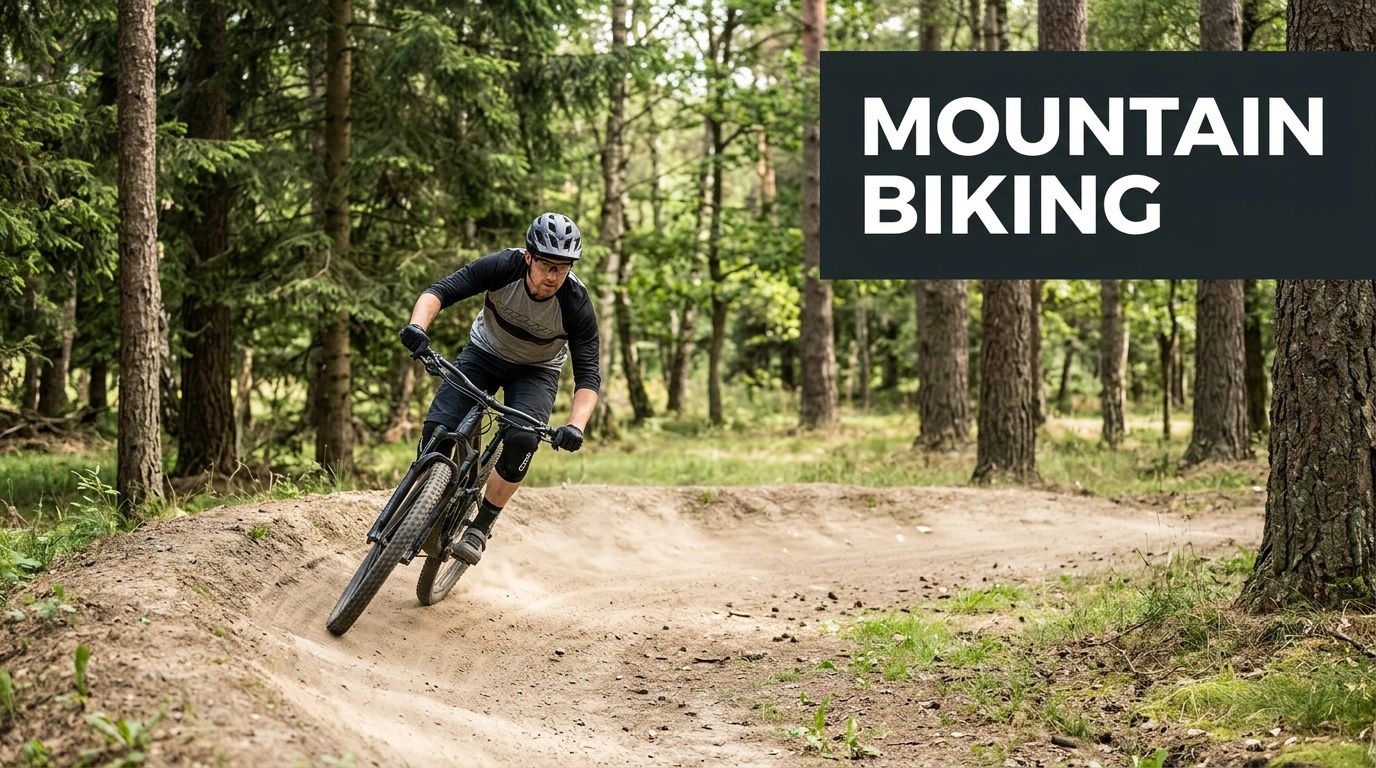
3. Mountain Biking – Blankets Creek Mountain Bike Park (Spring-Fall)
Mountain biking works best when your company culture already leans active. Don’t treat it like a universal crowd-pleaser. Treat it like a high-engagement option for teams that want speed, progression, and a little edge. For startups, younger departments, sales teams, and highly social internal groups, it can be a strong fit.
Blankets Creek is the kind of venue where energy builds quickly. That’s useful when you need to break people out of office mode fast.
Best use cases
This is a strong choice for:
- Tech and creative teams with existing outdoor interest
- Quarterly morale events for competitive departments
- Optional wellness programming with self-selected participation
The self-selection point matters. Biking events are usually better as opt-in than all-hands. Employees who want this kind of outing will be excited about it. Employees who don’t may feel trapped if you frame it as mandatory fun.
How to keep the event from going sideways
Start every group on beginner-friendly trails, even if a few participants insist they ride all the time. Mixed-ability biking gets risky when stronger riders push pace too early. The cleanest format is one guided introductory loop, one regroup point, then optional route splits based on comfort.
If you’re organizing this from HR or office operations, make helmets mandatory and have a lead rider plus a sweep rider. Nobody wants to admit they’re struggling if they think the group is waiting on them. A sweep solves that.
- Use weekday sessions: Trails are calmer and novice riders feel less pressured.
- Add a skills clinic first: Braking, cornering, and body position save the day.
- Plan a social finish: Lunch afterward is where the team-building lands.
The trade-off is simple. Mountain biking creates stronger shared challenge than a walk, but it excludes more people. Use it selectively, and it can become one of your most effective recurring activities.
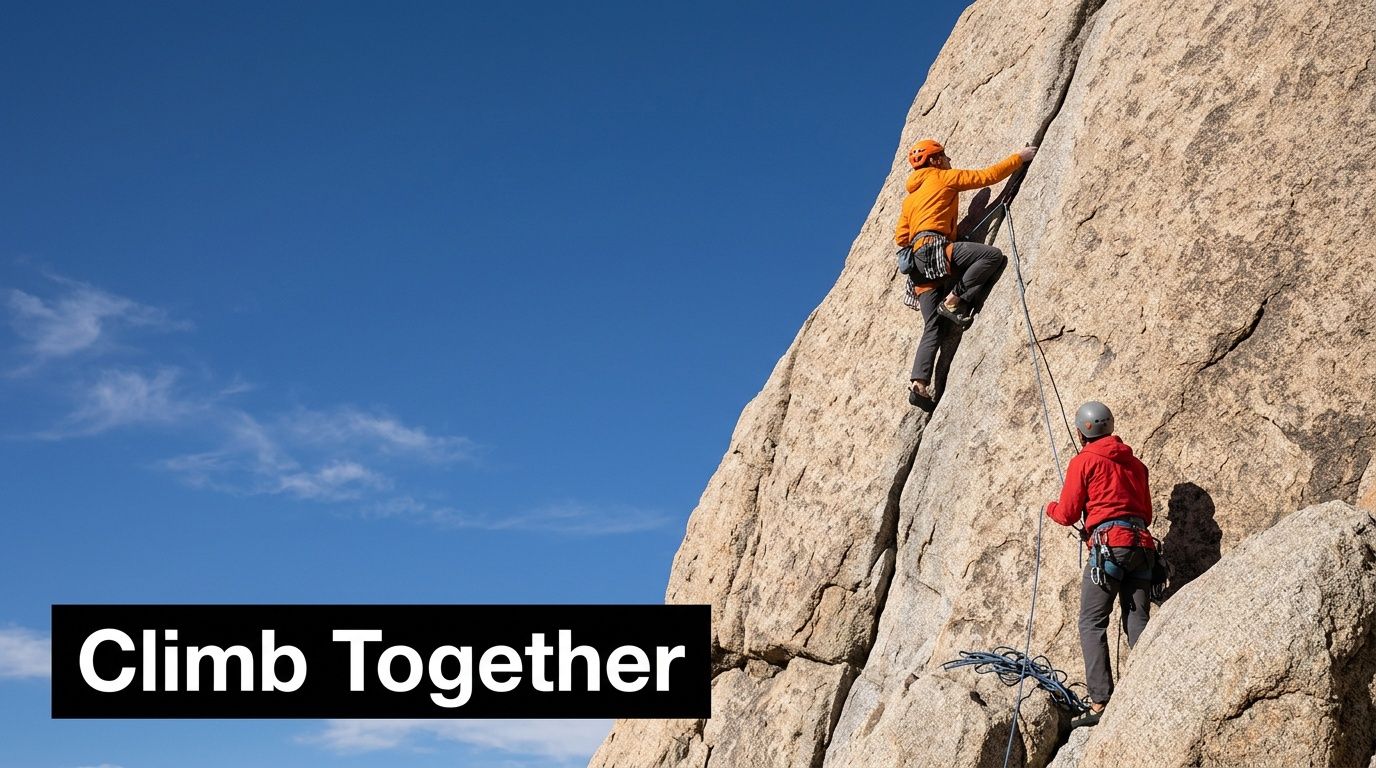
4. Rock Climbing and Bouldering – Stone Mountain Park Climbing Area (Year-Round)
Climbing is one of the clearest trust-building activities available near Atlanta. It forces communication, pacing, and role clarity in a way that business people immediately understand. One person climbs, another supports, another watches technique, another manages gear or encouragement. Everyone has a job.
That’s why I like climbing for leadership teams and small, high-accountability groups. It’s less useful for giant company-wide events. The format asks for attention and instruction, and that doesn’t scale as smoothly as hiking or picnicking.
Why it works for executive and manager groups
Teams that spend most of their time solving abstract problems often respond well to a physical challenge with immediate feedback. You either communicate well or you don’t. You either stay calm under pressure or you don’t. The lesson lands without anyone needing a slide deck afterward.
Stone Mountain also offers options beyond pure climbing. If your group includes people who won’t climb, they can still participate in the day through walks, scenic access, or joining the shared meal and conversation.
The main caution
This is not the event to self-run for beginners. Bring certified instructors, use beginner-appropriate routes, and keep expectations modest. The win isn’t summit glory. The win is that people support each other, try something unfamiliar, and leave with confidence rather than embarrassment.
Stone Mountain is also relevant for teams thinking more intentionally about accessibility. Existing Georgia outdoor content often overlooks adaptive and mobility-conscious planning, even though this is a real need for family-inclusive company events and mixed-ability groups, as noted in this analysis of gaps in Georgia outdoor accessibility coverage.
Some employees want challenge. Others want inclusion. The best event plans account for both before invitations go out.
Winter is often the cleaner season for climbing-focused events because the temperatures are more manageable. In peak summer, keep it early and concise.
5. Fishing – Lake Acworth and Allatoona Lake (Spring-Fall)
Fishing is underrated in corporate planning because people assume it’s too slow. That slowness is exactly why it works. For client entertainment, relationship repair, and low-pressure networking, fishing often beats louder activities. People can talk without performing. Silence doesn’t feel awkward. Newer relationships have room to settle.
Lake Acworth and Allatoona are especially useful for Kennesaw, Marietta, and Cobb-area businesses that want something more distinctive than a standard lunch.
Best fit for business use
Fishing works well for:
- Client retention outings
- Small leadership team resets
- Employee appreciation events for mixed personality types
This is one of the few outdoor formats where introverts and extroverts can both have a good day. The extroverts talk. The introverts enjoy the setting and join in naturally.
What to handle upfront
The event quality depends heavily on setup. If nobody on your team knows the lakes, hire a guide. That single decision usually determines whether the day feels polished or improvised. You’ll also want to handle licensing and gear clarity before anyone arrives. Don’t send a calendar invite that leaves people wondering what they’re responsible for bringing.
Georgia’s outdoor economy has long had strong support from the broader industry side as well. The Outdoor Industry Association has described Georgia outdoor recreation as a $27.3 billion annual economic driver that employs 238,000 people directly, according to Georgia Conservancy’s summary of OIA’s economic benefits discussion. For business leaders, the practical takeaway is simple. Fishing and other outdoor events aren’t fringe leisure activities in this market. They’re part of a major statewide ecosystem.
A few planning rules keep fishing outings effective:
- Keep groups small: Conversation quality drops when too many people share one boat.
- Schedule mornings: The day feels better when the weather is cooler and the lake is calmer.
- Build in food: A dockside lunch or picnic gives the outing a clear social center.
Fishing won’t energize every team. It will, however, create strong one-to-one and small-group interaction when that’s the actual objective.
6. Picnicking and Outdoor Dining – Centennial Olympic Park and Piedmont Park (Year-Round)
A 90-minute lunch in the office rarely changes team dynamics. A well-run park gathering can. For Atlanta companies that need one event format that works for employees, leadership, clients, and families, picnicking at Centennial Olympic Park or Piedmont Park is usually the safest choice.
It works because participation stays flexible without feeling vague. People can join a lawn game, take a short walk, sit down for a client conversation, or bring children without feeling like they are slowing down the group. That range matters for hybrid teams and companies trying to improve attendance across departments.
Centennial Olympic Park fits downtown firms that want easy access, a recognizable Atlanta setting, and a polished backdrop for client-facing events. Piedmont Park is usually the better pick for larger internal gatherings, wellness-focused outings, and company picnics that need more room to spread out.
The trade-off is planning discipline.
Park events look simple from the outside, but the quality gap between a casual meet-up and a strong corporate outing is wide. Good execution comes from layout, timing, and flow. Put the food line too close to seating, and people camp in one area. Skip a check-in point, and late arrivals drift without context. Overload the agenda, and the event starts to feel like a mandatory meeting on grass.
A stronger setup usually includes:
- A defined arrival zone: Give people one clear place to check in, get the schedule, and orient themselves.
- A light program: One welcome, one optional group activity, and plenty of open time usually works better than a packed agenda.
- Food that supports movement: Stations and picnic spreads create more interaction than a boxed lunch handed out at a table.
- A weather backup: Covered space, tenting, or a reschedule plan should be decided before invitations go out.
This format is especially useful for employee appreciation days, family-inclusive summer events, recruiting socials, and informal client entertainment. It also gives quieter employees an easier way into conversation than high-exertion outings do.
If you want to build the day around a broader Georgia outing calendar, this guide to small towns in Georgia worth visiting for group trips can help with future off-site planning beyond Atlanta parks.
7. Walking Tours and Historic Exploration – Marietta Square and Alpharetta Heritage Trail (Year-Round)
Not every company outing should feel recreational first. Some of the best ones feel conversational first. That’s where walking tours around Marietta Square or the Alpharetta Heritage Trail come in. They give your team enough movement to feel refreshed, but the primary value is the setting for discussion.
This works especially well for onboarding, leadership lunches, and client meetings that would feel stiff in a conference room.
The strongest business applications
A historic walk is good when you want:
- A low-impact event with broad attendance
- A polished but unfussy client experience
- An outing that can fit inside a workday
Marietta Square is strong for teams already based nearby and for businesses that want to pair the walk with lunch. Alpharetta’s setting makes sense for north metro firms that want something close to the office but not office-like.
Why these tours outperform generic meetups
A route with a few points of interest gives people something to react to. That helps newer employees and quieter participants contribute naturally. It’s easier to talk when there’s an external focus. You’re not depending on forced icebreakers.
I also like this format for new hires because it links people to the community around the office. If you’re trying to build local identity after a relocation, acquisition, or office reopening, a walk through a district like this does more than another catered welcome lunch.
A good team event gives people a shared reference point. Historic districts do that without asking anyone to be athletic.
The practical downside is that these outings can feel too light if your culture expects a more active challenge. In that case, treat the walk as part of a larger block. Add lunch, a scavenger hunt, or a hosted discussion session. For businesses that want to extend the idea into nearby destinations, Montclair Crew’s list of Georgia small towns worth visiting offers useful inspiration.
8. Geocaching and Outdoor Treasure Hunting – Various Metro Atlanta Parks (Year-Round)
A team arrives at a metro Atlanta park with 90 minutes before lunch, a mixed group of extroverts and quieter employees, and no appetite for another forced icebreaker. Geocaching solves that problem well. It gives people a shared objective, enough movement to reset the workday, and just enough competition to keep attention high without turning the outing into a fitness test.
For Atlanta-area businesses, that makes geocaching useful far beyond a casual weekend activity. It works well for onboarding groups, intern classes, cross-functional teams, and client-facing departments that need a lighter format than ropes courses or full-day retreats. The best version feels organized and smart. The bad version feels like a phone scavenger hunt with no pacing.
The planning difference is simple. Curate the experience.
Choose a park with reliable paths, easy parking, restrooms, and enough shade to stay comfortable in warmer months. Then pre-select caches in a sequence that fits your time window. I usually recommend shorter routes with early wins, because the first 15 minutes set the tone. If participants spend too long on one difficult cache, the group starts splitting up, energy drops, and your host ends up managing frustration instead of team interaction.
Geocaching is especially effective when your goal is problem-solving under light pressure. Every stop creates a small decision point. Who reads the clue closely? Who spots patterns? Who keeps the group moving? That gives managers a better read on team dynamics than another restaurant lunch ever will.
A few practical guardrails matter:
- Keep teams small enough that everyone can contribute
- Test the route in advance, or assign a lead who has
- Avoid highly technical hides for first-time groups
- Set a clear time cap so the event does not drift
- Pair the hunt with lunch, coffee, or a short debrief to turn activity into conversation
The trade-off is that geocaching needs more setup than it appears to. It is easy to underestimate the host role. Someone has to verify the caches, think through parking and arrival flow, and decide what happens if one location is crowded or unavailable. That extra prep is worth it for companies that want a repeatable, low-cost format they can run more than once a year.
If you need a park-adjacent follow-up plan, this list of things to do in Atlanta this weekend is a practical place to look for nearby lunch or post-event options.
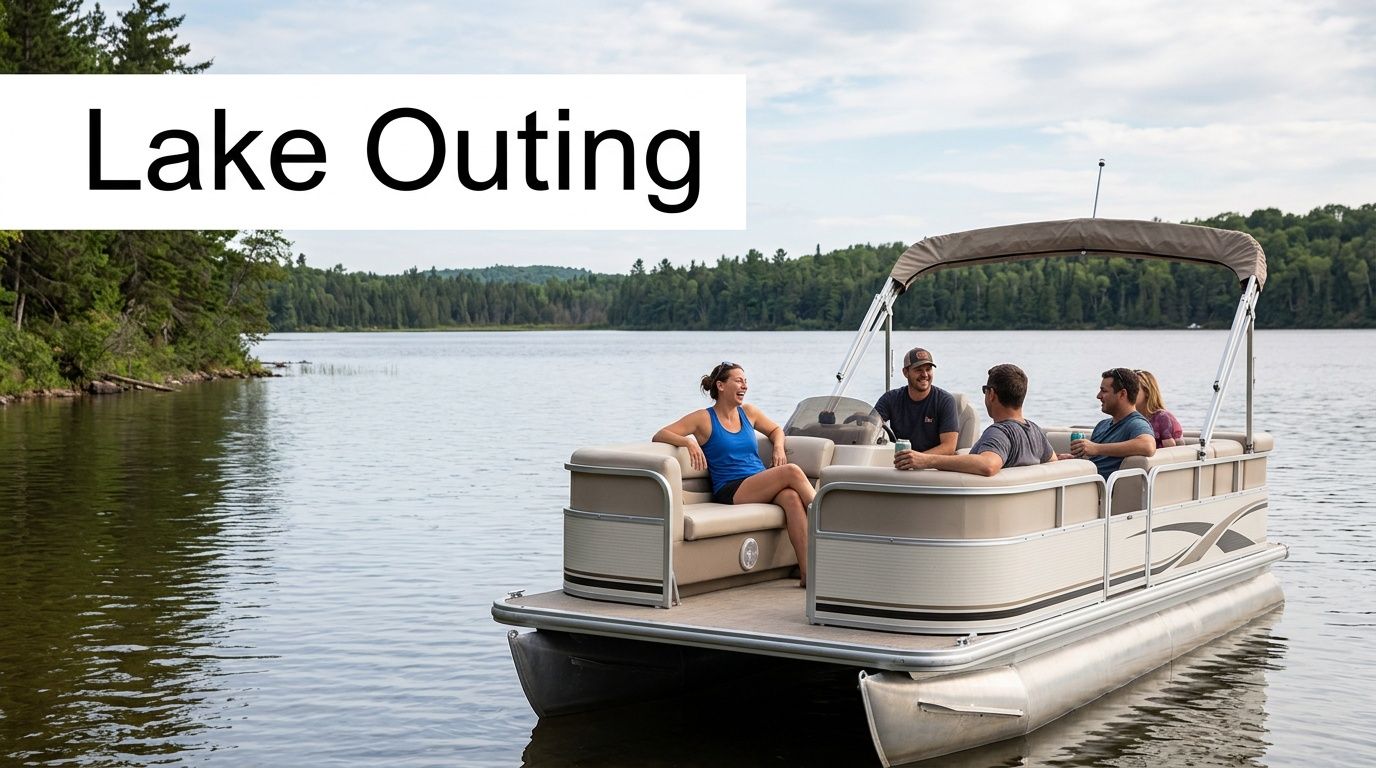
9. Boating and Water Sports – Lake Lanier (Spring-Fall)
A Lake Lanier outing changes the tone of a company event the moment guests arrive. It asks for more budget, more coordination, and a clearer purpose than a park meetup or short activity inside the perimeter. For Atlanta-area businesses, that extra lift makes sense when the goal is relationship-building with executives, rewarding a high-performing team, or giving clients a premium day that feels deliberate.
The best Lanier events stay focused. Pick one main format, then build the day around it. A pontoon cruise with lunch works well for conversation-heavy groups. A guided boating package or a structured mix of cruising and light water activities fits better when you want a stronger recreation component.
Where Lake Lanier works best for business groups
Lake Lanier is a strong fit for:
- Executive retreats that need privacy and a change of setting
- Client entertainment where hospitality matters as much as the activity
- Employee appreciation events with a higher-end feel
- Leadership teams that benefit from longer, less interrupted conversation
Pontoon rentals are usually the safest operational choice. They keep the group together, support food and conversation, and reduce the skill gap that can make water sports awkward for mixed groups. Tubing, wakeboarding, and jet skis have energy, but they also create downtime for anyone waiting their turn. That trade-off matters if the event is supposed to strengthen group interaction rather than spotlight a few confident participants.
A captain is often worth the cost. Safety is one reason. Host effectiveness is the other. If your internal organizer is busy docking, watching time, and managing route decisions, they are not greeting clients, reading the room, or keeping the agenda on track.
Food planning also needs more discipline than teams expect. Do not rely on guests to figure it out once they arrive. Pre-arranged catering, boxed lunches, or a marina restaurant reservation keeps the day on schedule and avoids the common mid-event slump that comes from heat, delays, and inconsistent meal timing.
Lake Lanier has a mature event infrastructure, which helps Atlanta companies stage polished outings without building everything from scratch. Marinas, charter operators, captains, and catering partners already support group events throughout the spring and summer season. If your leadership team also reviews competitive hospitality ideas for clients, it helps to compare this format with other premium recreation options, including the top golf tournaments in Atlanta.
The limitations are real. Weather changes plans quickly. Water-based events will not appeal to every employee. Transportation from Atlanta can also reduce attendance if the schedule starts too early or runs too late.
Use Lanier when the business value justifies the logistics. For the right audience, it produces a stronger sense of occasion than almost any other outdoor option near Atlanta.
10. Golf Outings – Metro Atlanta Golf Courses (Year-Round, Best Spring-Fall)
A sales team brings in six clients for an afternoon round, and the event succeeds or fails before the first tee shot. Pairings, pace of play, food timing, and the course choice shape the outcome more than the scorecard. For Atlanta-area businesses, golf works best when it is planned as a business tool, not treated as a default social outing.
Golf earns its place on this list because it serves three goals at once. It gives clients and executives time to talk without forcing a formal agenda. It supports employee recognition in a setting that feels more polished than a park meetup. It also gives HR and operations teams a format that courses already know how to host.
That built-in infrastructure matters. Metro Atlanta courses can usually handle tee times, carts, range access, banquet space, and post-round meals without much custom production. For planners, that lowers operational strain compared with activities that require outside guides, permits, or safety staffing.
Golf is a strong fit for client entertainment, executive networking, company appreciation days, and mixed-group events where some guests want conversation more than competition.
The format still needs careful design. A traditional tournament can alienate newer employees, junior staff, and anyone who does not play regularly. If the goal is inclusion, use a clinic-first agenda, a scramble, or a nine-hole outing with lunch. Those formats keep the tone lighter and reduce the pressure that comes with golf etiquette, long rounds, and obvious skill gaps.
Course selection is where corporate planners make or miss the mark. A premium private club may impress a specific client group, but it can also raise cost, travel time, and dress-code friction. Public and resort-style courses often work better for broader company events because they are easier to access and more forgiving for casual players.
Season matters too. Golf is available year-round in metro Atlanta, but spring and fall produce the best attendance and the smoothest guest experience. Summer heat slows play and wears people down by the back nine. Winter rounds can work for smaller groups, especially leadership outings, though shorter daylight hours limit flexibility.
If golf is part of your client entertainment calendar, review the top golf tournaments in Atlanta before locking in dates. Premium courses and preferred tee times tighten up quickly around major local events.
Used well, golf gives Atlanta companies a clean way to host clients, reward teams, and create conversation that would feel forced in a conference room. Used carelessly, it becomes a long, expensive day that serves only the strongest players. The difference comes down to format, audience fit, and disciplined planning.
Top 10 Georgia Outdoor Activities, Year-Round Comparison
| Activity | Complexity 🔄 | Resources ⚡ | Expected Outcomes 📊 | Ideal Use Cases 💡 | Key Advantages ⭐ |
|---|---|---|---|---|---|
| Trail Hiking, Kennesaw Mountain | Low, basic planning, trail selection, weather checks | Low, comfortable shoes, water, transport; free entry | Team cohesion, wellness, informal learning | Small–medium team wellness hikes, educational outings | Low cost, accessible, year‑round with precautions |
| Kayaking, Chattahoochee River | Moderate, safety briefings, water-level monitoring | Moderate, rentals/guides, life vests, permits (seasonal) | Cooperative teamwork, stress reduction, nature immersion | Small groups, skill-building retreats, client outings | Unique water perspective, wildlife viewing, scalable difficulty |
| Mountain Biking, Blankets Creek | Moderate–High, trail matching, safety leadership | High, bikes (rental or personal), helmets, transport | High engagement, fitness, friendly competition | Active workforce events, wellness programs, youth-focused teams | Purpose-built trails, skills progression, local biking community |
| Rock Climbing, Stone Mountain | High, certified instruction, belay certification | High, harnesses, ropes, instructor rental, liability prep | Trust building, problem solving, leadership practice | Executive retreats, leadership development, team trust exercises | Strong trust/communication outcomes, compact schedule |
| Fishing, Lake Acworth / Allatoona | Low, early starts, simple logistics, weather check | Low–Moderate, rods, boat/guide optional, licenses | Relaxed bonding, low‑pressure networking, stress relief | Client entertainment, quiet team bonding, mixed-ability groups | Low intensity, budget‑friendly, good for client relations |
| Picnicking, Centennial / Piedmont Park | Low, reservation for pavilions at scale | Low, catering, permits for large groups, seating | Large-group socializing, inclusive interaction | Company picnics, client receptions, family wellness days | Accommodates 10–500+, easy access, professional setting |
| Walking Tours, Marietta Square / Alpharetta Trail | Low, route planning, optional guide | Low, maps/apps, light coordination, timing | Cultural education, low-impact exercise, local engagement | Onboarding, mixed‑generation teams, short outings | Accessible, low cost, strong community connection |
| Geocaching, Metro Atlanta Parks | Low–Moderate, cache route planning, app prep | Low, smartphones, app, small prizes; data needed | Gamified teamwork, problem solving, engagement spikes | Tech‑savvy teams, short competitions, onboarding games | Flexible duration, encourages exploration, shareable moments |
| Boating & Water Sports, Lake Lanier | High, marina booking, safety protocols, crowd management | High, boat rentals/captains, life vests, higher budget | High engagement, full‑day rejuvenation, premium branding | Executive retreats, large client entertainment, multi-activity days | Wide activity variety, accommodates large groups, prestige venue |
| Golf Outings, Metro Atlanta Courses | Moderate, tee time booking, event coordination | High, greens fees, equipment, multi‑hour time blocks | Networking, business development, structured competition | Client relationship building, executive networking, tournaments | Strong networking environment, professional atmosphere, scalable events |
Putting Your Plan in Motion: Your Next Adventure Awaits
The best outdoor program for an Atlanta-area business isn’t the most adventurous one on paper. It’s the one your company can repeat consistently without burning out the people responsible for planning it. That means choosing activities based on group size, travel time, comfort level, season, and the kind of outcome you want. Morale, trust-building, client hospitality, wellness, and recruiting culture don’t all require the same environment.
That’s the main reason Georgia works so well for year-round planning. You don’t have to force one activity to do every job. Use hikes and walking tours for low-friction participation. Use paddling, climbing, and biking for challenge-based bonding. Use park dining, fishing, golf, and lake days when the event needs more conversation, more hospitality, or a more polished client-facing tone.
The business case is there, but the practical case matters more. You can launch this without a giant retreat budget. A weekday morning hike for a department. A quarterly park picnic with families. A leadership paddle day. A simple Alpharetta walking lunch for new hires. Those smaller events often produce better attendance and more honest engagement than one oversized annual offsite.
I’d also encourage planners to think in seasons instead of one-off ideas. Spring is ideal for hikes, paddling, and golf. Summer favors early-start river trips, shaded park gatherings, and carefully managed lake days. Fall is perfect for walking tours, fishing, biking, and broad-attendance outdoor lunches. Winter still leaves room for hiking, climbing, and golf on the right days. When you frame your calendar that way, the question stops being whether your team should get outside and becomes which format fits the next quarter.
Accessibility should stay part of that planning from the start. Not every employee wants a strenuous challenge. Not every spouse, child, client, or colleague can participate comfortably in the same way. The strongest organizers build options into the event design itself. A shorter route. A non-paddling alternative. A clinic instead of direct competition. A social core that matters even if someone opts out of the main activity. That approach improves turnout and protects the culture you’re trying to build.
Keep the first outing simple. Pick one activity from this list that matches your team’s personality and your office geography. If you’re in Kennesaw, start with a weekday morning hike or nearby fishing event. If you’re in Alpharetta or Sandy Springs, a Chattahoochee paddle or Heritage Trail walk may be the easiest lift. If your company needs a premium client event, golf or Lake Lanier will likely serve you better than a generic dinner reservation.
The larger goal isn’t to check a wellness box. It’s to create a rhythm of shared experiences that employees associate with a healthy workplace. Fresh air helps. Movement helps. Unstructured conversation helps. So does giving people a reason to relate to each other outside role titles and inboxes.
Georgia gives you the terrain. Metro Atlanta gives you the access. What matters now is execution. Choose one outing, assign an owner, set a date, and run it well. If golf is on your event calendar, it’s also worth reviewing best golf push cart options if you’re supporting participants who prefer to walk rather than ride.
If your next outdoor event also involves office moves, device refreshes, datacenter cleanouts, or end-of-quarter equipment decommissioning, Montclair Crew Recycling can help your team handle the back-end logistics responsibly. Atlanta-area businesses rely on Montclair Crew for secure IT asset disposition, electronics recycling, data destruction, on-site pickup, and environmentally compliant disposition across offices, schools, healthcare facilities, and enterprise environments. It’s a practical way to keep sustainability and security moving forward while your team focuses on building a stronger workplace.
