

Most museum roundups tell you what to see. They rarely tell you what matters when you're booking for a school group, coordinating a team outing, or trying to keep grandparents, kids, and strollers moving on the same schedule.
That gap is where plans fall apart. A museum can have a strong collection and still be the wrong pick if parking is tight, timed entry is strict, the campus is too spread out, or the visit length doesn't fit your group. The best museum for a date day isn't always the best museum for a field trip. The best place for a half-day executive outing may be a poor fit for a family with younger children.
Georgia gives you a strong range of options, from Atlanta anchors to destination museums worth a dedicated drive. The state also has a deeper museum bench than many visitors realize. Georgia's museums industry has grown at an average annual rate of 3.7% from 2021 to 2026, according to IBISWorld's Georgia museums industry profile. That matters for planners because a growing museum sector usually means more active programming, more updated visitor experiences, and more reasons to book ahead instead of assuming you can just show up.
There are also different tiers of institutions in play. Georgia includes major museum organizations with substantial operating scale, including the National Center for Civil and Human Rights at $31.8M in annual revenue, followed by the Atlanta Botanical Garden at $27.9M and Exploring at $26.1M as listed by ZoomInfo's top Georgia museum organizations page. Large institutions tend to handle group logistics more smoothly, but smaller or more specialized museums can deliver a better experience if your goal is focus, lower stress, or easier parking.
This guide keeps the focus on practical fit. You'll still get the exhibits worth your time, but its primary goal is helping you choose the right stop for your group size, schedule, mobility needs, and tolerance for Atlanta traffic. If you're looking for the Top Museums to Visit in Georgia, start with the museum type that matches the day you're planning to run, not the prettiest photo online.
1. High Museum of Art
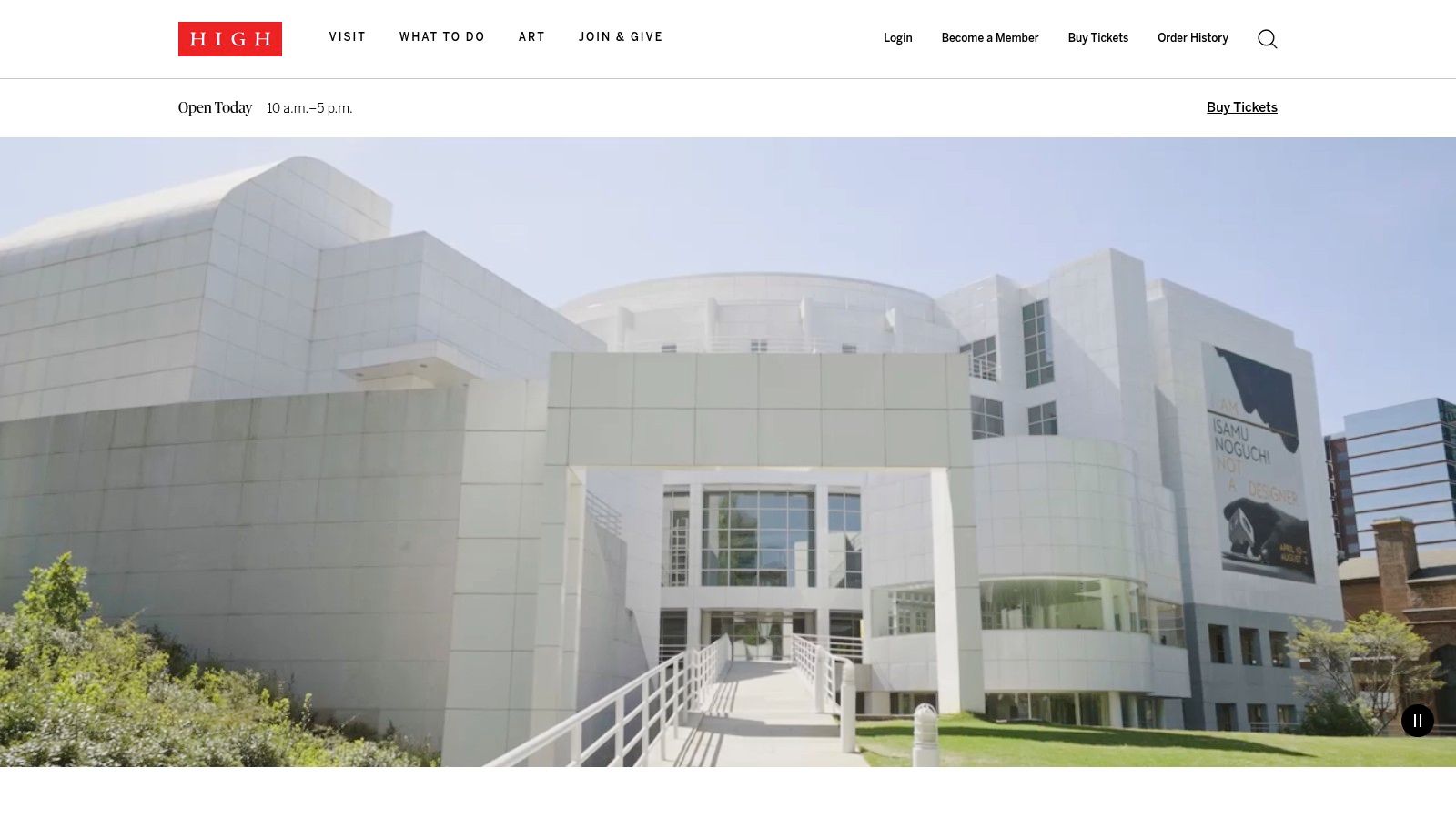
The High Museum of Art is the cleanest choice if you want a polished, dependable Atlanta museum day. It works for client entertainment, adult group outings, visiting family, and older kids who can stay engaged in gallery settings. If you need one museum in Georgia that rarely feels like a bad pick, this is it.
Its strength isn't just the art. It's the combination of broad collection coverage, strong temporary exhibitions, a Midtown location, and a building that feels easy to get around compared with more sprawling campuses. For planners, that matters more than people admit.
Best fit for organized city visits
The High is a strong call when your group wants a museum visit that can easily connect to lunch, transit, or other Midtown plans. Paid parking is available, and MARTA access makes it more practical than drive-only destinations for mixed groups arriving from different parts of metro Atlanta.
For companies, this is one of the easier museums to pair with a restaurant reservation or nearby meeting. For families, the family learning spaces help break up gallery fatigue. For school groups, the museum works best when teachers or organizers define a focus before arrival instead of trying to cover everything.
Practical rule: Book early when a major traveling exhibition is in town. Timed-entry shows can reshape the whole day, especially if you're coordinating a group that can't drift in on flexible timing.
A few planning realities matter here:
- Best for mixed-interest groups: The collection spans American, European, African, folk and self-taught, design, photography, and contemporary art, so it's easier to satisfy different tastes.
- Best arrival strategy: If you're driving, aim for an earlier arrival window. Midtown traffic can turn a smooth museum plan into a late start fast.
- Best use case for businesses: This is one of the stronger options for client-facing outings because the museum experience feels polished without being overly heavy.
What works and what doesn't
What works is consistency. The High usually delivers a well-run visit, the galleries are comfortable, and the experience feels high quality even if someone in your group isn't particularly into art.
What doesn't work as well is last-minute planning during peak periods. Popular exhibitions can sell out, and parking is an added layer to manage instead of an afterthought. If your group wants a loose, spontaneous day, Fernbank or Atlanta History Center is often easier logistically.
If you're building out a wider Midtown day, it's worth pairing the visit with nearby neighborhood plans and checking Atlanta weekend ideas from Montclair Crew to stack the outing efficiently. That's a distinct advantage of the High. It doesn't need to carry the whole day by itself.
2. National Center for Civil and Human Rights
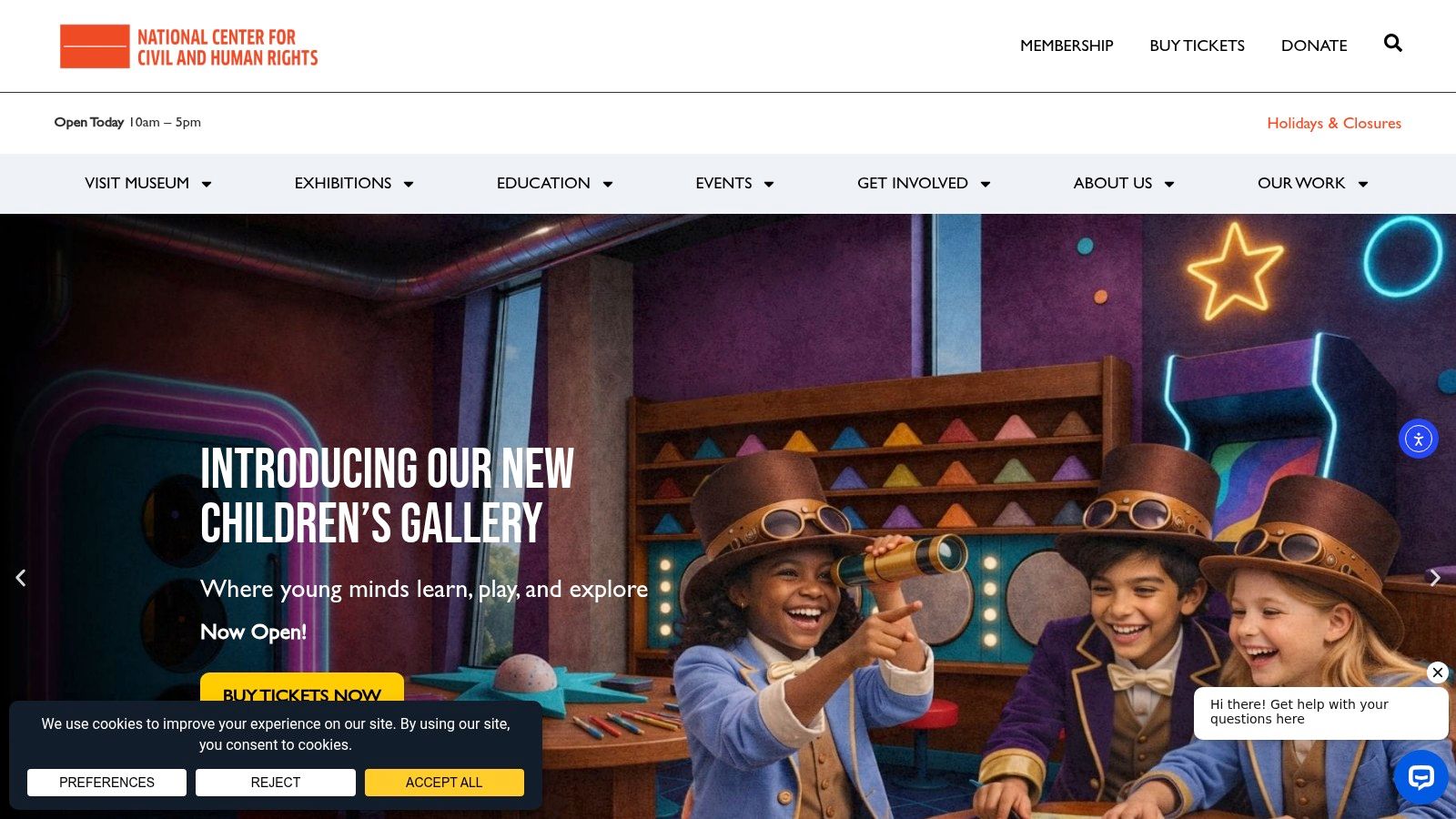
The National Center for Civil and Human Rights isn't a casual filler stop. It's one of the most purposeful museum visits in Georgia, and that's exactly why it works so well for school programs, leadership groups, and corporate teams that want a shared experience with substance.
This museum connects the U.S. Civil Rights Movement to broader human rights issues through immersive exhibits rather than passive display cases. That difference matters. People don't just walk through and glance at objects. They engage, reflect, and usually leave discussing what they saw.
Strong choice for focused group impact
If your group needs a visit with clear educational value, this is one of the best picks in the state. The signature experiences, including the Lunch Counter Sit-In simulation and the MLK papers gallery, give organizers something more structured than a general museum stroll.
Visit length is another advantage. This is often manageable as a focused museum block rather than an all-day commitment, which helps when you're fitting it into conference schedules, student travel itineraries, or company offsite programming.
This is the museum to pick when you want people talking afterward, not just taking photos.
Downtown location is also a plus. It's close to other major attractions, which makes it easier to combine with a broader Atlanta itinerary. The trade-off is transportation complexity. Downtown is workable, but it requires sharper coordination than a campus-style museum with its own dedicated lot.
Logistics to watch before you book
Planners need to be realistic. Timed entry is worth using, especially on busy weekends or during school travel periods. A museum with emotional, immersive galleries loses impact if your group starts the day stressed, late, or split up.
Keep these points in mind:
- Best for adult teams and older students: The content rewards attention and discussion. It isn't the easiest fit for very young children who need more active movement.
- Transit and parking require planning: There are nearby parking options and transit access, but no on-site bus parking, so school and charter groups need a staging plan.
- Use it for a defined purpose: This museum shines when paired with leadership, civics, history, or DEI programming. It is less effective as a generic entertainment stop.
For groups interested in a broader heritage itinerary, historic places in Georgia for history lovers from Montclair Crew is a useful companion resource. That's especially true if you're building a multi-stop trip around civil rights, state history, and Atlanta landmarks.
The main trade-off is emotional weight. That's a strength, but it also means this isn't the museum to choose if your team just wants a light social outing. Choose it when the group is ready to engage.
3. Fernbank Museum of Natural History
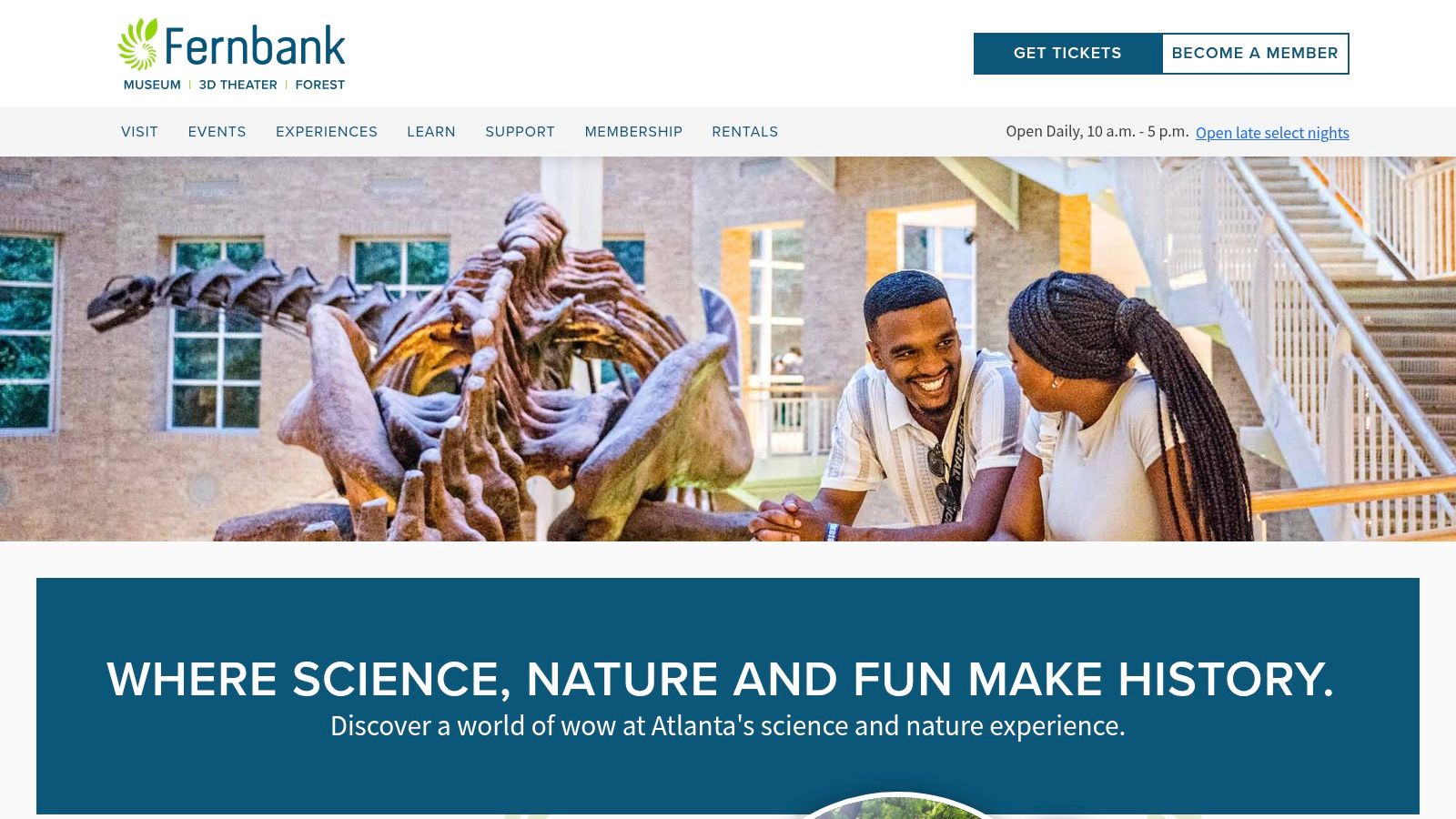
The Fernbank Museum of Natural History is one of the easiest wins for families and school groups because the visit doesn't depend on one kind of attention span. You get indoor exhibits, a giant-screen film, and outdoor space in the same trip. That's a practical advantage, not a minor perk.
Some museums are great until kids get restless or adults want fresh air. Fernbank handles that problem better than most. It's one of the strongest museum picks in Georgia when you need flexibility built into the day.
Why Fernbank works for broad audiences
The museum bundles together natural history exhibits, outdoor experiences, and a giant-screen film with daytime admission. That structure gives planners room to recover if one part of the day runs long or a group loses focus.
The outdoor side matters a lot. The trails, WildWoods, and Fernbank Forest make this a better choice than many purely indoor museums for spring and fall visits. It also helps adults feel like they're getting a fuller outing rather than escorting kids through galleries.
If you're trying to plan for families with a wide age spread, Fernbank is hard to beat. Younger kids can latch onto dinosaurs and hands-on moments, while older children and adults usually appreciate the science content and the outdoor component.
The real trade-offs
Free parking is a major practical plus. It removes one of the usual Atlanta museum headaches. That said, weekends can still get crowded, and late arrivals make the day feel more rushed than it should.
Check the museum site before you go because some spaces can be unavailable during updates or renovations. That's not unusual, but it matters more here because part of Fernbank's value is the variety of experiences in one ticket. If one part of the stack is offline, the day may feel less balanced.
On-the-ground advice: Arrive early enough to choose your film timing first, then build the rest of the visit around it. Doing it in reverse often creates dead time or missed opportunities.
A few practical takeaways:
- Best for school trips: Strong STEM and STEAM fit, with enough variety to keep students moving.
- Best for families: One of the safer all-ages bets in metro Atlanta.
- Less ideal for formal corporate events: It can work for casual team outings, but it isn't as polished for client entertainment as the High.
If you're traveling with children and want to compare the museum against other family stops, kid-friendly attractions in Georgia from Montclair Crew helps place Fernbank in the broader planning mix.
Fernbank is also a good reminder that Georgia's museum scene isn't limited to big-name downtown institutions. The state has more depth than the typical top-ten lists suggest. In fact, WhichMuseum highlights 29 unusual museums across Georgia, which helps explain why planners can often find a better fit by looking beyond the obvious mainstream options.
4. Atlanta History Center
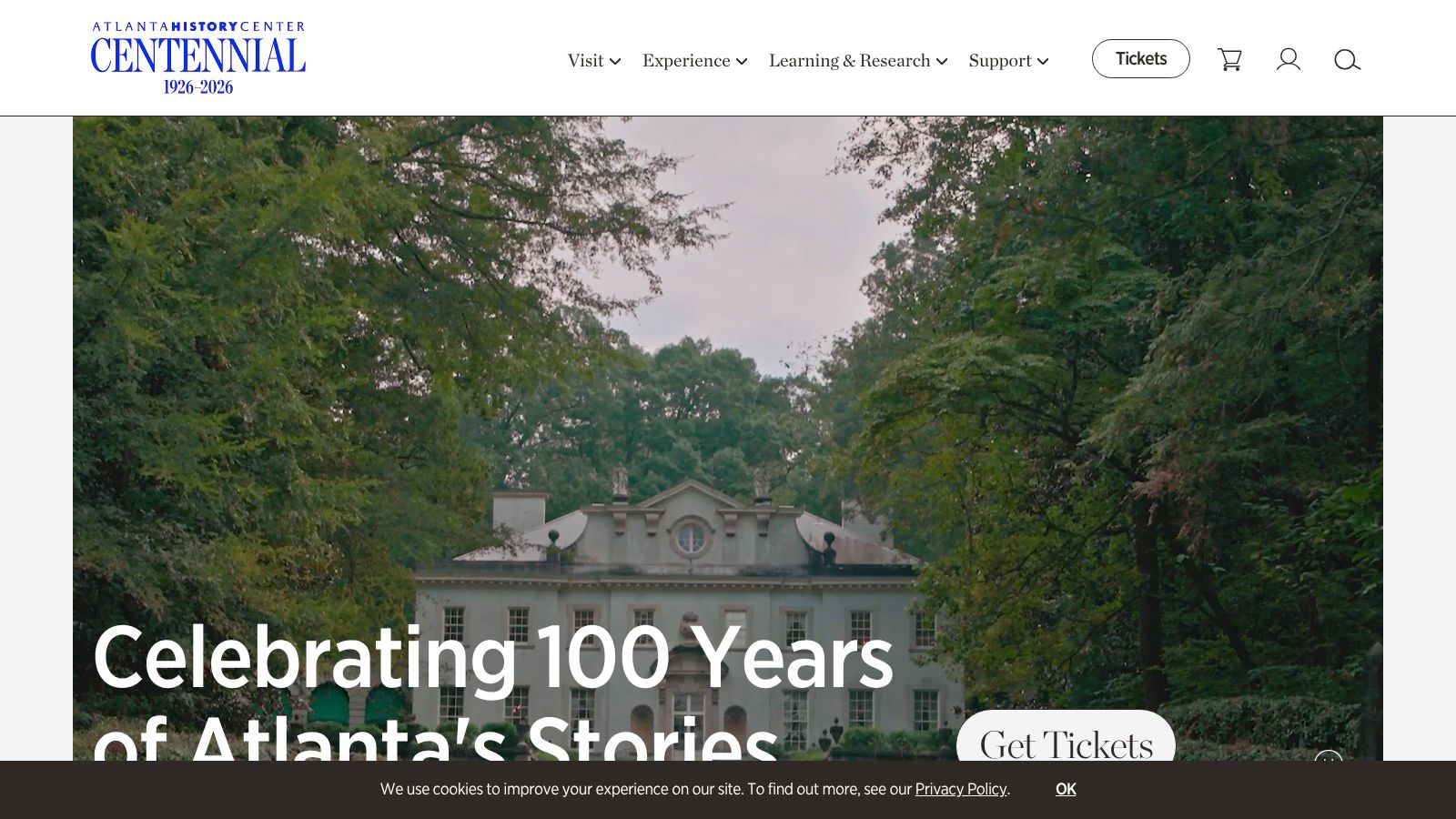
The Atlanta History Center is the museum campus to choose when you want room to spread out. That's the simplest way to think about it. If your group hates feeling boxed into a single building and wants a full day with indoor and outdoor variety, this place delivers.
The campus includes major exhibitions, historic houses, gardens, and a children's experience. That mix gives it a wider planning range than many single-purpose museums. It works for local families, history-focused visitors, multi-generational groups, and teams that want an outing with more breathing room.
Best for full-day visits
This isn't the museum for a quick stop unless you're intentionally limiting your scope. The campus is large enough that planners need to decide in advance what matters most. Some groups come for the Cyclorama. Others want the Swan House and gardens. Families may prioritize the children's space first.
Free on-site parking is one of its strongest practical advantages. That alone puts it ahead of several Atlanta museums for school groups, suburban families, and visitors who don't want to deal with downtown parking logistics.
Use it when your group benefits from choice. Some people can linger in exhibitions while others prefer house museums, garden paths, or kid-centered spaces. That flexibility helps mixed groups stay happier longer.
How to avoid a scattered visit
The main planning mistake here is trying to do everything without a route. This is one of those places where a loose plan feels responsible but instead wastes time. Historic houses may open later than museum galleries, and the large campus can add more walking than some visitors expect.
Pick two anchor experiences before arrival. If you treat the whole campus like a single indoor museum, you'll spend too much time crossing it and not enough time enjoying it.
A workable approach usually looks like this:
- For families: Start with the children's experience, then move to one major exhibition and one outdoor area.
- For adults or corporate groups: Lead with the Cyclorama or signature exhibitions, then add the Swan House or gardens depending on energy and weather.
- For school groups: Narrow the day around a curriculum thread, not a campus map.
The center is especially good for visitors who want Georgia history in a format that feels more immersive than a standard gallery-only museum. The downside is that you need decent stamina and decent pacing. If your group includes visitors with limited mobility or very young kids, build in extra time and keep your priorities tight.
Among the Top Museums to Visit in Georgia, this is one of the strongest "make a day of it" options. It rewards planning more than spontaneity.
5. Tellus Science Museum

The Tellus Science Museum is one of the best museum choices in Georgia if you're coming from the north metro suburbs or planning a drive-based day trip. It doesn't rely on Atlanta convenience. It wins on access, value, and a format that works especially well for kids who like science, fossils, minerals, and anything they can point at immediately.
Located in Cartersville, Tellus is easy to reach by highway and much easier to park at than city museums. That's not glamorous, but for families and school leaders, easy parking and simple arrival matter.
A smart pick for STEM-heavy outings
Tellus works because it stays focused without feeling narrow. Permanent galleries cover dinosaurs, minerals, transportation, and hands-on science, and the planetarium and observatory programming give the visit a stronger event feel than a standard science museum walk-through.
For school groups, this is one of the cleaner STEM field trip options in the state. For families, it has enough variety to keep siblings interested even if one child is there mainly for fossils and another wants space or machines.
The museum is also open daily with ample free parking, which makes scheduling easier than venues with tighter operating patterns. If your group wants a museum day without urban friction, this is a strong candidate.
Where it fits better than Atlanta museums
Tellus beats many Atlanta museums on simplicity. You get in, park easily, orient quickly, and spend the day focused on the museum instead of logistics. That's the big win.
Its limitation is location. If you're based in intown Atlanta and hoping to avoid highway time, this isn't the low-effort option. It's also less transit-friendly, so organizers need to assume a car or bus-based plan from the start.
- Best for suburban families: Easier than heading into the city, especially for weekend museum trips.
- Best for science-minded school groups: The galleries and planetarium make the educational purpose obvious.
- Less ideal for mixed adult social groups: It's more family and school oriented than polished or atmospheric.
If you want to make the drive count, day trips from Atlanta recommended by Montclair Crew can help you frame Tellus as part of a bigger North Georgia or Cartersville outing.
Tellus is a practical museum. That's the right compliment. It may not be the flashiest choice on a statewide list, but it often produces a smoother day than bigger names.
6. Booth Western Art Museum
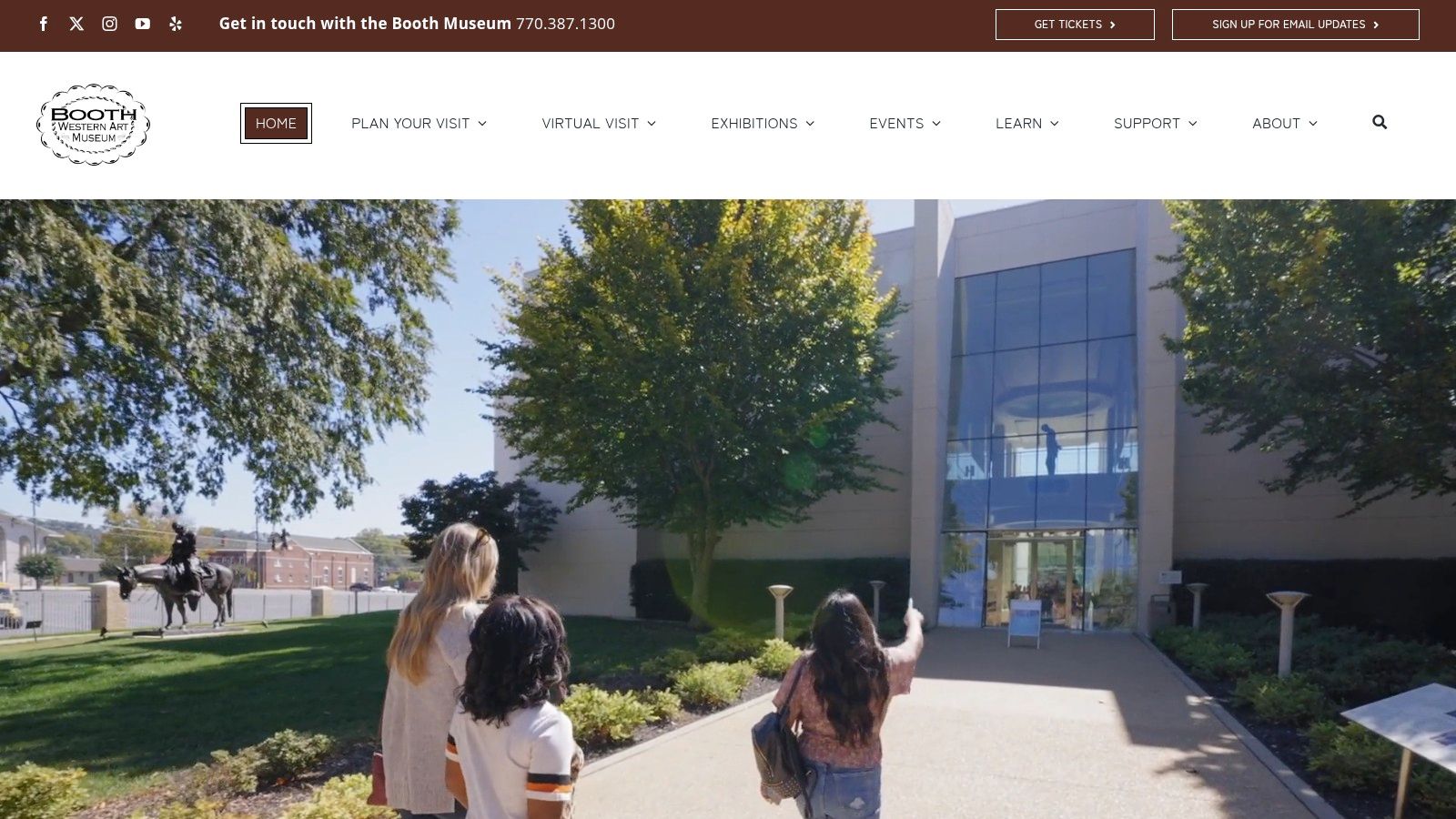
The Booth Western Art Museum is the museum for groups that want something distinctive. If you've already done the standard Atlanta circuit or you need a museum that feels different from typical Southeastern art institutions, Booth stands out fast.
Its Western art focus is specific, and that's both the selling point and the limit. People who want broad survey art may prefer the High. People who like strong curation around a clear theme often end up pleasantly surprised here.
Best when you want a museum with personality
Booth isn't trying to be everything. It leans into Western and American heritage material across a large, multi-floor museum, with a mix of permanent and rotating exhibits. That gives the visit an identity many broader museums don't have.
For families, the Sagebrush Ranch kids' area helps. For adults, docent-led highlights tours can sharpen the experience and keep a niche subject from feeling too specialized. If you're organizing a multigenerational day trip, that's useful because not everyone arrives with prior interest in Western art.
It also pairs well with Tellus if your group wants a Cartersville museum day with contrasting experiences. One is science-forward. The other is art and cultural history. That pairing can make the drive feel more worthwhile.
Practical trade-offs before you commit
Free parking is a plus, and the on-site café helps with pacing. That said, operating schedule matters here more than at some other museums. Booth is closed on Mondays and has limited Sunday hours, so casual planners can get tripped up if they assume a standard daily rhythm.
Booth is strongest when the theme is the reason you're going, not when you're looking for a default museum.
Keep these planning notes in mind:
- Best for niche-interest groups: Great for art lovers, heritage travelers, and repeat museum-goers who want something less expected.
- Good for families who need structure: The kids' area and tours help balance the specialized content.
- Not the broadest crowd-pleaser: If your group wants contemporary art, blockbuster exhibitions, or a wide global survey, choose differently.
This is one of Georgia's more rewarding museums for visitors willing to get a bit outside the obvious list. It feels more intentional than trendy, and that's part of its appeal.
7. Telfair Museums
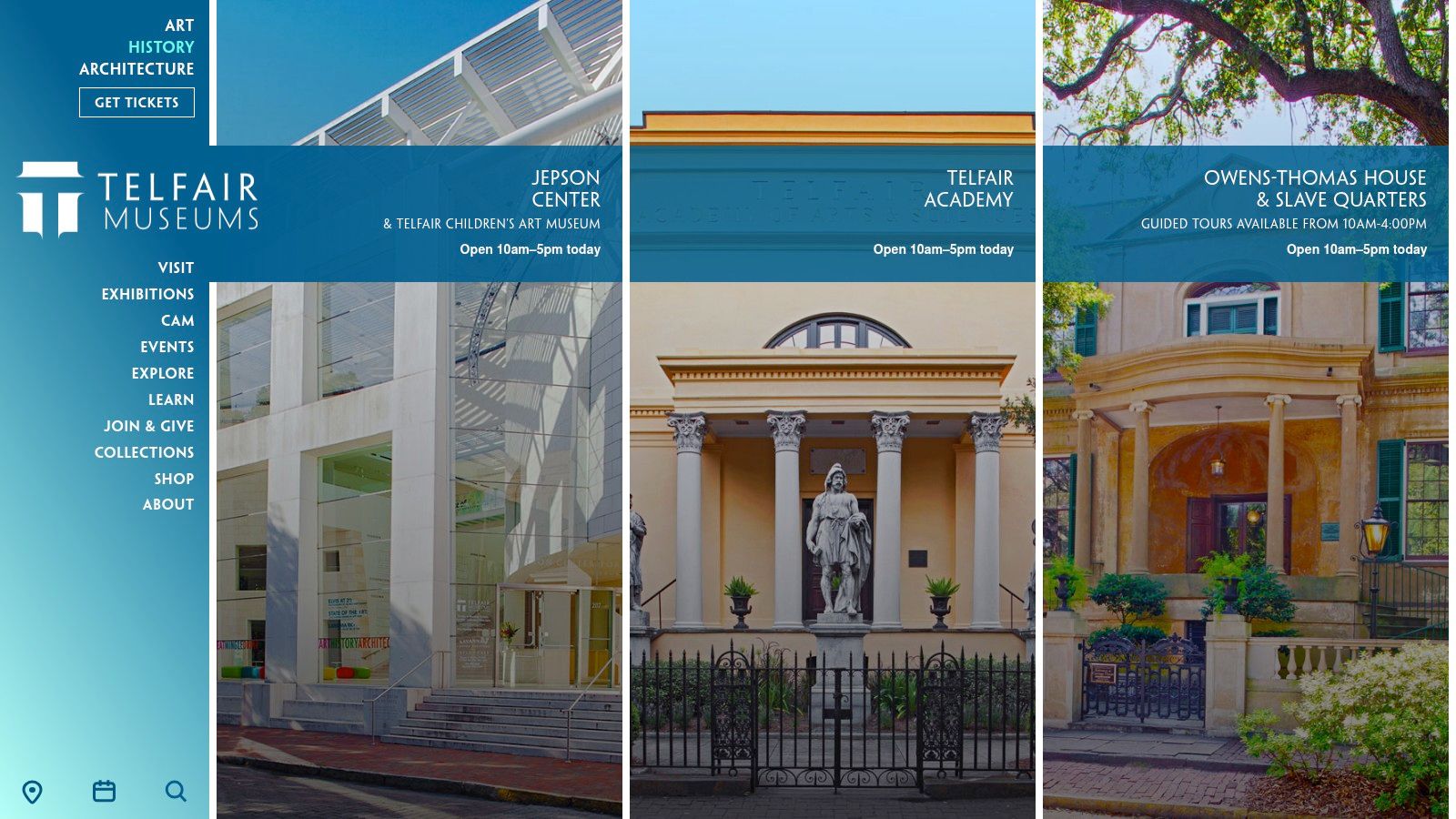
The Telfair Museums are the strongest museum choice in Savannah for visitors who want one ticket to do more than one thing. Instead of a single building, you get a three-site model that includes the Jepson Center, the Telfair Academy, and the Owens-Thomas House & Slave Quarters.
That setup is excellent for planners who don't want to cram everything into one afternoon. It also works well for business travelers or vacationers who have bits of open time across several days instead of one long museum block.
Why the multi-site format helps some groups and hurts others
The biggest advantage is flexibility. One ticket covers all three sites over a week, which makes Telfair unusually forgiving for visitors with changing schedules. If weather shifts, meetings run long, or kids run out of patience, you can stagger the experience.
The content mix is also better than many people expect. The Jepson Center gives you contemporary material and a Children's Art Museum. The Telfair Academy brings historic art and period rooms. The Owens-Thomas House adds guided, social-history-rich interpretation.
That variety makes Telfair one of the more balanced museum experiences in coastal Georgia. It's especially strong for adults who want both art and history, without choosing only one lane.
The planning catch
This is not a one-door, one-stop museum visit. The sites are walkable within Savannah's Historic District, but the multi-site format means more movement, more timing decisions, and more chances for a group to slow down.
Owens-Thomas House requires timed tours, so planners need to check in early and build around that fixed point. Families with strollers, older visitors, or anyone sensitive to heat should be realistic about the walking involved, especially in warmer months.
- Best for extended Savannah stays: The week-long ticket window is useful if you're in town more than a day.
- Best for art-and-history travelers: Few Georgia museum experiences combine the two this neatly.
- Less ideal for rushed itineraries: If you only have a tight window, you may end up seeing one site well and skimming the others.
For visitors building out a full Savannah plan, things to do in Savannah for visitors from Montclair Crew can help connect the museum sites with dining, walking routes, and other historic district stops.
Telfair rewards visitors who like layered itineraries. If your group prefers a single parking lot and a simple entry-exit rhythm, pick somewhere else.
Top 7 Georgia Museums: Quick Comparison
| Museum | 🔄 Planning Complexity | ⚡ Resource Needs (Cost & Access) | ⭐ Expected Outcomes / 📊 Impact | 💡 Ideal Use Cases | Key Advantages |
|---|---|---|---|---|---|
| High Museum of Art | Moderate, timed-entry for major shows; Midtown access | Variable admission by exhibit; paid onsite parking; transit nearby | ⭐⭐⭐⭐, high-quality curation and rotating major exhibitions | Employee outings, client entertainment, family visits | Broad permanent collection across departments; strong programming and rental spaces |
| National Center for Civil and Human Rights | Low–Moderate, timed tickets recommended; no on-site bus parking | Dynamic pricing (Plan & Save); downtown with parking/transit options | ⭐⭐⭐⭐, immersive, reflective learning in 90–120 minutes | Corporate DEI, leadership development, school groups | Interactive signature experiences (Lunch Counter sit‑in, MLK papers) with clear learning outcomes |
| Fernbank Museum of Natural History | Low, outdoor trails and film included; check for periodic closures | Value-packed bundles (museum + film + trails); free parking | ⭐⭐⭐, strong STEM engagement and outdoor exploration | STEM/STEAM field trips, family days, adult evening events | Large outdoor forest, giant-screen theater, bundled admission value |
| Atlanta History Center | Moderate–High, expansive 33‑acre campus; historic houses on separate schedules | Free onsite parking; slightly higher weekend pricing | ⭐⭐⭐⭐, full-day immersive local history and cultural programming | Full-day team outings, families, history enthusiasts | Cyclorama and Olympic exhibits, historic homes, extensive gardens and event options |
| Tellus Science Museum | Low, straightforward highway access; planetarium schedules | Strong value pricing; free parking; requires car (limited transit) | ⭐⭐⭐, hands-on STEM exhibits, planetarium/observatory programs | STEM field trips, family visits, day trips from Atlanta | Dinosaur and mineral galleries, Bentley Planetarium, Smithsonian affiliation |
| Booth Western Art Museum | Low–Moderate, closed Mondays; limited Sunday hours | Free parking, onsite café, visitor amenities | ⭐⭐⭐, focused, well-curated Western art collection | Niche art audiences, family visits, combined day trips with Tellus | Largest Western art collection in the region, docent tours, family programs |
| Telfair Museums | Moderate, three-site visits across Savannah; timed tours at Owens‑Thomas | Week-long multi-site ticketing; walkable Historic District locations | ⭐⭐⭐, diverse mix of contemporary, historic, and social-history experiences | Extended visits, cultural tourism, business travel with extra time | Three-site access over seven days, mix of contemporary art and historic house interpretation |
Planning Your Visit & Supporting Local Institutions
Georgia's museum scene is broader than often perceived. The well-known Atlanta institutions deserve their reputation, but they aren't automatically the right answer for every family, school, or business group. The best museum visit usually comes down to fit. Fit with your schedule, fit with your transportation plan, fit with your group's energy level, and fit with what you want people to remember afterward.
If you want the safest all-around urban art pick, go with the High Museum of Art. If your group needs a meaningful and discussion-driven experience, the National Center for Civil and Human Rights is one of the strongest choices in the state. For flexible family planning, Fernbank is hard to beat. For a full-day history campus, Atlanta History Center does more than most visitors expect. If easy parking and STEM value matter most, Tellus is a smart call. Booth gives you a niche museum with real character. Telfair is the strongest option when a Savannah visit gives you time to spread the experience across multiple sites.
The practical side matters just as much as the exhibits. For group bookings, call earlier than you think you need to. Timed entry, bus staging, and school calendars can complicate what looks simple online. For accessibility, don't rely on assumptions based on photos alone. Check the museum's current visitor information, especially if your group includes wheelchair users, older adults, or children who need low-sensory pacing. For parking, decide whether you're dealing with downtown garages, a paid on-site deck, or a free lot before anyone gets in the car. That one detail changes the tone of the day more than people expect.
Choose the museum that reduces friction for your group, not the museum with the nicest brochure.
Businesses should also think a step beyond the visit itself. Many museums offer group sales, event rentals, educational programming, or community partnership opportunities that can make an outing more purposeful. A team day doesn't have to be only social. It can support leadership development, creative thinking, local engagement, or client relationship building if you choose the venue carefully.
These institutions are also part of a larger Georgia ecosystem. The state includes nationally recognized attractions, unusual specialty museums, and high-profile cultural anchors. The World of Coca-Cola in Atlanta ranks as the No. 4 best pop culture museum in the United States, according to WSB-TV's report on Georgia museums. Its visibility reinforces a broader point. Georgia attracts museum visitors at many levels, from mainstream tourism to specialized cultural travel.
Supporting museums matters for the same reason responsible operational planning matters in any organization. Good institutions preserve value over time. Museums preserve history, art, science, and civic memory. Responsible businesses protect their own long-term value by handling equipment, data, and environmental obligations carefully when systems age out. In both cases, the principle is the same. Stewardship matters.
Use this guide as a working planning tool, not just a travel wishlist. Match the museum to the people, confirm the logistics, and build a day that runs smoothly from arrival to departure. That's how Georgia's best museum visits work.
If your school, office, healthcare practice, or business is upgrading technology while planning community programs or group outings in Metro Atlanta, Montclair Crew Recycling can help on the operations side. Montclair Crew handles B2B IT equipment disposal, electronics recycling, asset pickup, data destruction, and compliant disposition for organizations across the Atlanta area, making it easier to clear storage rooms, retire aging devices, and keep reusable equipment out of landfills.
