

Planning a family outing in Georgia often starts the same way. One child wants animals, another wants rides, and the adults want a day that doesn’t turn into a mess of sold-out tickets, expensive parking surprises, and overtired meltdowns by lunch. If you’ve opened ten tabs already and still feel like you’re piecing together half-answers, you’re in the right place.
This guide narrows the field to the attractions that consistently work for families, then gets practical fast. The point isn’t to give you another fluffy roundup of places you already know. The point is to help you decide where to go, when to go, how to book it, and what trade-offs you’re making before you load the stroller or buckle everyone into the car.
Some places are worth the premium if your kids can stay engaged for half a day. Others are better as short visits bundled with nearby stops. Some are ideal for toddlers. Some are much better for elementary-age kids, tweens, or mixed-age groups. And a few are only enjoyable if you respect the timing and plan around crowds.
That’s especially true in Georgia, where families often choose between dense Atlanta attraction days and longer day trips that require more upfront planning. If you’re staying downtown, you can stack multiple stops in one area. If you’re heading outside the city, the right attraction can feel calmer, easier, and more rewarding than the biggest-name option.
One useful thing to keep in mind is accessibility. A frequent gap in family attraction roundups is clear guidance for children with disabilities or special needs, even though CDC-based figures referenced by Discover Atlanta note that 1 in 6 U.S. children has a developmental disability and Georgia’s rate is 18.3%, or over 300,000 kids. That matters when you’re deciding whether a busy attraction will work for your family.
Here are the Top Kid Friendly Attractions in Georgia, with the practical logistics that make the day smoother.
1. Georgia Aquarium

You booked downtown parking, the kids are excited, and half of Atlanta had the same idea. Georgia Aquarium can still be a great family day, but it rewards families who make a few decisions before they walk in.
This is the best pick on the list for a high-impact indoor outing with broad age appeal. The trade-off is cost, crowd pressure, and a day that can feel longer than it needs to if you try to do everything. Families with toddlers often do better with a shorter, focused visit. Families with elementary-age kids usually get more value from staying longer and building the day around one or two headline exhibits and one timed program.
Why it works for families
The aquarium delivers the kind of visual payoff kids remember. Large viewing galleries, big open tanks, and hands-on elements keep the visit from turning into a slow walk past glass. That matters with mixed-age groups, where one child wants to linger and another needs a reset every 20 minutes.
It also helps that the building is easier to rework than some major attractions. If a child gets overwhelmed, needs a snack break, or wants to return to a favorite area, the day does not fall apart. That flexibility is a real advantage over attractions that force families through one long route.
For Atlanta visitors planning more than one stop, the location also fits well into a broader city itinerary. If you are mapping out a full weekend or looking at family day trips from Atlanta that actually work with kids, the aquarium is one of the easiest anchors for a central, weather-proof day.
Planning tips that save time and money
A little logistics work matters here.
- Buy tickets ahead on the Georgia Aquarium website. Advance booking gives you better control over entry time, and that matters more here than at smaller attractions.
- Treat parking as a separate line item. Families often budget for admission and forget that official parking is extra.
- Arrive early if your kids do best in calmer spaces. Late morning and early afternoon usually feel more congested, especially on weekends, holidays, and school breaks.
- Pick one timed show or special add-on. Trying to stack every extra usually creates more rushing than fun.
- Use late-day entry only if your kids still have energy late in the afternoon. Savings can look appealing, but a discounted ticket is not a bargain if everyone melts down an hour in.
Best timing and trade-offs
Georgia Aquarium is often worth the splurge. It is not always the easiest day.
The strongest strategy is simple. Show up with prebooked tickets, a rough order for your must-see areas, and a realistic finish time. For many families, two to four strong hours beats stretching the visit until everyone is tired and hungry.
The main trade-off is value versus stamina. If your children love marine life, large exhibits, and indoor attractions, this can be one of the best-paid experiences in Georgia. If they move fast, dislike crowds, or struggle with noise and waiting, the day can feel expensive unless you keep the plan tight.
For families building out a fuller weekend, it also pairs well with ideas in this Georgia weekend family attractions guide.
2. Zoo Atlanta
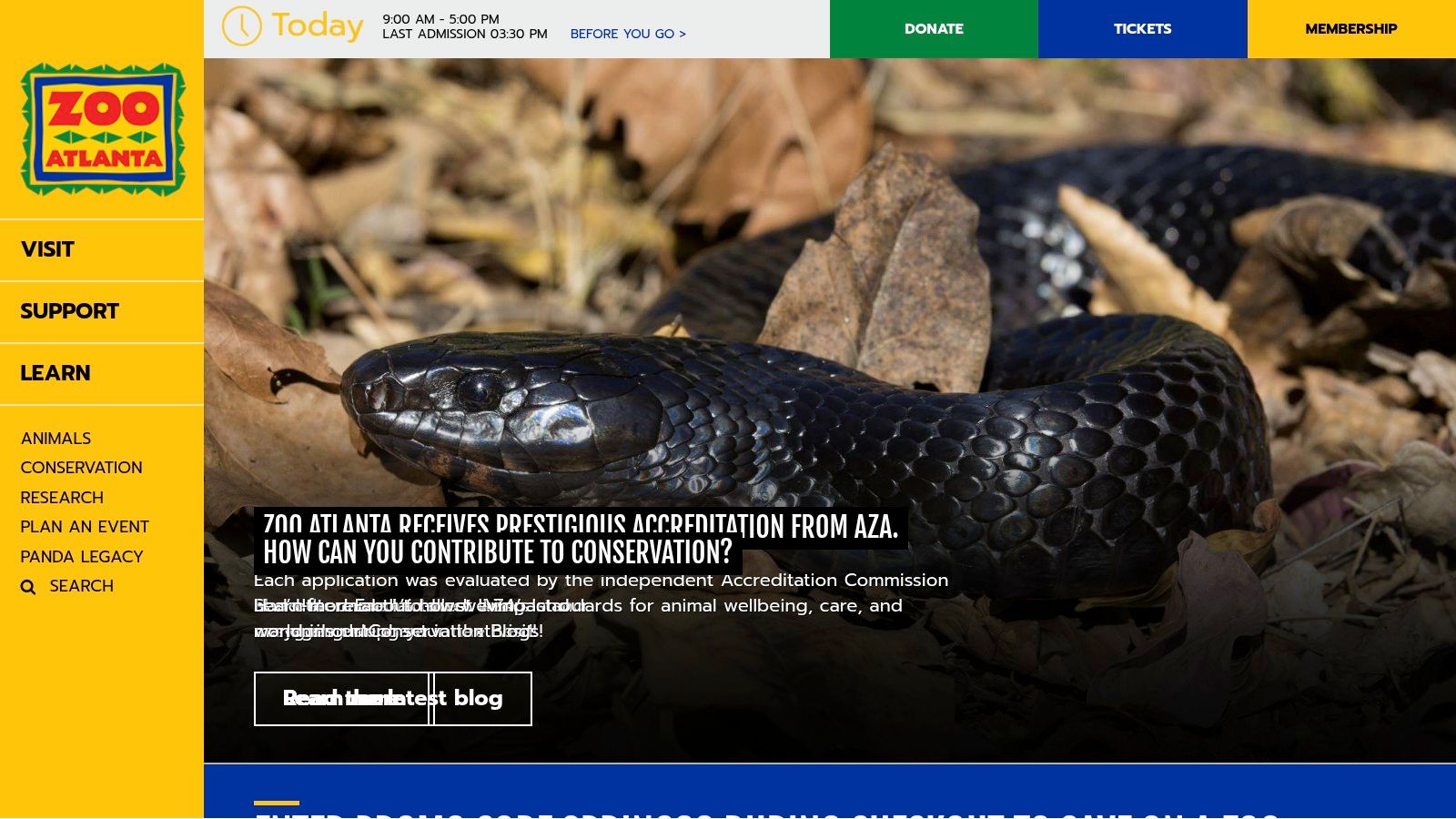
Zoo Atlanta is a better fit than the aquarium for families who want a more relaxed walking day and don’t mind being outdoors. It’s easier to pace, easier to split around snack breaks, and usually less overwhelming for kids who need more room to move.
That doesn’t mean it’s the cheaper or simpler choice by default. You still need to watch date-based pricing, and parking can sneak up on you if you haven’t looked at the details.
Where Zoo Atlanta shines
The strength here is variety without a giant footprint. You get animal exhibits, kid-focused ride options, and enough shade and open space to make the day feel manageable. For families with preschoolers through early elementary kids, that balance often works better than a full amusement park.
The zoo is also one of the better choices for mixed-age groups. Younger kids can focus on the train, carousel, and play spaces, while older siblings can spend more time with the major animal habitats and special programs.
If you’re planning a wider outing, the Grant Park location also makes this one of the easier attractions to tie into a neighborhood day instead of treating it as a stand-alone event. That’s useful if you’re building one of the best day trips from Atlanta.
Logistics that matter
The main trade-off with Zoo Atlanta is that small decisions affect cost and energy level.
- Watch dynamic pricing: Tickets vary by date, so the best move is to check the Zoo Atlanta website before you lock in a visit.
- Expect paid city parking: Parking is city-managed and paid, so factor that into your total before you assume the zoo is a lower-cost day.
- Use the layout to your advantage: This is a walkable zoo, which helps with strollers and grandparents, but it’s still worth deciding early whether you’re doing rides first or animal exhibits first.
- Reserve extras only if your kids are old enough to care: Wild Encounters can be memorable, but they’re not necessary for every family.
Go early if animals are your priority. Go later in the morning if your kids care more about the ride-and-play side of the day than seeing every exhibit.
One thing parents often get right here is keeping expectations realistic. This isn’t the kind of place where you need a hyper-optimized route from opening to close. It’s better approached as a solid half-day attraction with enough flexibility to adjust.
Best fit by age
Zoo Atlanta works especially well for families who want to avoid the intensity of a giant attraction but still want a polished, education-focused outing. It’s strong for toddlers through elementary-age kids, and it remains worthwhile for older children if their interest in animals is genuine.
The biggest downside isn’t the zoo itself. It’s paying peak-day pricing and parking for a short visit because the kids burn out earlier than expected. If your family tends to move slowly, snack often, and stop at every play feature, that’s a plus here. If you want nonstop spectacle, the aquarium or Six Flags will feel bigger.
3. Children’s Museum of Atlanta
If your kids are little, the Children’s Museum of Atlanta is one of the smartest picks in the state. Not the flashiest. Not the broadest age range. Just one of the most reliable places to have a good day with children who want to touch everything, pretend constantly, and move from station to station without being told to stop.
That focus is exactly why it works. This isn’t a museum where adults drag young kids through exhibits built for older audiences. It’s built around the way young children play.
Best for younger kids, not every age
The sweet spot here is children from infancy through early elementary age. Rotating exhibits, maker spaces, sensory areas, and water play features keep the visit active instead of passive, and daily programs are included with admission. If you’ve got a toddler and a kindergartner, this kind of setup usually goes a lot better than a “look, don’t touch” museum.
This is also one of the easier downtown attractions to bundle with another stop if your family still has energy afterward. If you’re not trying to make one ticket carry the whole day, that flexibility helps.
A lot of what makes this museum effective lines up with the kind of imaginative, open-ended learning that’s discussed in this pretend play guide from Playz. That’s especially relevant if you’re choosing between a screen-heavy attraction and one that lets younger kids lead with curiosity.
Ticketing and arrival strategy
The practical issue here isn’t complexity. It’s capacity.
- Reserve timed entry in advance: The Children’s Museum of Atlanta website strongly encourages timed-entry booking, and that’s the right move.
- Don’t count on walk-up availability: Families who try to decide on the fly can get shut out when popular time slots fill.
- Plan parking before you leave home: There’s no dedicated museum parking, so look up nearby paid decks in advance.
- Use membership perks if you have them: Reciprocal museum benefits can make this visit much more attractive if your family visits children’s museums often.
This is a place to arrive with snacks handled, bathroom stop done, and expectations clear. Once kids get inside, they won’t want to pause for logistics.
What works and what doesn’t
What works is the age targeting. If your children are in the right range, the museum feels easy because everything is calibrated to them. Programs are included, the environment is interactive, and adults spend less time saying “don’t climb that” or “keep moving.”
What doesn’t work is forcing this to be something it’s not. Families with older tweens may be underwhelmed unless younger siblings are the reason for the trip. And because it’s downtown with no dedicated lot, parking is the headache you solve before arrival, not after.
This is one of the strongest options on any Top Kid Friendly Attractions in Georgia list for families with young children, especially if you want a shorter, highly interactive outing rather than a full-day marathon.
4. Fernbank Museum of Natural History

Fernbank is one of the easiest attractions to recommend because it solves a common family problem. You want an outing with educational value, but you don’t want to be trapped indoors all day if the weather is good. Fernbank gives you both museum time and outdoor time on the same visit.
That indoor-outdoor mix changes the mood of the day. Kids can focus on exhibits, then reset outside before attention disappears.
Why Fernbank feels easier than many museums
The giant dinosaur displays do the heavy lifting upfront. They grab kids immediately, especially school-age children who like natural history, fossils, and anything oversized. After that, the museum has enough variety to keep momentum going without feeling scattered.
The Giant Screen Theater adds another layer, and the outdoor areas matter just as much. WildWoods and Fernbank Forest give families space to walk, explore, and decompress. For parents, that often means fewer complaints and fewer rushed exits.
The biggest planning advantage
Fernbank has one logistical feature families consistently appreciate. Parking is simple.
- Free on-site parking: That removes one of the most annoying parts of an Atlanta family day.
- One ticket, multiple modes of fun: Museum galleries, theater access, and outdoor exploration all help you get more range from the visit.
- Good backup for weather shifts: If the day starts warm and ends rainy, or vice versa, you still have enough to work with indoors and out.
- Worth checking screening times early: Preferred Giant Screen showtimes can go quickly on busy days.
The official planning details are on the Fernbank Museum website, and it’s worth checking current exhibit and theater schedules before you go.
Best use of your time
Fernbank is strongest when you don’t rush it. Families who try to “do Fernbank fast” often miss the reason it stands out. The better approach is to treat it as a flexible half-day or longer outing, especially if you have elementary-age kids who are happy to alternate between exhibit halls and nature paths.
Some families need a place where kids can learn without being expected to stay still for hours. Fernbank handles that balance better than most.
One practical note for parents of very young children. They may love the dinosaurs, but the museum tends to shine brightest once kids are old enough to engage with science and nature themes beyond the first wow moment.
The main trade-off
The downside is mostly timing. Busy weekends can make the theater schedule less flexible, and occasional evening events aren’t designed for kids. But as a daytime family attraction, Fernbank is one of the best all-around choices in Georgia.
It’s especially good if you want educational value without the all-day intensity of a downtown mega-attraction. For many families, it lands in the sweet spot between “special outing” and “manageable day.”
5. Stone Mountain Park

Stone Mountain Park is the most flexible attraction on this list. It can be a low-cost outdoor day, a paid attractions day, or a full seasonal event day depending on how you approach it. That flexibility is the reason many families love it. It’s also the reason some families show up unprepared and feel disappointed.
You have to decide what kind of visit you’re having before you go.
A park first, attractions second
The strength of Stone Mountain is that it works even if you skip many of the paid add-ons. Families can spend real time on trails, playgrounds, picnic spots, and lake areas once they’re inside the park. If your kids are happiest with room to roam, that’s often enough.
The Walk-Up Trail and general outdoor spaces are especially useful for active kids who don’t want to stand in lines all day. This is one of the better places in the state to burn energy without making every minute transactional.
If your family likes nature-forward outings, it also belongs on a broader list of outdoor activities to do in Georgia year-round.
What to know before you drive in
Here, expectations matter.
- There’s a vehicle fee to enter: Even if you plan a simple park day, you’ll pay to bring the car in.
- Not everything is included: Seasonal attractions, rides, and certain shows may require separate tickets or packaged admission.
- Schedules change by season: Don’t assume the thing you saw in a social post is running the day you visit.
- Bring your own food if you want to save money: Stone Mountain is one of the easiest places on this list to make a picnic-based day work.
The current park calendar, attraction options, and ticket structures are on the Stone Mountain Park website.
Who gets the most value here
Stone Mountain works best for families who like optionality. You can keep it simple with playground time, scenic walking, and a picnic. Or you can layer in the Summit Skyride and other seasonal attractions if your kids want a more event-style day.
That said, it’s not the best fit for families who want a tightly packaged experience with everything included and clearly paced for them. You do a little more self-directing here.
Worth knowing: This park rewards planners. Check the calendar, decide your must-dos, then ignore the rest.
The real trade-off
The upside is budget control. The downside is inconsistency from season to season. If you arrive assuming every attraction, show, or family feature will be running at full strength, you may leave feeling like you paid entry just to discover your top pick wasn’t on the schedule.
Handled right, though, Stone Mountain Park is one of the most versatile options in the Top Kid Friendly Attractions in Georgia lineup, especially for families who prefer fresh air over indoor crowds.
6. Six Flags Over Georgia

Six Flags Over Georgia is not an “easy” family day. It’s a commitment. But if your kids are school-age or older and want rides, not just a few side attractions attached to a broader outing, this is the place that gives them the scale they’re expecting.
The park offers more than 45 rides and attractions, plus seasonal Hurricane Harbor water features, according to the Six Flags Over Georgia website. That breadth is the main reason to go. There are enough options for younger children, but this park really starts to pay off once your family includes kids tall enough and brave enough to care about the bigger ride lineup.
Where the value is, and where it slips
Six Flags can be a good value if you visit more than once or catch a strong promotion. It can also turn into one of the pricier family outings on this list if you buy late, pick a peak day, add parking upgrades, and then spend the whole afternoon in lines.
That’s the core trade-off. The attraction itself is broad enough for a full day. The friction comes from demand and add-ons.
- Check the operating calendar first: This isn’t a park you assume is running on the same schedule year-round.
- Expect date-based pricing: Ticket rates vary, so compare days before you commit.
- Remember it’s card-only in the park: That includes parking toll booths, which matters more than people think if someone in the car expects to pay cash.
- Use add-ons selectively: Speedy Parking or similar upgrades only make sense if they solve a real pain point for your family.
Best strategy for families
The best Six Flags days usually come from choosing your lane. If you’re going for coasters and major rides, focus there and accept that the day will be intense. If you’re going with younger kids, map a simpler route and don’t chase every headline attraction.
This also helps with food, rest, and patience. Theme parks become much harder when families keep pivoting between thrill-seekers and younger siblings without a clear plan.
For families who like to pair amusement parks with longer outdoor getaways, this can also fit into a bigger Georgia itinerary that includes ideas like these Georgia state park camping spots. And if you like comparing theme park prep styles, this Paultons Park planning guide is a useful outside reference for thinking about ticket timing and family pacing.
What doesn’t work
What doesn’t work is treating Six Flags like a casual drop-in attraction. It’s too large, too variable by date and season, and too dependent on line conditions for that. If your kids are small, crowds are heavy, and the weather is rough, this can be a draining day quickly.
For the right family, though, it’s one of the most exciting attractions in Georgia. You just have to plan for the practicalities of a big regional theme park, not the idealized version.
7. Tellus Science Museum

Tellus Science Museum is the sleeper hit on this list. Families who make the drive to Cartersville often come back saying the same thing. It was easier, calmer, and more worthwhile than expected.
That’s because Tellus doesn’t rely on hype. It delivers a strong science museum experience with enough hands-on features to keep kids engaged and enough breathing room to keep adults sane.
Why families like Tellus
The mix is strong. Large mineral and fossil halls give the museum real substance, the automobiles gallery adds variety, and kid-focused activities like Fossil Dig and Gem Panning make the day more interactive. That gives Tellus a broader age range than many smaller museums.
The museum is also ADA-friendly, and its practical setup makes it appealing for families who don’t want a downtown logistics battle. According to the Tellus Science Museum website, it’s open daily from 10 a.m. to 5 p.m., which makes planning straightforward.
The key trade-off is the drive
For central Atlanta families, this is not a pop-in stop. You should treat it as a half-day or full-day outing. But that drive is also what helps Tellus feel less crowded and less frantic than many in-city attractions.
That’s a major plus for families with kids who do better in quieter spaces or who lose interest when every exhibit has a line around it. Earlier discussion of Georgia family attractions has noted that some parents rate accessibility and calmer experiences more highly at places like Tellus than at more crowded headline attractions, which tracks with how many families use it.
If your kids like rocks, fossils, space, or cars, Tellus tends to overdeliver.
How to plan the visit well
- Budget extra time for the road: This works best when you’re not watching the clock all day.
- Check planetarium times separately: Planetarium admission requires its own ticket and runs on set showtimes.
- Let kids choose one hands-on priority first: Fossil Dig and Gem Panning are easy wins when attention is freshest.
- Use it as a true day trip: Rushing in and out defeats the advantage of going.
If you’re looking for ideas to build around the drive, Tellus fits naturally into some of the best road trips across Georgia.
Best family fit
Tellus is especially strong for elementary through middle-school ages. It gives them enough real content to feel substantial without becoming too academic. Younger children can still enjoy parts of it, but this is one of the places where older kids often get more from the visit.
For families who are tired of crowded Atlanta attraction days, Tellus is one of the smartest alternatives in any Top Kid Friendly Attractions in Georgia roundup.
Top 7 Kid-Friendly Attractions in Georgia, Comparison
| Attraction | 🔄 Complexity | ⚡ Resource requirements | ⭐ Expected outcomes | 📊 Ideal use cases | 💡 Tips |
|---|---|---|---|---|---|
| Georgia Aquarium | Moderate, multiple galleries, timed presentations and ticket options | Higher cost; 2–4+ hour visit; paid parking | Excellent, world‑class marine exhibits and close animal encounters | Family day trip focused on marine life; broad ages | Buy advance timed tickets, reserve presentation seats, consider combo/Aqua Pass |
| Zoo Atlanta | Low–Moderate, walkable layout with date‑based pricing | Moderate cost; on‑site paid parking (~$3/hr) | Very good, strong animal viewing and education programs | Families seeking diverse animal exhibits and interactive encounters | Check date pricing, arrive early for popular exhibits, consider CityPASS |
| Children’s Museum of Atlanta | Low, targeted, play‑based setups with timed entry | Low–moderate cost; short visits; no dedicated parking | Excellent for 0–8, hands‑on learning and sensory play | Toddlers and preschoolers; developmental play sessions | Reserve timed tickets, use member perks, plan for limited walk‑up availability |
| Fernbank Museum of Natural History | Moderate, indoor exhibits plus outdoor trails and theater | Moderate cost; free on‑site parking; indoor+outdoor half‑day+ | High, impressive dinosaur displays and nature experiences | School‑age kids interested in science and nature; mix of exhibits and hiking | Book Giant Screen times in advance, combine indoor exhibits with forest walk |
| Stone Mountain Park | Low, park access with optional paid attractions; seasonal schedule | Low if using free areas; vehicle entry fee for parking; variable extra costs | Good, extensive outdoor recreation and seasonal entertainment | Active families wanting hiking, picnics, and seasonal shows | Bring a picnic for budget visits, check seasonal attraction schedules |
| Six Flags Over Georgia | High, many rides, seasonal operations, add‑ons and safety queues | Higher cost; full‑day commitment; parking and card‑only payments | Very high for thrills, wide ride variety for older kids/teens | Thrill seekers, families with school‑age children, full‑day outings | Buy date‑based tickets or season passes, use express add‑ons on peak days |
| Tellus Science Museum | Moderate, exhibit halls with separate planetarium schedule | Moderate cost; farther drive; easy on‑site parking | High, strong STEM education and hands‑on exhibits | School trips, STEM‑focused families, day trips outside Atlanta | Plan drive time, purchase planetarium tickets separately and check showtimes |
Making the Most of Your Georgia Family Adventure
The best family attraction in Georgia isn’t always the biggest-name one. It’s the one that matches your kids’ ages, your tolerance for crowds, your budget for extras, and the kind of day you want. That’s why planning matters more than ranking.
If your family wants a signature Atlanta experience, Georgia Aquarium is the heavy hitter. If you want a calmer animal day, Zoo Atlanta is easier to pace. If your children are little and hands-on play matters more than spectacle, the Children’s Museum of Atlanta is one of the safest bets you can make. Fernbank hits the sweet spot for science, movement, and outdoor time. Stone Mountain Park is the most flexible if you’re intentional about what you’re paying for. Six Flags wins for ride-focused families. Tellus is the dark horse for people willing to drive a bit farther for a less hectic day.
A lot of stress comes from treating all family outings the same. They’re not. Some attractions need tickets booked in advance or you’ll lose your preferred slot. Some need a parking strategy before you leave home. Some are best at opening. Others can work well as a late start if you’re trying to avoid overtired mornings with younger kids.
The easiest way to plan is to decide three things upfront. First, are you building a half-day or full-day outing? Second, are your kids more likely to be happy with animals, science, outdoor space, or rides? Third, do you want a tightly programmed experience or a place with room to improvise? Once you answer those, the right choice gets clearer fast.
It also helps to be honest about what doesn’t work for your family. If your child gets overwhelmed in dense crowds, don’t choose the busiest possible day at the biggest attraction and hope for the best. If your family burns out after a few hours, don’t pay for a massive day built around staying until close. If your kids love movement more than exhibits, choose the attraction where they can climb, roam, or ride instead of forcing a museum day because it looks good on paper.
For trips with multiple stops, group nearby attractions instead of zigzagging across metro Atlanta. That saves more energy than most parents realize. The same goes for meals. Bring snacks when allowed, eat before the heaviest rush, and don’t assume in-venue food will be fast or budget-friendly. Small logistics shape the whole day once kids get tired.
Families also do better when they leave a little slack in the schedule. One anchor attraction is usually enough. Two works if one is short and close by. Three is where many well-intentioned itineraries fall apart, especially with younger children.
If you’re traveling with school-age kids, these broader travel tips for kids ages 6-13 are a useful reminder that pace, breaks, and realistic expectations matter just as much as the destination itself.
Georgia gives families a strong mix of big-city attractions, educational museums, and outdoor destinations. That’s a real advantage because you can choose the day that fits your family instead of forcing everyone into one version of fun. Pick the place that matches your crew, book smart, check parking, watch the timing, and you’ll spend less of the day troubleshooting and more of it enjoying the outing.
If your school, business, or organization is planning family events, field trips, office cleanouts, or IT upgrades alongside community outings, Montclair Crew Recycling is a practical local partner to know. They help Metro Atlanta organizations responsibly recycle computers, laptops, servers, and other IT equipment while protecting data and keeping reusable electronics out of landfills, which is especially useful for schools and businesses that want cleaner, more sustainable operations before their next family-focused event.
