

Planning a retreat usually breaks down in the same place. The destination looks good on paper, but the drive is longer than expected, the meeting space is an afterthought, the restaurant can’t handle a group, or the town only works in one season. For Atlanta companies trying to get teams out of the office without losing a full day to travel, that matters more than the view.
North Georgia solves that better than most regions in the Southeast. You can leave Alpharetta, Roswell, Marietta, or Smyrna after a morning meeting and still get people into cabins, inns, or lakeside rentals with enough daylight left for an actual offsite agenda. That’s why the best Georgia mountain towns to visit year round aren’t just leisure picks. They’re practical operating environments for leadership retreats, sales kickoffs, planning sessions, client dinners, and remote work resets.
The other reality is that offsites rarely happen in isolation. A facilities team may be closing a branch office. IT may be pulling old laptops, monitors, servers, or telecom gear out of circulation before a move. Operations may need a location close enough to Atlanta that key staff can still get back quickly if something breaks. The right mountain town gives you a setting that feels removed from the city without creating an unnecessary logistics problem.
This guide keeps the focus where business planners need it. Accessibility. Walkability. Group-friendly dining. Retreat fit. Seasonal usefulness. And, where it matters, how easily a trip can be paired with practical back-office work such as secure equipment removal before your team heads north. If you’re looking for scenic towns that can support productive time away from the office, start here.
1. Blue Ridge The Premier Mountain Gateway
Your operations lead finishes a hardware pickup in metro Atlanta by late morning. By mid-afternoon, the leadership team is checked into a cabin near downtown Blue Ridge, laptops open, with enough time left for a working session before dinner. That is Blue Ridge’s main advantage. It gives Atlanta-area companies a mountain setting without turning travel into the whole day.
Blue Ridge is the safest pick on this list for executive retreats, client-facing offsites, and mixed groups where expectations vary. The town has enough lodging, dining, and activity options to support a structured agenda, but it still feels distinct from a standard suburban meeting venue. For planners, that lowers risk.
Why Blue Ridge works for business groups
Blue Ridge works best for teams that need a town, not just a house in the woods. Downtown is compact and usable. People can step out between sessions, grab coffee, meet a client for a casual lunch, or regroup for dinner without building transportation into every block of the schedule. That saves time and cuts down on coordination problems.
The town also gives planners more flexibility than some smaller mountain markets. A group that wants a polished dinner, a walkable downtown block, and optional free-time activities can get all three here. A group that wants to stay mostly on-site can do that too, as long as the property is chosen for meeting flow, parking, and connectivity rather than just the view.
One practical advantage stands out. Blue Ridge is easy to pair with back-office work in metro Atlanta. If IT, facilities, or operations teams need to clear retired laptops, monitors, or networking gear before an office move or refresh, they can handle that first, then head north for the retreat itself. That sequence is realistic for companies trying to combine planning time with asset disposition, office transitions, or regional team meetups.
Blue Ridge also gives you low-effort group activities that do not require everyone to be equally athletic or equally interested in outdoor programming. That matters for executive teams and cross-functional groups.
Practical rule: Choose Blue Ridge when you need broad internal buy-in and the fewest planning objections.
Trade-offs to plan around
Popularity creates friction. Downtown parking gets tight during busy weekends and peak leaf season, so separate arrivals can become messy if you do not set a clear meetup point. If the group is spread across multiple cabins, build in extra transition time.
Costs can also rise quickly in fall and around holiday periods. The best large cabins, private chefs, and well-located dinner reservations go early. Blue Ridge is a strong year-round option, but it rewards planners who book early and define the schedule before they shop for lodging. If fall color is part of the draw, this guide to the best places to see fall colors in North Georgia can help you choose side trips that fit smaller breakout groups.
A few planning choices make Blue Ridge work better:
- Favor weekday stays: Rates and availability are usually better, and the town is easier to use on a business schedule.
- Vet cabins for meeting function: Check Wi-Fi reliability, cell coverage, table space, noise between floors, and parking before you book.
- Keep optional time optional: Some groups want breweries, shops, and short excursions. Others want dinner and then back to the property.
- Use downtown strategically: One planned dinner or client-facing event there often adds more value than trying to build the full retreat around it.
Blue Ridge earns its place because it reduces execution risk. For company planners, that usually matters more than novelty.
2. Dahlonega Historic Charm Meets Modern Growth
Dahlonega works best when you want the retreat to feel grounded and social without drifting into full tourist mode. The town gives you a strong sense of place, and because it’s a relatively easy drive from metro Atlanta, it fits short offsites well.
Its historic square does a lot of the heavy lifting. Teams can walk to lunch, browse locally owned shops, and build a schedule around conversation rather than transportation. That’s useful for departments that want relationship time as much as formal sessions.
Where Dahlonega fits best
Educational organizations tend to do well here because the town’s history gives the trip built-in texture. A department retreat can pair morning planning sessions with an afternoon around the square, a museum stop, or a structured group dinner. Tech firms and professional services teams also use Dahlonega well when they want a quicker change of scene without the heavier planning load of a larger resort destination.
The wineries around the area are part of the appeal, but they shouldn’t be the entire plan. For a company outing, they work better as an optional late-afternoon activity than as the centerpiece. If the retreat has actual business objectives, hold the working sessions first and keep the social time clearly separated.
What works and what doesn’t
Weekdays are the best fit. The square feels more usable, restaurant waits are easier to manage, and your group won’t spend energy competing with leisure traffic. If your team values a lively but not chaotic atmosphere, Dahlonega hits that balance.
What doesn’t work is overpacking the schedule. The town’s charm is tied to a slower pace. If you try to turn the trip into a race between tastings, hikes, dinners, and presentations, you lose the reason to come.
A good Dahlonega retreat usually has one anchor activity, one group dinner, and enough open time for people to move at their own speed.
A practical example is a startup leadership team that rents a house outside town, holds a half-day product planning session, then heads into the square for dinner and a relaxed evening. Another is a college or school administrative group that pairs strategic discussions with local history and vineyard stops for faculty or donor engagement.
A few planning notes matter:
- Visit midweek for easier flow: The square is more pleasant when you’re not fighting weekend congestion.
- Check local calendars before locking dates: University and town events can change parking, lodging, and restaurant availability.
- Reserve group tastings early: Wineries can handle organized groups, but planners shouldn’t assume same-day flexibility.
Dahlonega is less polished than Blue Ridge, but that’s part of the advantage. It feels personal, approachable, and easy to use for shorter retreats.
3. Helen A Bavarian Village in the Appalachians
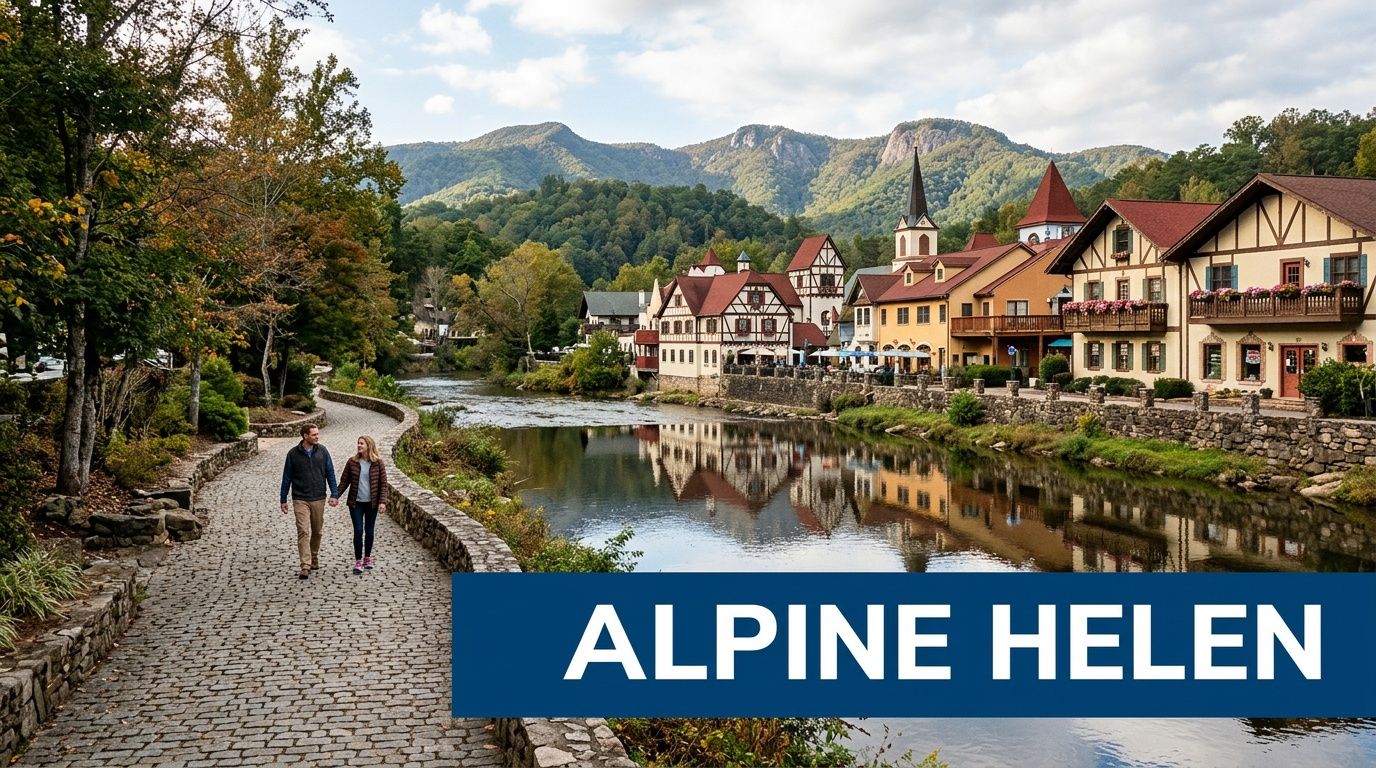
Helen is the outlier on this list. It’s themed, highly recognizable, and more playful than corporate. That can either make your retreat more memorable or make it feel like you picked style over substance. The difference comes down to the kind of team you’re bringing.
For sales teams, culture-focused groups, and companies that want morale building more than quiet reflection, Helen works. The setting loosens people up fast. There’s value in that when the goal is celebration, onboarding, or relationship repair after a hard quarter.
Best use cases for Helen
Helen is strong for annual meetings that need an easy after-hours scene. A company can book a nearby lodge or conference-friendly property, run the formal agenda during the day, then let the town handle the social energy in the evening. Teams that don’t want to manufacture “fun” often find Helen easier than a more subdued mountain town.
It also works for milestone celebrations. A sales group wrapping a strong quarter can spend one day tubing or visiting nearby outdoor spots, then move into a dinner-heavy evening without needing elaborate transport between venues.
The operational trade-off
The same distinctiveness that makes Helen memorable also makes it busier and less flexible at peak periods. If you visit during major event windows or heavy warm-weather weekends, you need reservations for almost everything that matters. Large-group dining, lodging blocks, and activity timing all tighten up.
That’s why Helen is better for planners who are comfortable making firm decisions early. It’s not ideal for loosely organized retreats where people want to improvise every step.
Use these rules to keep the trip workable:
- Choose shoulder-season dates when possible: Spring and early winter usually give you the atmosphere without the highest crowd pressure.
- Reserve restaurants before you announce the itinerary: Group meals are the first point of failure in a Helen trip.
- Split activity intensity: Let one subgroup handle tubing or hiking while another takes a lighter downtown schedule.
A practical example is a company hosting its annual offsite at a local meeting venue, then using the town’s Bavarian-style setting for themed dinners and informal networking. Another is a smaller sales team that wants something more festive than a cabin retreat but less complicated than a large resort destination.
Helen is not the best fit for every leadership retreat. If your executives want quiet, understated, and highly private, send them elsewhere. If you want a town that creates energy with almost no effort, Helen earns its place among the best Georgia mountain towns to visit year round.
4. Ellijay The Heart of Georgia's Apple Country
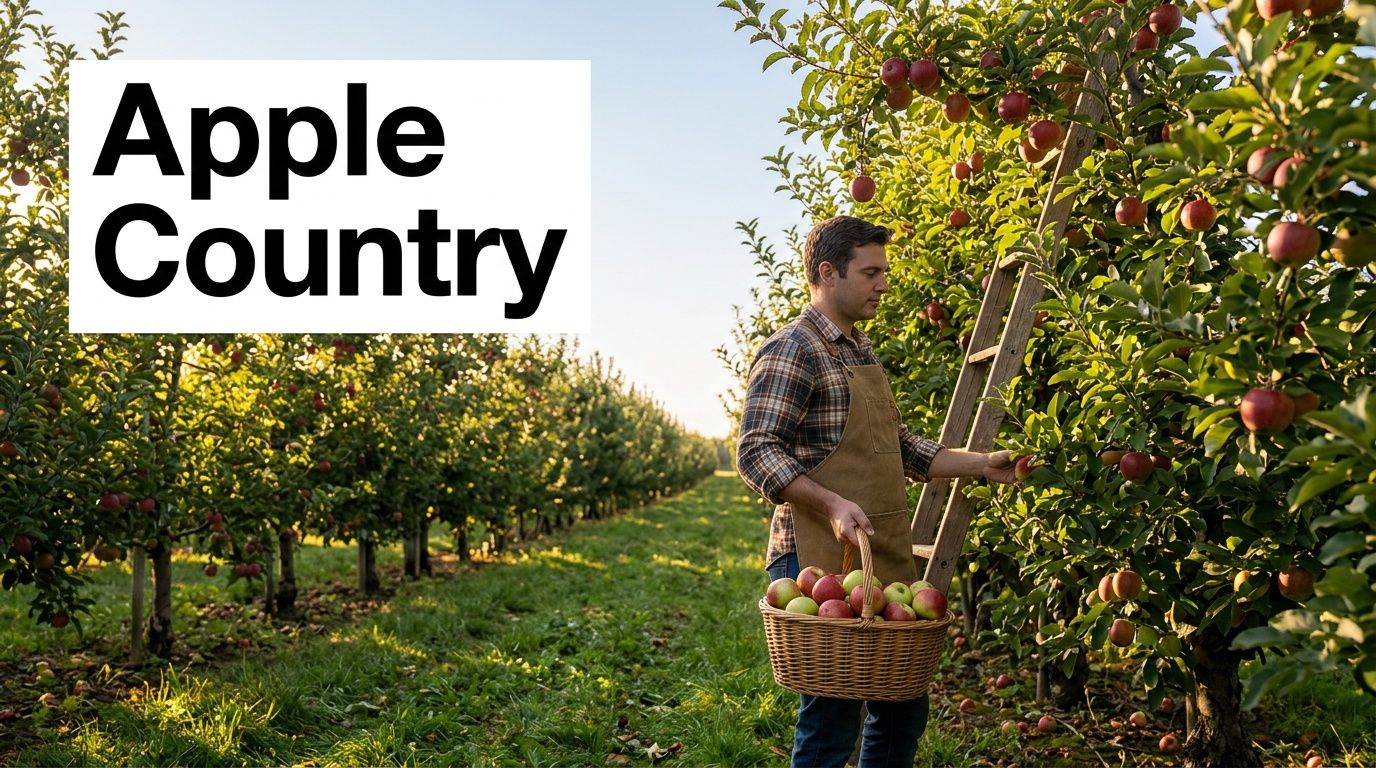
Ellijay is the practical pick for teams that prefer authenticity over polish. It feels less staged than some mountain destinations, and that makes it useful for groups that want room to think, talk, and reset without too much programmed entertainment.
The town’s identity is tied to orchards, agriculture, local makers, and a slower social rhythm. For planners, that translates into a retreat environment that can support wellness-oriented agendas, creative workshops, and brand or strategy work that benefits from getting people away from the usual office pattern.
Why some teams prefer Ellijay
Ellijay works well for smaller companies and departments that don’t need a long amenity list. If the retreat plan is cabin-based, with a mix of working sessions, simple outdoor time, and local food, this town is often enough. You’re not paying for the expectation of a polished downtown experience every hour of the day.
That’s also why marketing and creative teams often do well here. Visiting farms, local markets, orchards, and artisans can feel more relevant than another generic dinner reservation in a high-traffic tourist district.
What planners should watch
The biggest mistake is assuming Ellijay functions the same way in every season. Fall is strong, but it can also turn a quiet retreat into a traffic and crowd management exercise. If your team isn’t attending a major seasonal event on purpose, avoid peak October weekends.
The other trade-off is that Ellijay’s appeal is more dispersed. You may spend more time driving between a cabin, downtown, a winery, and an outdoor activity. That’s manageable, but only if you build the itinerary with realistic transition time.
A few tactics help:
- Use one main base: Pick a cabin or inn that can handle most of the group’s gathering time.
- Lean into local products: Orchard stops, baked goods, preserves, and farm market shopping work well as low-pressure team activities.
- Keep expectations rustic: Ellijay shines when people want relaxed, not luxury.
Some teams focus better in a town that gives them fewer distractions. Ellijay does that well.
A good use case is a marketing department retreat centered on storytelling, local sourcing, and unplugged work time. Another is a wellness-focused company outing with hiking, river time, and simple shared meals built around local ingredients.
Ellijay won’t beat Blue Ridge on service density or Helen on novelty. It doesn’t need to. It’s one of the best Georgia mountain towns to visit year round because it offers a steadier, more grounded experience that many teams use better.
5. Clayton Gateway to Outdoor Adventure
Clayton is where you send a team that wants challenge during the day and a good dinner at night. It’s one of the better choices for companies that want an outdoors-forward retreat without giving up comfortable lodging and solid food options.
The town feels like a basecamp, but not a rough one. That distinction matters. You can schedule a guided rafting trip, hiking block, or zip-line outing and still bring the group back to a polished dinner setting that works for executive conversation.
Strong fit for active teams
Clayton is especially good for executive groups that don’t want passive recreation. If your leadership team bonds more easily through shared effort than through a tasting room or train ride, this town gives you more to work with.
A common format is a morning strategy session, an afternoon outdoor challenge, and a dinner that resets the tone. That rhythm works for companies that want people engaged but not exhausted.
The town also fits adventure-themed retreats for younger teams, especially when planners want optionality. Some people can raft or hike. Others can spend more time in town and join the group later for the social portion.
Where Clayton can go wrong
Outdoor-heavy retreats depend on timing and commitment. Guides book up. Weather shifts. Remote cabins can be less forgiving if your vehicles aren’t suited to gravel roads or winter conditions. Clayton is not the right town for a group that wants everything to be spontaneous and easy.
It’s also less ideal if your team has very low tolerance for activity or mobility variation. In that case, Blue Ridge or Dahlonega usually offers a smoother middle ground.
Use this framework:
- Reserve guides and outfitters early: Capacity is limited, especially for premium time slots.
- Make dinner plans before arrival: Strong dining is part of Clayton’s value, so don’t leave it to chance.
- Assess transportation: Some trailheads and cabins are easier with higher-clearance vehicles.
If your group wants trail time, waterfall stops, or a more rugged outdoor agenda, this roundup of North Georgia mountain hiking trails is a useful planning reference.
A practical example is an executive team that starts with a focused planning session, spends the afternoon on a guided river outing, then reconvenes for a multi-course dinner where genuine relationship building takes place. Another is a company culture retreat that uses hiking and paddling as opt-in tracks instead of forcing one shared activity on everyone.
Clayton is not the easiest town on this list. It is one of the most rewarding when the group wants to move.
6. Hiawassee The Lakeside Mountain Town
Hiawassee gives planners something many mountain towns can’t. A real lake-centered retreat structure. If your group wants work sessions in the morning and low-friction recreation in the afternoon, lake access usually beats more complicated activity planning.
That’s why Hiawassee works well for summer retreats, client hospitality, and mixed groups with a wide range of energy levels. Boating, shoreline downtime, scenic drives, and nearby mountain access create enough variety without forcing a narrow itinerary.
Why the lake changes the trip
Lakes make group scheduling easier. A team can gather at a large house, hold a planning block, break for lunch, and spend the afternoon on a pontoon or at the water without loading everyone into multiple cars for separate destinations. That’s efficient, and efficient trips tend to feel more relaxed.
Hiawassee also benefits from event activity at the local fairgrounds, which can either be a bonus or something to avoid depending on the kind of retreat you’re running. That makes date selection especially important.
Best approach for company planners
This town works best when you use the property itself as part of the strategy. A lakefront rental or lodge with a deck, shared living space, and straightforward parking can carry much of the retreat. You don’t need to overbuild the town itinerary.
A realistic example is a company renting a large lake house for a two-night offsite. Day one handles work. Day two mixes lake time, a casual group meal, and an evening event. That format is especially useful for teams that need decompression more than nonstop stimulation.
For planners comparing water-based options, this guide to Georgia lakes for boating and fishing can help with activity framing.
A few practical rules apply:
- Check event schedules before booking: Fairground activity can change lodging demand and traffic patterns.
- Prioritize the house layout: Large common areas matter more than decorative upgrades.
- Use boating as optional recreation: It’s a great unifier, but not everyone wants to be on the water for hours.
The best Hiawassee retreat usually revolves around one strong property, not a packed downtown agenda.
The main trade-off is that if your team wants a dense walkable core with a lot of restaurants and shopping, Hiawassee won’t compete with Blue Ridge. But if your team wants mountain scenery with lake utility, it’s one of the most practical year-round choices in North Georgia.
7. Jasper The First Mountain Town
Jasper wins on efficiency. If the point of the trip is to get out of the office without turning the day into a travel exercise, Jasper is hard to beat. It’s the mountain-town option for companies that still need to stay operational.
That makes it particularly useful for half-day offsites, short planning sessions, manager retreats, and situations where a team wants a reset but can’t justify a longer overnight run. You get the psychological shift of heading north without needing a full retreat budget or a complicated travel plan.
Best for short-format offsites
Jasper works when speed matters more than destination prestige. A project team can leave after a morning check-in, hold lunch and strategy discussions in a new setting, add a short scenic stop or hike, and still get back to metro Atlanta at a reasonable hour.
That’s also why Jasper pairs well with operational errands. A company can complete an on-site IT asset audit, finalize decommissioning logistics, or clear out surplus equipment in the morning, then move into an afternoon offsite instead of losing the entire day.
How to use Jasper well
The mistake is expecting Jasper to behave like a more developed destination town. Its value is proximity and simplicity. Use it as a base, not a spectacle.
It’s also a good launch point for nearby drives and outdoor stops. If your team wants a little scenery without committing to a demanding itinerary, a simple route and one short excursion is enough.
For route planning, this guide to North Georgia mountain scenic drives can help you build a low-stress add-on around the meeting itself.
Keep the format tight:
- Use Jasper for one clear purpose: Strategy session, leadership lunch, project reset, or quick team recharge.
- Don’t overschedule it: One meal and one outdoor stop is usually plenty.
- Treat overnight stays as optional: Jasper can support them, but same-day use is where it really shines.
A realistic use case is a management team that wants an offsite conversation away from conference-room habits but doesn’t want to consume two business days. Another is a team leaving a Smyrna or Alpharetta site after equipment review and heading north for a practical afternoon reset.
Jasper belongs on this list because not every company retreat needs to feel big. Sometimes the most useful offsite is the one people can attend without disruption.
8. Blairsville An Authentic Appalachian Hub
Blairsville is for teams that want the mountains to feel like the mountains. It’s less curated than Blue Ridge and less performative than Helen. That makes it a strong fit for groups that value reflection, outdoor time, and a more traditional Appalachian setting.
If your retreat objective is honest conversation, reset, and distance from daily office noise, Blairsville often works better than a busier tourist town. There’s less pressure to consume the destination, which leaves more room for the actual purpose of the trip.
Where Blairsville stands out
This is a good town for nonprofits, school leadership groups, mission-driven organizations, and teams that want a budget-conscious annual retreat with real scenery. It’s also a strong base for hiking-oriented groups that want direct access to major outdoor landmarks without the extra layer of destination hype.
The square and surrounding area feel usable in a plainspoken way. You come here for access, not flash. That can be a real advantage when your group values substance over novelty.
Best planning approach
Blairsville rewards simple itineraries. Cabin or lodge lodging, one or two meaningful shared meals, and substantial outdoor time usually outperform a highly programmed schedule. Groups that need every hour filled may find it too quiet. Groups that need space usually love it.
A practical example is a nonprofit board retreat with a modest budget and a focus on strategic planning plus reflection. Another is a team of outdoor-minded staff using Blairsville as a base for trail access and low-key evenings rather than nightlife.
If waterfalls are part of the draw, this list of North Georgia waterfalls to see is a useful planning tool for side excursions.
Blairsville works best when the setting supports the conversation, not when the setting is supposed to carry the whole trip.
A few practical notes:
- Keep expectations grounded: Blairsville is authentic, not highly polished.
- Build around nature first: The town is strongest as a base for outdoor access.
- Use it for groups that want disconnection: Not every team wants breweries, shopping, and a packed evening schedule.
Among the best Georgia mountain towns to visit year round, Blairsville is the one I’d choose for a retreat that needs calm, sincerity, and a stronger sense of place than commerce.
8 Georgia Mountain Towns – Year-Round Comparison
| Destination | Travel & Logistics 🔄⚡ | Resource & Budget ⚡🔄 | Expected Outcomes ⭐📊 | Ideal Use Cases | Key Advantages & Tips 💡 |
|---|---|---|---|---|---|
| Blue Ridge: The Premier Mountain Gateway | 90 min from Atlanta; reliable road access (GA‑515); October traffic can complicate plans. 🔄 | Higher-cost lodging and services; wide range of luxury-to-boutique options; book ~6 months for fall. ⚡ | ⭐ High-quality, polished retreats with predictable logistics and strong attendee satisfaction. 📊 | Corporate leadership offsites, executive retreats, high-service events. | 💡 Vibrant downtown & scenic railway; hold events on weekdays and use public lots for parking. |
| Dahlonega: Historic Charm Meets Modern Growth | 60 min (shortest drive); easy access but major festivals cause crowding. 🔄⚡ | Moderate budget; university meeting spaces available; active events calendar. ⚡ | ⭐ Engaging, culturally rich retreats with strong local programming. 📊 | Educational retreats, tech startup getaways, short immersive trips. | 💡 Wine-country activities; avoid Gold Rush Days and prefer weekdays. |
| Helen: A Bavarian Village in the Appalachians | ~75 min; walkable downtown but Oktoberfest/summer weekends create heavy congestion. 🔄 | Mid-to-high seasonal pricing; strong tourism infrastructure and conference facilities. ⚡ | ⭐ Memorable, themed events that boost morale and offer unique photo‑ops. 📊 | Celebratory team events, annual meetings, tourism-focused incentives. | 💡 Distinctive Bavarian ambience; book early and visit mid-week or shoulder seasons. |
| Ellijay: The Heart of Georgia's Apple Country | ~75 min; small-town roads but heavy October festival traffic at peak. 🔄 | Generally more affordable; fewer upscale lodging choices; strong agritourism partnerships. ⚡ | ⭐ Authentic, rustic retreats focused on hands-on activities and local sourcing. 📊 | Branding workshops, wellness retreats, agritourism team-building. | 💡 Apple orchards & U‑pick experiences; avoid Apple Festival weekends for smoother logistics. |
| Clayton: Gateway to Outdoor Adventure | ~90 min; winding mountain roads to trailheads; less commercial congestion. 🔄 | Varied budget (cabins to upscale); adventure guides and high-demand restaurants require advance booking. ⚡ | ⭐ High-impact, adventure-driven bonding with strong culinary rewards. 📊 | Adventure retreats (rafting, hiking), incentive trips with gourmet dining. | 💡 Exceptional outdoors + standout restaurants; reserve guides and dinner well ahead. |
| Hiawassee: The Lakeside Mountain Town | ~120 min; longer drive and spread-out venues, cars required for most moves. 🔄 | Generally affordable; fairgrounds support large events; lakefront rentals available. ⚡ | ⭐ Diverse lake + mountain experiences producing relaxed, scenic retreats. 📊 | Summer lake retreats, festival attendance, multi-activity team trips. | 💡 Rent a pontoon and check fairgrounds schedule to coordinate events or avoid crowds. |
| Jasper: The First Mountain Town | ~55 min (fastest); easiest logistics for quick offsites and day trips. ⚡🔄 | Most budget‑friendly; limited high-end amenities but efficient options for short stays. ⚡ | ⭐ Efficient, low-friction retreats ideal for brief strategy sessions or audits. 📊 | Half-day meetings, quick team-building, logistical pickups before retreats. | 💡 Use as a practical base for Pickens County activities; ideal for last‑minute planning. |
| Blairsville: An Authentic Appalachian Hub | ~90 min; high-elevation roads, car required; quieter and less commercialized. 🔄 | Budget-friendly lodging and value-driven activities; fewer nightlife options. ⚡ | ⭐ Immersive, nature-centric retreats that encourage disconnection and reflection. 📊 | Non-profit retreats, rugged hiking trips, contemplative team retreats. | 💡 Strong community feel and access to Vogel State Park; visit Mountain Crossings and weekday mornings for trails. |
Planning Your Strategic Mountain Escape
The best retreat destinations solve two problems at once. They give your team a setting that changes the conversation, and they do it without creating a second full-time job for the planner. That’s the essential lens for evaluating the best Georgia mountain towns to visit year round.
Blue Ridge is the easy premium choice when you need broad appeal, a polished feel, and enough built-in activity to satisfy different personalities. Dahlonega is better for shorter, more social retreats that benefit from history, walkability, and a relaxed square-centered rhythm. Helen works when morale, celebration, and group energy matter more than privacy. Ellijay is the grounded option for teams that want authenticity, local agriculture, and a less commercial atmosphere.
Clayton and Blairsville lean further into outdoor utility, but in different ways. Clayton fits active groups that want guided adventure and a stronger food scene for post-adventure meals. Blairsville is quieter and more reflective. It works best for organizations that want nature to frame the retreat rather than compete with it. Hiawassee is the practical answer for lake-based planning, especially when the property itself is the center of the experience. Jasper is the fastest operational win for companies that need a mountain reset without a major time commitment.
The biggest planning mistake is choosing a town because it sounds appealing on a travel list. Retreats fail when the destination and the objective don’t match. If your executives want privacy and focused discussion, don’t send them to the busiest, most entertainment-heavy option. If your sales team needs release and recognition, don’t put them somewhere so quiet that everyone checks out by dinner. Match the location to the actual behavior you want from the group.
For Atlanta-area businesses, there’s another advantage to staying in North Georgia. These towns are close enough that you can pair a retreat with practical office or IT transition work before you leave. That matters during relocations, hardware refreshes, branch consolidations, and end-of-quarter cleanup. A team can handle equipment review, decommissioning coordination, or site pickup logistics in the morning and still get north in time for a productive offsite.
That operational piece is easy to overlook, but it’s part of running a clean retreat. If old laptops, servers, monitors, networking gear, or storage devices are sitting in an office while leadership is out of town, someone is still carrying that risk. Companies that plan well don’t separate employee experience from back-office compliance. They handle both.
That’s where a local partner matters. For organizations across Metro Atlanta, Montclair Crew Recycling can support secure pickup, logistics, and certified data destruction while your team focuses on the offsite itself. If you’re planning a company retreat with a more polished cold-weather wardrobe in mind, this après ski style guide is a useful complement for the people thinking beyond the agenda and into presentation. The point is simple. A good retreat should feel organized from end to end, from the hardware leaving the office to the dinner reservation in the mountains.
Choose the town that fits the team you have, not the one that looks best in a brochure. That’s how you get a trip people remember for the right reasons.
If your team is planning a North Georgia offsite and your office also needs old IT equipment cleared out, Montclair Crew Recycling makes that part straightforward. They help Atlanta-area organizations with pickup, asset handling, secure data destruction, and compliant electronics recycling, so you can leave for the mountains knowing the operational cleanup is handled properly.
