

Your calendar is full, the team needs an offsite that doesn’t feel forced, and another client dinner in the same private room won’t say anything new about your company. That’s where Georgia’s gardens earn their place. They offer calm without being passive, structure without feeling sterile, and a visible example of what long-term care looks like when people commit to it.
For organizations across Metro Atlanta, that matters. A good garden visit can work as a reset for leadership teams, a more thoughtful client outing, or a practical way to reinforce sustainability goals without turning the day into a lecture. You get a shared environment, better conversation, and a setting built around stewardship, maintenance, and design choices that hold up over time.
The best options aren’t all interchangeable. Some work for polished executive hospitality. Others are better for a school outing, a staff retreat, or a volunteer-minded team day. Some reward a half-day visit. Others need a slower pace, comfortable shoes, and realistic expectations about distance and logistics.
Georgia has standout choices across that spectrum. In Atlanta, you can walk from dense city energy into a major botanical institution. In Athens, you can pair beauty with a stronger educational and research context. Outside the metro core, historic estates, mountain scenery, and community growing spaces create very different kinds of experiences.
That’s the lens behind this guide to the Most Beautiful Gardens to Visit in Georgia. Beauty matters, but so do parking, pacing, crowd patterns, walkability, and whether a place fits the kind of outing you’re planning. If you’re choosing between a polished corporate experience, a reflective team visit, or a more community-rooted day, these are the Georgia gardens worth considering.
1. Atlanta Botanical Garden
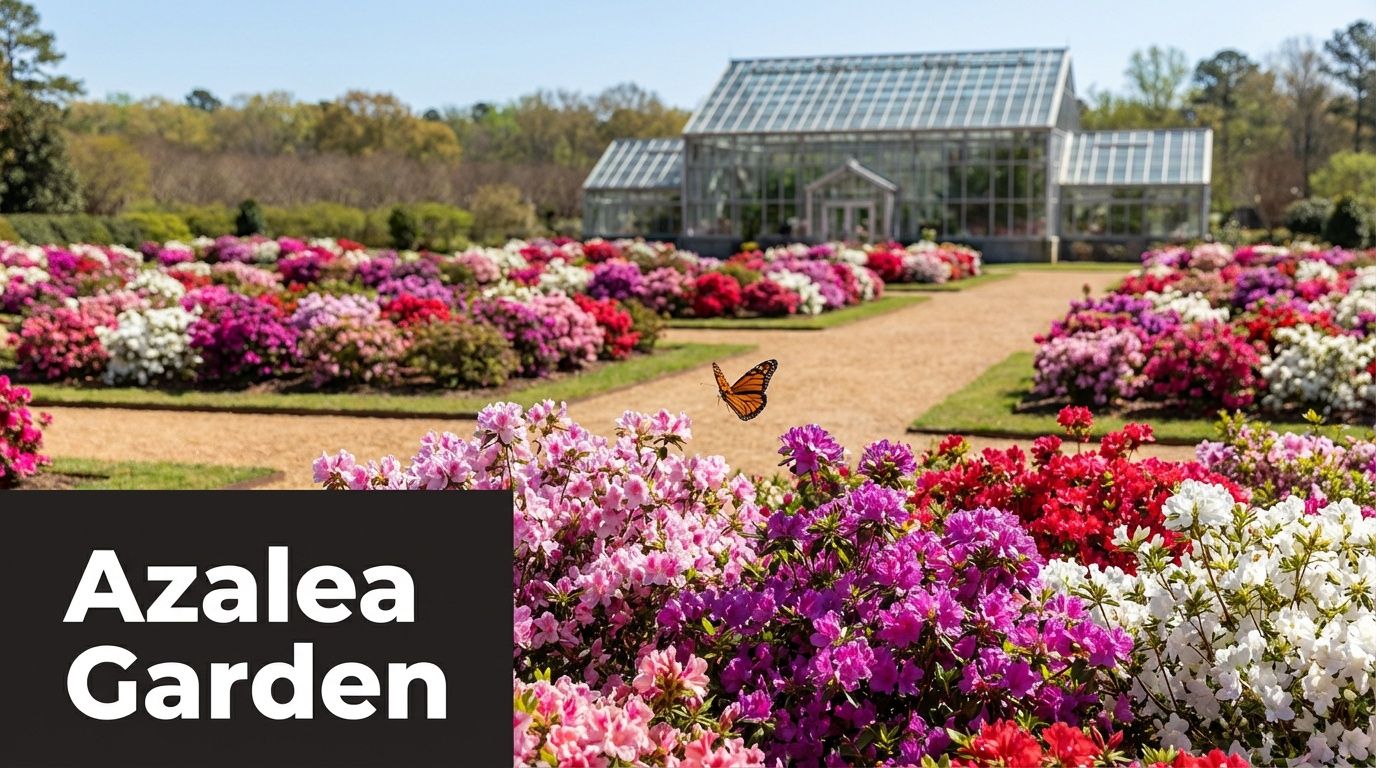
A client lands in Atlanta for a short visit, your leadership team wants time outdoors, and nobody has room in the schedule for a long drive. Atlanta Botanical Garden is usually the cleanest answer. It gives you a strong sense of place, polished grounds, and enough structure for a purposeful outing without turning the day into a logistics exercise.
Set beside Piedmont Park, the garden works especially well for organizations that want a credible sustainability setting inside the city. The horticultural design is the draw, but the operational lesson matters too. Well-kept public gardens only stay this good through planning, staffing, donor support, and long-term maintenance. For teams discussing stewardship, community investment, or environmental goals, that context adds value beyond the photos.
This is the best fit in Georgia for a short, high-quality business visit.
What makes it strong for professional groups
The garden has the kind of visual range that helps mixed groups stay engaged. Indoor conservatories, curated seasonal plantings, and higher viewpoints give people natural stopping points for conversation. That matters when you are hosting clients or bringing together coworkers who do not all know each other well. A setting with clear focal points reduces the awkwardness that can come with a purely social event.
It is also easy to build around. You can pair the visit with lunch nearby, a walk through Piedmont Park, or a broader itinerary built from other best day trips from Atlanta, Georgia if out-of-town guests are extending their stay. For Metro Atlanta companies, that flexibility is a practical advantage over larger destination gardens that require more travel time and tighter coordination.
The Atlanta Journal-Constitution reported that Atlanta Botanical Garden covers 30 acres and ranked highly in a national tally of popular U.S. botanical gardens, which helps explain why it is such a recognizable pick for visitors and local planners alike: AJC's roundup of Georgia botanical gardens.
Where it supports sustainability and team culture
For corporate groups, the strongest use of this garden is not passive sightseeing. It is structured observation. Teams can look at plant diversity, space planning, interpretive signage, and visitor flow, then connect those choices back to their own work in sustainability, facilities, employee wellbeing, or community engagement.
That makes the garden a good choice for leadership off-sites with a reflection component, client entertainment that needs a more thoughtful tone, or internal culture days focused on local institutions that improve Atlanta’s quality of life. If your company talks about environmental responsibility, this is the kind of venue that helps make that conversation feel grounded rather than performative.
Trade-offs to plan around
Popularity is the main constraint. A well-known urban garden attracts tourists, families, members, and event traffic, especially during seasonal displays. If your goal is easy conversation, book around that reality instead of hoping the crowd will thin out on its own.
Weekday mornings are usually the safest window for groups that want to walk and talk at a reasonable pace.
This is also less suitable if you need privacy or a fully controlled program. The setting is public, and the busiest periods can feel more like a top city attraction than a quiet retreat. That energy is useful for first-time visitors and lighter client hosting. It is less useful when your primary goal is confidential discussion or uninterrupted workshop time.
For teams that care about photos and brand storytelling, pair the visit with ideas from these Instagrammable places in Georgia. Just keep the agenda disciplined. Atlanta Botanical Garden is at its best when the visit supports a real conversation about design, stewardship, and how public green space strengthens the city around it.
2. Callaway Gardens
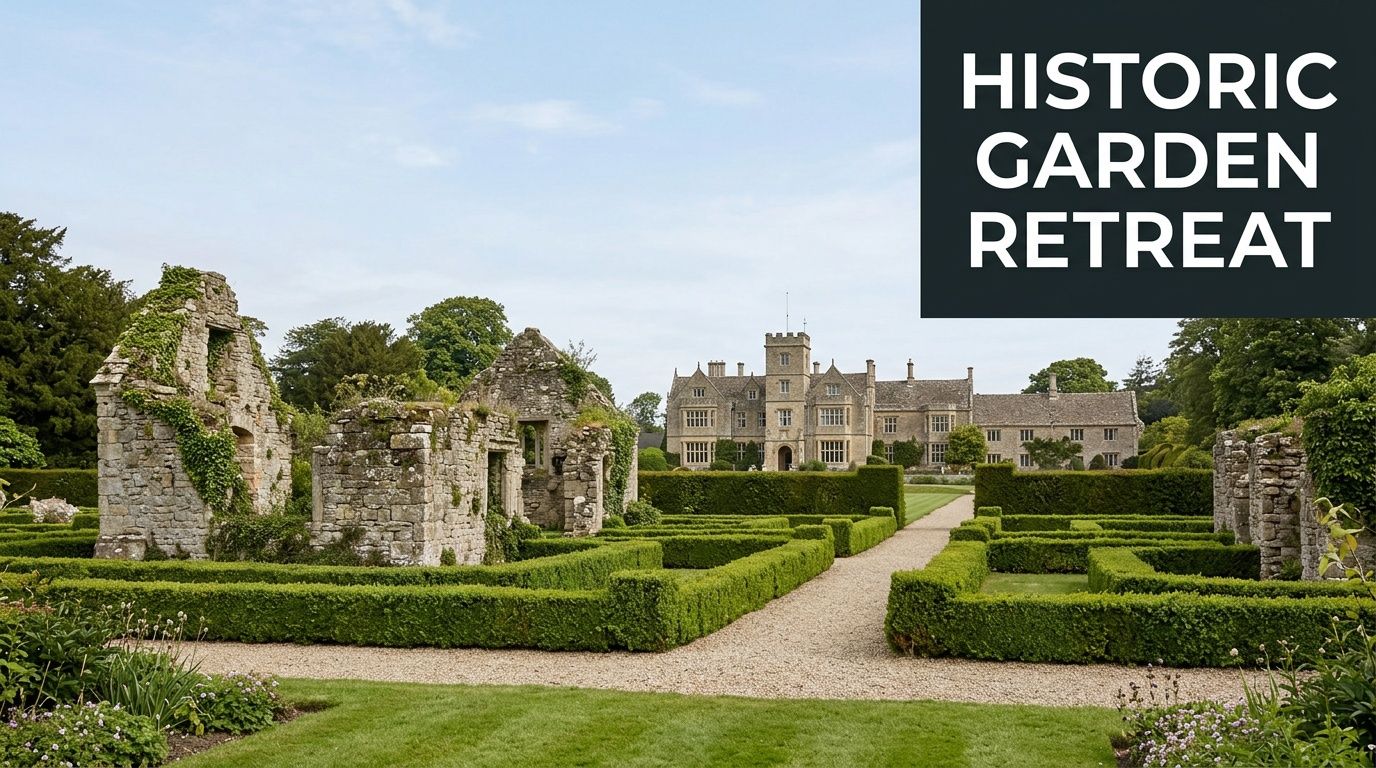
A team leaves Atlanta early, arrives in Pine Mountain with phones still buzzing, and settles down only after the first walk through the grounds. That reset is Callaway Gardens' real value for organizations. The property gives people enough physical distance from the office to slow down, pay attention, and have better conversations.
Callaway is best treated as a working retreat setting, not a quick attraction stop. For Georgia companies, that distinction matters. If the goal is corporate sustainability planning, client entertainment with more substance, or a team day built around stewardship rather than slogans, the larger setting helps. You have room to connect the visit to land care, long-term maintenance, and the kind of operational patience real sustainability work requires.
Where Callaway fits best
This is a strong option for leadership retreats, client programs with an overnight stay, and cross-functional team gatherings that need both structure and breathing room. A large garden destination changes the rhythm of the day. Walking meetings become practical. Informal conversations happen between scheduled sessions instead of being forced into a conference room break.
It is less effective for groups trying to squeeze everything into a short afternoon. The drive, the scale of the property, and the slower pace all work against a rushed itinerary. If your team only has a few hours, a closer urban garden usually gives a better return on time.
For companies building a broader Georgia itinerary, Callaway also pairs naturally with Georgia mountain towns worth visiting year-round if you want the trip to feel regional rather than purely event-based.
Practical trade-offs to plan for
The upside is space. The constraint is coordination.
Large properties reward clear planning. Without it, groups spread out, conversations fragment, and late arrivals miss the tone you were trying to set. That matters even more if you are hosting clients, board members, or employees with different mobility needs.
A few planning choices usually make the visit stronger:
- Build the agenda around 2 or 3 anchor moments: one formal session, one outdoor walking block, and one meal or hosted conversation is often enough.
- Book early for spring and peak weekends: the best dates and lodging options tighten up fast.
- Set walking expectations in advance: some guests will welcome the movement, others will need route clarity, transportation support, or fixed meet-up points.
- Use the grounds to reinforce the purpose of the day: sustainability discussions, culture building, and client hospitality all work better when the outdoor setting is part of the program, not background scenery.
Callaway works best for organizations willing to commit the time. The visit pays off when the grounds are used with intent, not treated as filler between meetings. For teams that want a credible setting to discuss stewardship, community investment, and long-range business values, that is a practical advantage.
3. Barnsley Resort Gardens
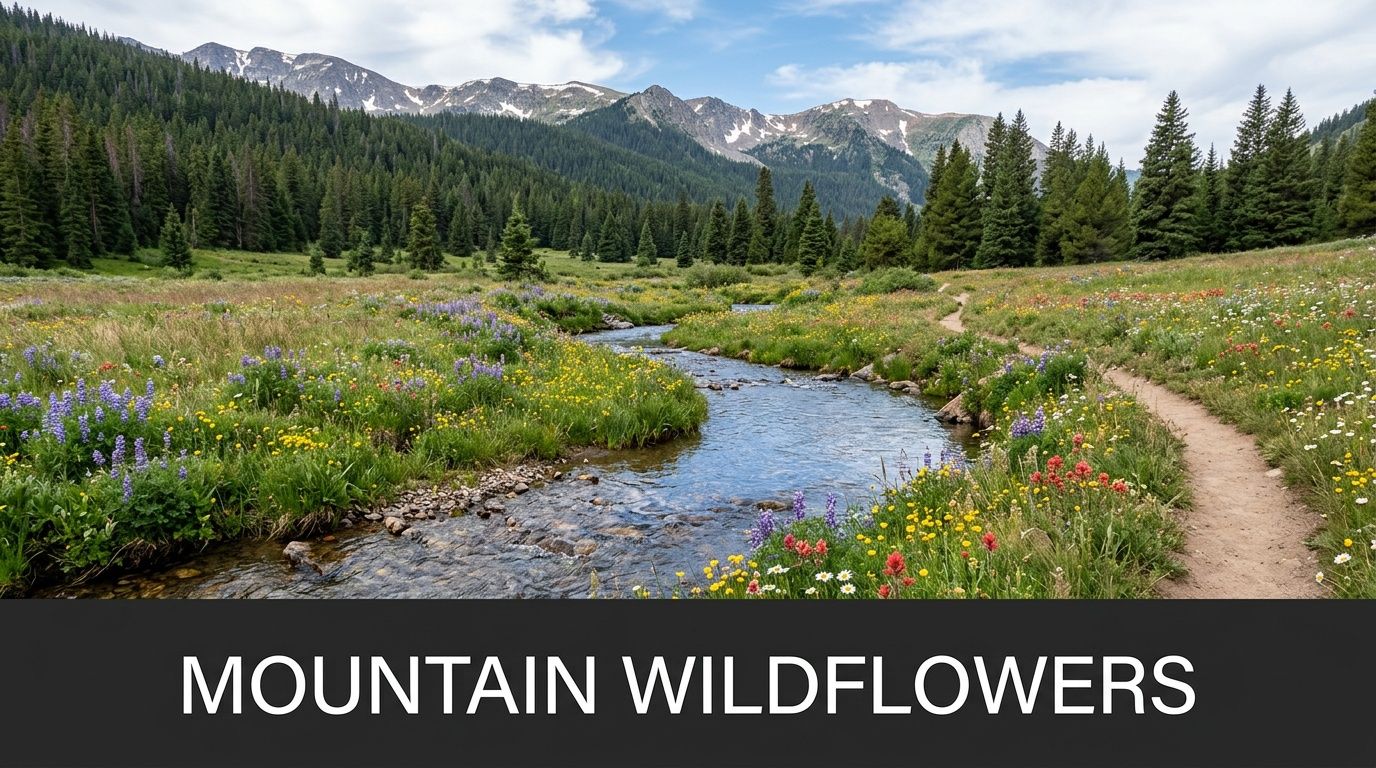
Barnsley Resort Gardens suit a different mood than the bigger public garden names. This is less about broad-access botanical scale and more about atmosphere, restoration, and polished retreat energy. If you’re planning an executive offsite or client appreciation experience, that difference matters.
The formal grounds and historic setting give you a stronger sense of enclosure. People aren’t just visiting a garden. They’re stepping into a managed environment where architecture, plantings, and hospitality are working together. That can be more effective than a busier, more public-facing attraction when the goal is focused discussion.
Why executives tend to respond well here
Barnsley is one of the better choices for leadership groups that need privacy and pace. The gardens and ruins create natural pauses in the day. That helps if your schedule includes strategy sessions, one-on-one meetings, or higher-stakes client conversations that don’t belong in crowded public areas.
There’s also a useful metaphor built into the property. Restoration takes patience, expertise, and ongoing maintenance. Companies dealing with aging systems, operational redesign, or sustainability transitions often respond well to that setting because it reflects the reality of long-term improvement. Good outcomes usually come from disciplined upkeep, not quick fixes.
A regional firm could host a two-day retreat here with morning meetings, outdoor networking, and a dinner that feels more personal than a standard hotel ballroom. A professional services team could use the grounds for informal client conversations that need more warmth than a boardroom allows.
Practical trade-offs
This isn’t the most democratic option on the list. It’s better for smaller groups, senior teams, and occasions where a premium setting is part of the value. If your goal is broad accessibility, family programming, or low-cost community engagement, other gardens will fit better.
Use the setting well:
- Book the history angle on purpose: Guided interpretation adds depth and keeps the place from becoming just a pretty backdrop.
- Mix indoor and outdoor time: Too much meeting-room time wastes the property’s best advantage.
- Plan around comfort: Spring and fall are often easier for attire, photography, and longer walks.
The resort setting also works for organizations that want to pair scenic downtime with a broader North Georgia itinerary. If that’s part of your planning, this guide to Georgia mountain towns to visit year-round is a useful companion.
Barnsley works best when you treat the grounds as part of the program, not decoration around it. Teams remember that difference.
4. State Botanical Garden of Georgia
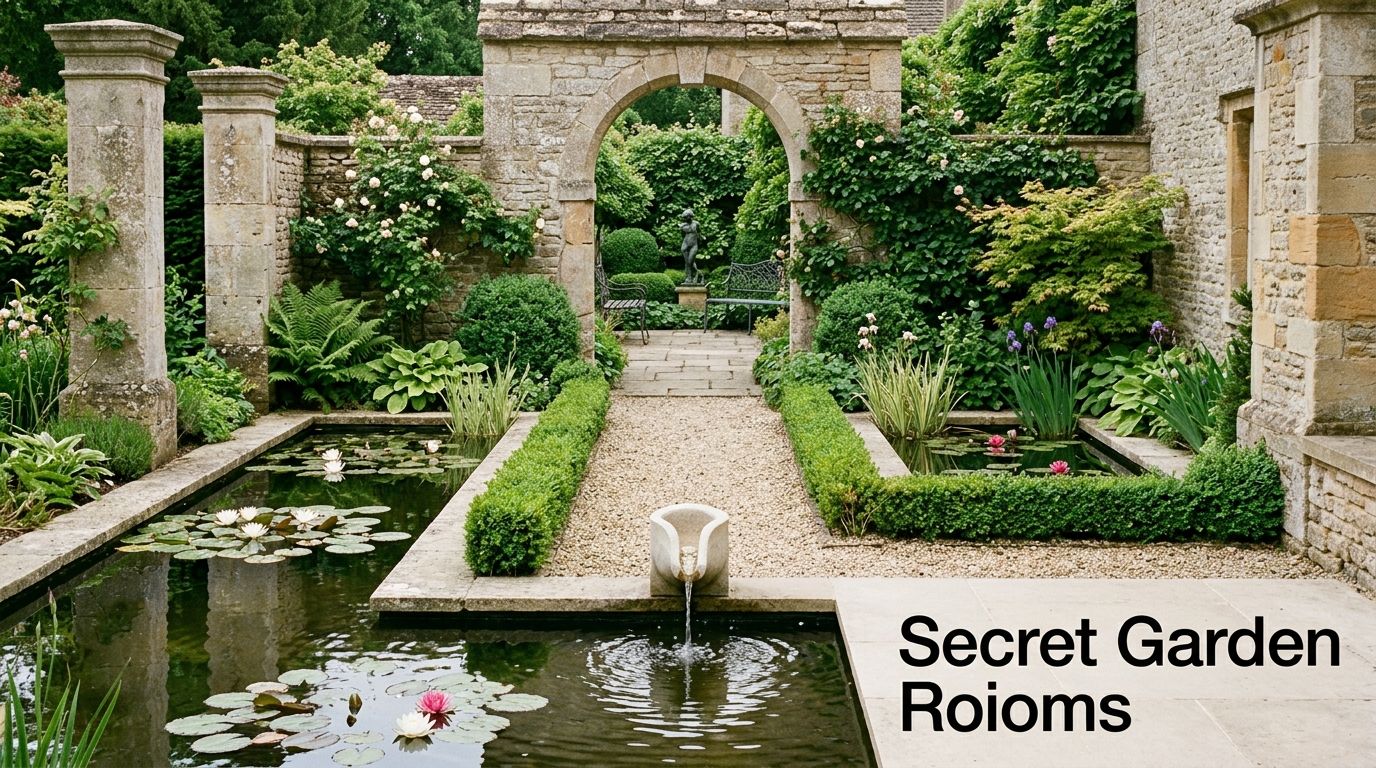
A leadership group arrives in Athens with a common problem. They want an off-site that feels grounded in Georgia, gives people room to talk, and still connects to real sustainability work. The State Botanical Garden of Georgia handles that mix well because it combines public-garden beauty with conservation, education, and a clear sense of stewardship.
The garden’s scale and mission set the tone. As Visit Athens notes, the property covers 323 acres along the Middle Oconee River, was dedicated in 1985 by the Georgia General Assembly, includes five miles of nature trails, and features assets such as the Alice H. Richards Children’s Garden, specialty display gardens, an All-American Selections Garden, and an Audubon Society Important Bird Area. In practice, that means a visit can support more than sightseeing. Teams can observe native planting, habitat protection, public education, and long-term land management in one setting.
That makes this stop especially useful for Georgia organizations trying to make sustainability conversations more concrete.
A polished venue can impress clients. This garden does something different. It gives people a shared reference point for discussing local ecology, public access, and how institutions maintain green space over time. For companies building ESG messaging, community partnerships, or employee volunteer programs, those are better discussion starters than generic talk about “going green.”
The trade-off is pace. This is not the best choice if your group wants a tightly scripted, high-energy outing with short transitions and lots of catered structure. The property is large, the experience is more spread out, and the strongest visits usually leave room for walking, observation, and informal conversation.
Best uses for organizations
The garden fits groups that want substance without a formal classroom feel. University partners, healthcare systems, design firms, nonprofits, and companies with internal sustainability committees tend to get the most from it.
It also works well for family-inclusive events. The children’s garden broadens the audience and makes the site easier to use for employee appreciation days or community-facing programs. If you are building a wider weekend or school-break itinerary, this guide to kid-friendly attractions in Georgia pairs naturally with an Athens garden stop.
A practical approach works best:
- Set a clear purpose: Use the visit for team reflection, client hospitality, or sustainability inspiration. Don’t try to force all three into a short window.
- Choose a route in advance: Large gardens reward planning. A curated loop is more effective than wandering if your group is on a schedule.
- Match the site to the audience: Native plant areas and trails suit leadership retreats and mission-driven teams. Family groups benefit from a looser plan and more flexible timing.
- Dress for distance: Comfortable shoes matter here more than at tighter, more ornamental properties.
For professionals, the State Botanical Garden of Georgia offers a public-facing model of how beauty, education, and conservation can work together. That is useful not just for a day out, but for any organization trying to connect its values to visible action.
5. Atlanta History Center Gardens
Atlanta History Center’s gardens work best for visitors who want context as much as color. Instead of isolating plants from place, the campus folds gardens into the larger story of Atlanta, architecture, and regional outdoor design traditions. That makes the experience richer for organizations that want more than scenery.
The setting is especially useful for client hosting in Buckhead. You can combine outdoor walking with museum and historic-house experiences, which gives the day a natural rhythm. A pure garden visit can sometimes feel too narrow for mixed-interest groups. This campus avoids that problem.
Why the historical layer matters
Many corporate outings fail because they lean too hard on one note. A meal alone can feel transactional. A walk alone can feel unstructured. The Atlanta History Center gardens work because they provide a visual anchor while the surrounding history adds depth and talking points.
That’s useful if you’re entertaining clients, onboarding senior hires, or gathering a team that includes people with different levels of enthusiasm for horticulture. One person may respond to plantings and garden architecture. Another may connect more with Georgia history, preservation, or the stories attached to the grounds.
A professional services firm in Buckhead could bring out-of-town clients here for a low-pressure afternoon that feels local and intelligent. A leadership team could use the campus to discuss legacy, continuity, and what responsible stewardship looks like over decades rather than quarters.
What tends to work best
This is a strong option for half-day planning. It gives enough variety for a substantial visit, but it doesn’t demand the same commitment as a full destination retreat.
A few practical choices improve the day:
- Add a guided component: Interpretation helps teams notice what they’d otherwise walk past.
- Pair it with a meal nearby: The neighborhood makes it easy to turn the outing into client entertainment without overcomplicating logistics.
- Use the setting for discussion, not just photos: The stronger value is the conversation that happens while moving through the campus.
The other advantage is tone. The gardens feel cultivated without becoming overly formal. That balance works well for companies that want to signal care, taste, and local awareness without drifting into excess. If your team talks often about sustainable growth, preservation, or community identity, this is one of the better places in Georgia to make those ideas feel concrete.
6. Dunaway Gardens
Dunaway Gardens is the recommendation for smaller groups that want character. It’s restored, intimate, and more cinematic than most public green spaces. If your event depends on mood, memory, and a sense of discovery, Dunaway can outperform bigger names.
That intimacy is the main distinction. Larger botanical institutions impress through breadth. Dunaway works through atmosphere. Stonework, water features, and enclosed spaces change how people move and talk. You don’t get the same broad public energy. You get a setting that encourages slower, more focused interaction.
Best use for executive and relationship-driven events
This is a strong fit for a board retreat, partner dinner, or quiet client appreciation gathering. If you’re planning for a small group where the quality of conversation matters more than checking off attractions, Dunaway has an advantage.
It’s also a good creative setting. Teams that need brainstorming space often do better in environments with texture and variety rather than blank conference walls. A restored garden with layered views and historic personality can help people think more openly, especially when the agenda includes planning, storytelling, or brand discussion.
“Choose the venue that matches the size of the conversation.”
That rule fits Dunaway well. A large staff outing would likely overwhelm the setting or waste its strengths. A compact leadership group, on the other hand, can make real use of it.
Watch the logistics
Because the experience depends on access and pacing, advance planning matters more here than at a large daily-admission attraction. Check public access schedules or private booking options before inviting guests. Don’t build the event around assumptions.
A few practical points help:
- Keep the group small: The garden’s value comes from intimacy, not scale.
- Aim for spring or fall: Pleasant weather supports longer conversations and more comfortable use of outdoor spaces.
- Build in unstructured time: The setting does part of the work. You don’t need to script every minute.
Dunaway is also well suited to organizations that want a more refined sustainability message. Instead of talking about environmental responsibility in generic terms, the restored grounds let you discuss care, maintenance, and adaptive reuse in a more grounded way. It’s subtle, but for the right audience, subtle works better than slogans.
7. Smithgall Woods State Park
Smithgall Woods State Park isn’t a formal garden, and that’s exactly why it belongs on this list. Some of Georgia’s most beautiful cultivated spaces teach design. Smithgall teaches restraint. It shows what beauty looks like when preservation leads and infrastructure stays in the background.
For companies that talk seriously about environmental responsibility, this is often the more honest outing. A protected natural area asks less from the visitor and demands more attention. You notice native plant communities, water, terrain, and the management choices required to keep those systems healthy.
A stronger fit for stewardship-minded teams
This is the place for teams that would rather walk a trail than pose beside a display bed. If your staff responds to conservation, habitat protection, and outdoor immersion, Smithgall can create a better conversation than a more manicured venue.
That makes it well suited to environmental committees, volunteer groups, and leadership teams working through sustainability goals. The park setting creates a direct connection between resource use and resource protection. A discussion about waste reduction or procurement standards lands differently after people have spent time in a protected area.
A company could organize a guided walk, then hold a short outdoor discussion about what stewardship looks like in operations. A school or healthcare team could use the visit as a reset day focused on observation, pace, and long-term thinking.
What to expect
Smithgall is beautiful, but it isn’t frictionless. Natural areas require more physical readiness than formal garden paths. That’s part of the trade-off. The reward is authenticity.
Plan carefully:
- Match the route to your group: Not every team wants the same level of exertion.
- Use the season well: Spring wildflowers and fall color usually deliver the strongest visual payoff.
- Keep expectations grounded: This is a conservation-forward experience, not a polished event venue.
If your group is scheduling around autumn travel, these places to see fall colors in North Georgia can help shape a wider itinerary.
Smithgall works when the company culture can handle quiet. Some teams need entertainment. Others need space to notice what they’ve been ignoring. This park is better for the second group.
8. Atlanta’s Urban and Community Gardens
Not every meaningful garden visit needs gates, conservatories, or destination pricing. Atlanta’s urban and community gardens offer something many businesses say they want but rarely organize well. Direct connection between sustainability talk and neighborhood action.
These spaces include community plots, edible garden areas, corridor plantings, and arboretum-style public walks that people can return to after the event is over. That repeatability matters. A one-time trip to a famous garden can inspire people. A nearby community growing space can change behavior because it stays in view.
Why they matter for Georgia organizations
Urban and community gardens are often the best option for companies that want participation, not just observation. A volunteer day, sponsorship, walking meeting, or staff wellness outing can all happen in these settings with less ceremony and more local relevance.
They also fit the reality of Metro Atlanta work life. Not every office can spare a full day for travel. A nearby green space can still support team-building, reflection, and values-based programming without creating a major logistical burden.
The practical sustainability angle is stronger here too. Community gardens connect environmental goals to food access, neighborhood health, and visible stewardship. That’s useful for firms that want their community engagement to feel specific rather than generic.
How to use them well
This category rewards partnership. Don’t just show up with branded shirts and make the day about your company. Work with the organizers already doing the labor. Ask what support is useful.
A better approach looks like this:
- Support an existing effort: Sponsor supplies, maintenance, or a defined project instead of inventing your own parallel event.
- Tie the visit to employee wellness: A walk or volunteer block can fit naturally into recognition days or team-building calendars.
- Keep the action local: The closer the garden is to your office or employees, the more likely the connection lasts.
Community spaces also create a natural bridge to wider operational questions. When teams spend time in places built around reuse, care, and local resilience, it becomes easier to discuss what your own organization is doing with waste, purchasing, and obsolete equipment. That’s where the garden outing stops being symbolic and starts becoming useful.
Top 8 Georgia Gardens Comparison
| Venue | Implementation Complexity 🔄 | Resource Requirements ⚡ | Expected Outcomes 📊 | Ideal Use Cases 💡 | Key Advantages ⭐ |
|---|---|---|---|---|---|
| Atlanta Botanical Garden | Medium 🔄, advance reservations recommended | Moderate ⚡, admission + parking + transport | High engagement ⭐📊, memorable visuals & educational value | Team-building, sustainability workshops, corporate events | Central location; strong educational programming; iconic photo ops ⭐ |
| Callaway Gardens | High 🔄, multi-day logistics and seasonal crowds | High ⚡, travel, lodging, activity fees | Immersive learning ⭐📊, large-scale stewardship examples | Multi-day retreats, environmental training, client entertainment | Extensive acreage, resort facilities, large conservatory ⭐ |
| Barnsley Resort Gardens | High 🔄, premium event coordination and lead time | High ⚡, upscale accommodations and event costs | Premium experiential outcomes ⭐📊, wellness + strategic focus | Executive retreats, high-level client events, wellness conferences | All-inclusive resort, historic restoration, on-site amenities ⭐ |
| State Botanical Garden of Georgia | Medium 🔄, coordinate with university schedule | Low–Moderate ⚡, mostly free grounds; program fees possible | Research-led insights ⭐📊, conservation and botany expertise | Data-driven sustainability sessions, educational outings | University affiliation; strong conservation research focus ⭐ |
| Atlanta History Center Gardens | Medium 🔄, museum + garden coordination | Moderate ⚡, admission and limited event capacity | Cultural & historical impact ⭐📊, contextual sustainability lessons | Corporate events with historical themes, educational tours | Central Buckhead site; living exhibits linking history & horticulture ⭐ |
| Dunaway Gardens | Low–Medium 🔄, limited public access; private booking needed | Low–Moderate ⚡, premium venue fees for small groups | Intimate, memorable outcomes ⭐📊, high exclusivity and aesthetic value | Small executive retreats, exclusive client dinners, private tours | Unique historic design, secluded atmosphere, exclusive feel ⭐ |
| Smithgall Woods State Park | Low 🔄, simple permits; weather-dependent access | Low ⚡, minimal fees; travel required | Conservation-focused engagement ⭐📊, authentic ecosystem experience | Nature walks, conservation team-building, outdoor strategy sessions | Pristine native habitat, strong restoration examples, low impact ⭐ |
| Atlanta's Urban & Community Gardens | Low 🔄, coordinate with local partners | Low ⚡, volunteer supplies and minor sponsorships | Direct community impact ⭐📊, CSR visibility and employee wellness | Volunteer days, CSR projects, BeltLine walks, wellness programs | Highly accessible, flexible engagement, strong community ties ⭐ |
Cultivating Your Own Green Initiative
The best reason to visit these gardens isn’t escape alone. It’s perspective. Well-run gardens make long-term thinking visible. You see planning, maintenance, adaptation, seasonal change, and the steady work required to keep a living system healthy. That’s useful for any organization trying to operate more responsibly.
For Georgia businesses, a pleasant outing can become a practical conversation. A leadership team that spends a morning in carefully managed gardens often comes back more ready to talk about stewardship in operational terms. Not abstract values. Actual choices. What do we keep, what do we replace, what do we maintain better, and what waste are we still creating because it’s convenient?
That’s why the Most Beautiful Gardens to Visit in Georgia can be more than leisure picks. They can function as working examples. Atlanta Botanical Garden shows how a major destination can pair public appeal with strong environmental identity. The State Botanical Garden of Georgia shows how education, conservation, and public access can reinforce each other. Smaller or more intimate destinations show something else. Scale isn’t the only path to impact. Consistency, care, and fit matter just as much.
For organizations across Alpharetta, Marietta, Smyrna, Norcross, Roswell, and surrounding areas, one of the clearest next steps is to examine your e-waste process. Many companies talk about sustainability while old laptops, switches, drives, and servers pile up in closets, storage rooms, and back offices. That gap is common, but it’s fixable.
Responsible IT asset disposition is one of the simplest places to make environmental goals concrete. When obsolete equipment is handled correctly, your company reduces landfill risk, protects sensitive data, and creates a cleaner internal process for refresh cycles and decommissions. For regulated industries and growing firms, that’s not just good optics. It’s basic operational discipline.
Montclair Crew serves that need for Metro Atlanta organizations. The company helps businesses decommission and recycle computers, laptops, servers, telecom equipment, and other IT assets while emphasizing secure handling and environmentally compliant disposition. For teams already thinking about sustainability through procurement, facilities, and community engagement, e-waste should sit in the same conversation.
A garden visit can be the spark. The follow-through happens in policy, vendor choice, and routine practice. That includes how your business handles aging hardware, how often you audit storage areas, and whether you’ve built a repeatable process for secure removal and recycling instead of waiting for clutter to become a project.
The same mindset applies outside IT too. Stewardship is cumulative. It shows up in vendor standards, event planning, reuse habits, landscaping choices, and even how your property team thinks about maintaining healthy trees and plants. Strong environmental culture usually doesn’t come from one big announcement. It comes from many specific actions that align over time.
Georgia’s gardens make that lesson easy to see. They don’t stay beautiful by accident. Your company’s environmental practices won’t improve by accident either. Choose one garden that fits your team. Use the day well. Then come back and make one operational decision that proves the outing meant something.
If your organization is ready to turn sustainability goals into action, Montclair Crew Recycling offers a practical next step. From secure IT asset disposition to responsible electronics recycling for Metro Atlanta businesses, schools, healthcare providers, and public agencies, Montclair Crew helps you clear obsolete equipment, protect data, and keep reusable materials out of landfills.
