

More Than Just Peaches: Discover Georgia's Vibrant College Towns
Beyond Atlanta's skyline, where do you find the true heart of Georgia? In a lot of travel coverage, college towns get reduced to football weekends, cheap eats, and campus tours. That misses the complete story. The best college towns to visit in Georgia are places where classrooms spill into music venues, old courthouse squares sit next to coffee shops full of students, and local identity feels stronger because a university is woven into daily life.
That mix matters if you're planning a trip. A good college town isn't just lively. It needs a walkable center, a clear sense of place, enough history to reward a slow afternoon, and enough local energy that it still feels alive after you've seen the main campus landmarks. Georgia does this especially well because the settings vary so much. You can spend one weekend in a mountain town with gold rush history and another in a coastal city shaped by art and design.
There's also a practical angle that often gets ignored. Universities are big civic engines. They shape housing, transit, small business traffic, and sustainability habits. They also create a steady stream of retired laptops, classroom devices, lab hardware, and networking gear. In college communities, responsible e-waste handling isn't a side issue. It's part of keeping the town clean, efficient, and forward-looking.
This guide gets to the list quickly and keeps it useful. You'll find what each town does best, where the trade-offs are, a simple one-day itinerary, and a sustainability spotlight that looks at environmental pressures academic communities face.
1. Athens The Classic City
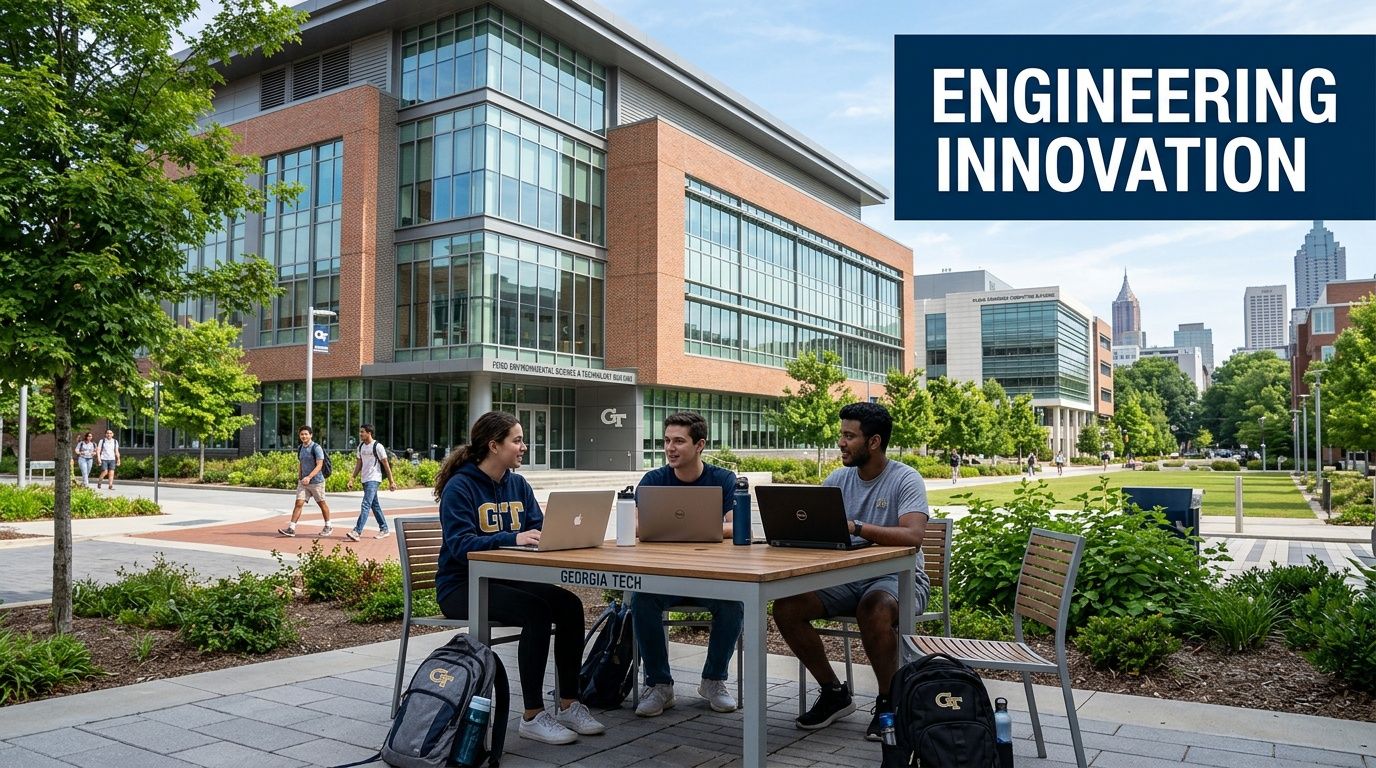
Athens is the college town people usually picture first, and in Georgia that instinct is justified. Home to the University of Georgia, it blends school spirit, music history, old architecture, and a downtown that stays active without feeling manufactured. It has enough tradition for first-time visitors and enough off-campus character for people who'd rather avoid a pure game-day scene.
The scale is a big reason it works. Athens feels substantial, but it still rewards walking. You can move from campus edges into downtown, catch live music, spend time in museums or green spaces, and still have dinner without ever feeling like you're chasing isolated attractions across a sprawl-heavy map.
Athens also has national recognition behind its reputation. BestColleges ranked Athens fifth among the best college towns in America and reported a Fall 2022 student population of 40,118, making students 31% of the town's population. That ratio explains the energy. Students aren't tucked away in one district. They shape the city.
What works best in Athens
If you're visiting for the first time, prioritize the overlap between campus and downtown rather than treating them as separate stops. That's where Athens feels most complete. The historic core, music venues, and food scene all feed off the student presence without becoming one-note.
Trade-offs matter here too. Football weekends bring huge excitement, but they can also make Athens feel crowded and less flexible if your goal is a relaxed cultural trip. On quieter weekends, you'll get a better read on the city itself.
Practical rule: If you care more about music, food, and browsing than tailgates, visit when there's campus activity but not a major home game.
A few smart moves:
- Start downtown early: Morning is better for parking, coffee, and getting a feel for the street grid before the evening crowds arrive.
- Use campus as a connector: UGA landmarks are worth seeing, but Athens gets better once you keep walking into adjacent neighborhoods and local business districts.
- Stay out late at least once: Some college towns peak at lunch. Athens earns its reputation after dark.
One-day plan
- Morning: Coffee and a downtown walk, then a campus stroll focused on historic buildings and open greens.
- Midday: Lunch near downtown or Five Points, followed by a museum, garden, or record-store stop.
- Afternoon: Slow it down with shopping, local art, or a brewery visit.
- Evening: Dinner, then live music. Athens does this better than almost anywhere in the state.
Sustainability spotlight
Athens is exactly the kind of university city where sustainability has to be practical, not cosmetic. A large student population means constant device turnover from dorm moves, classroom upgrades, office replacements, and research needs. In towns like this, the green choice isn't just recycling paper cups. It's making sure old computers, monitors, lab equipment, and network gear are handled through certified downstream channels and data-safe processes.
For visitors, that shows up in small ways. Adaptive reuse, local-first retail, and denser activity patterns give Athens a lower-waste feel than many auto-dependent destinations. For institutions, the challenge is bigger. The right e-waste partner keeps reusable hardware out of landfills and protects sensitive university data at the same time.
2. Atlanta A Metroplex of Campuses
Atlanta isn't a traditional college town, but that's exactly why it deserves a place on this list. Instead of one campus setting the tone, you get several distinct academic environments layered into one large city. Georgia Tech brings a technical, urban feel in Midtown. Emory leans more leafy and residential. Georgia State is woven into downtown. The Atlanta University Center adds deep historical and cultural significance.
That variety gives Atlanta range that smaller towns can't match. You can spend the morning around a research-heavy campus, the afternoon in a museum district, and the evening in a neighborhood restaurant corridor without repeating yourself. If you're building a broader trip, Atlanta also pairs well with nearby escapes, and this guide to best day trips from Atlanta, Georgia is useful for extending the visit.
WalletHub's 2025 analysis gives Atlanta strong context as a visit destination. Atlanta ranked No. 7 among the best college towns in America, No. 5 among large cities, and No. 2 nationwide for social environment. That tracks with what visitors experience. The city excels when you want campus energy plus major-city options.
What works and what doesn't
Atlanta works best if you stop searching for a single postcard college district. Treat it as a network of campus-centered neighborhoods instead. Pick two or three zones and move intentionally.
What doesn't work is trying to do everything in one day with no plan. Traffic changes the math, and the city's scale can flatten the charm if you spend more time driving than exploring.
Atlanta rewards visitors who plan by district, not by citywide wish list.
A more realistic approach:
- Midtown and Georgia Tech: Best for tech energy, museums, and modern urban campus life.
- Druid Hills and Emory: Better if you want a quieter, greener setting.
- Downtown and Georgia State: Good for visitors who want an academic feel tied to business, government, and city infrastructure.
One-day plan
Start with breakfast and a walk near your chosen campus district. Then build outward. In Midtown, that might mean campus architecture, green space, and a museum. Around Emory, it might mean a slower day with nearby cultural stops and neighborhood dining.
Finish somewhere with a strong local identity rather than defaulting to chain-heavy convenience areas. Atlanta has too many good neighborhood business districts to settle for generic.
Sustainability spotlight
Atlanta's college-town appeal is tied to the same thing that makes its sustainability profile complicated. It has scale. That means more research labs, more student devices, more institutional offices, and more regular IT refresh cycles. The same WalletHub-based analysis also noted Atlanta's budget-friendliness lagged behind its social strengths, and that higher-cost environment tends to push institutions toward long equipment lifecycles followed by large, complex decommissioning waves.
For schools, hospitals, and businesses near campus corridors, responsible e-waste handling matters because the equipment mix is broader. It's not just office desktops. It's servers, telecom gear, storage hardware, and specialized devices with sensitive data. In a city like Atlanta, the best sustainability programs are the ones that combine secure data destruction, asset tracking, and reuse before recycling. That's where environmental goals and operational reality finally meet.
3. Savannah The Artistic Enclave
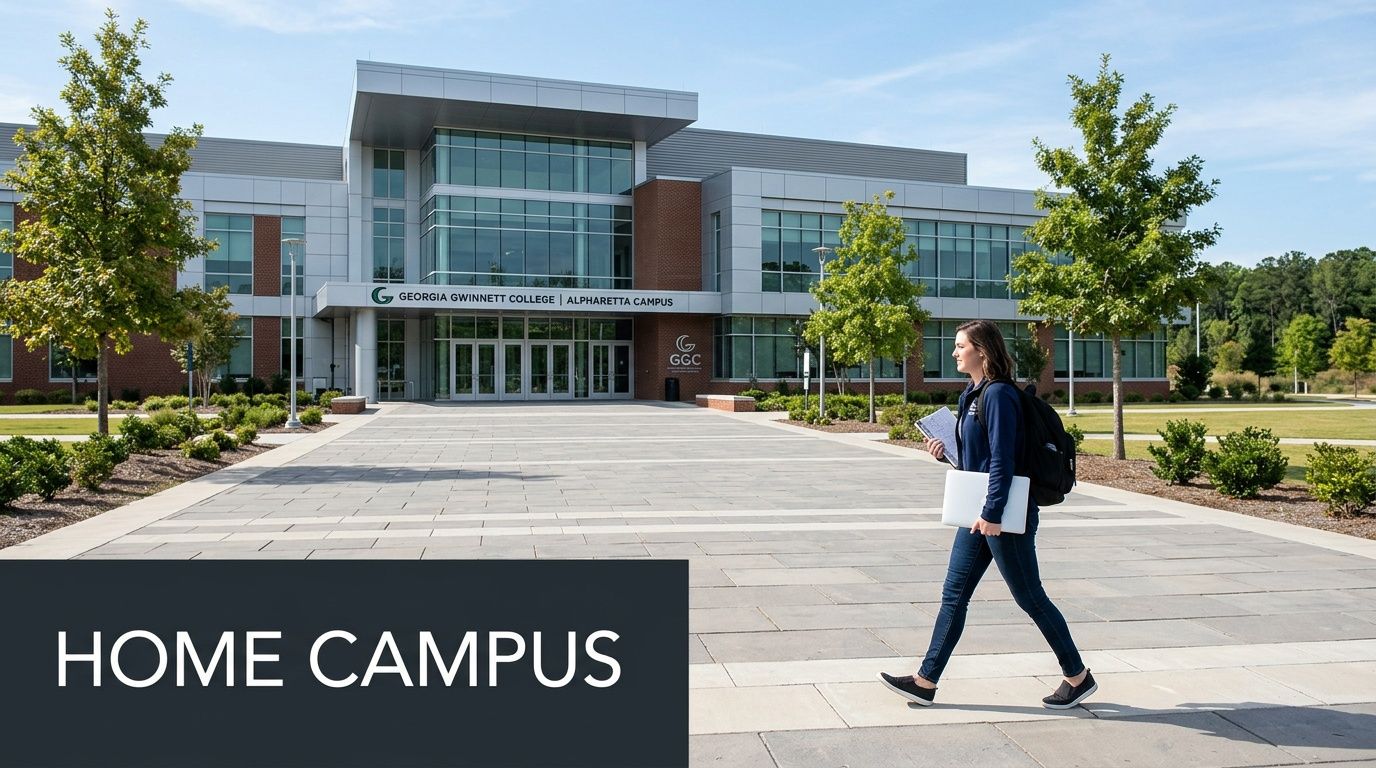
Savannah feels different from every other town on this list because the college presence doesn't sit apart from the city. It blends into it. The Savannah College of Art and Design has shaped the mood of the place through galleries, studios, theaters, storefronts, and repurposed historic buildings that keep creative energy visible all day.
That integration is Savannah's biggest strength as a college destination. In some towns, campus life feels self-contained. In Savannah, art school culture spills into the public realm. You feel it in window displays, exhibitions, coffee shops full of sketchbooks and laptops, and the way design seems to shape everything from signage to interiors.
The trade-off is that Savannah isn't cheap or especially low-key in popular travel seasons. It's a polished destination with real tourism pressure. That said, the city usually earns the effort because the experience is layered. Historic squares, riverfront views, and student-led creative culture all overlap. If you want a broader city guide while planning your stop, this roundup of top things to do in Savannah, Georgia for visitors is a good companion.
Why Savannah stands out
Savannah works best for travelers who like wandering rather than checking off landmarks one by one. The city rewards drift. A gallery leads to a bookstore, which leads to a shaded square, which leads to a meal in a restored building that feels like part of the lesson.
What doesn't work is rushing. If you try to treat Savannah like a one-speed tourist corridor, you miss the college-town texture that makes it special.
- Best fit for: Art lovers, architecture fans, couples, and visitors who want culture without a stadium-centered atmosphere.
- Less ideal for: Travelers who want one centralized campus quad experience.
One-day plan
- Morning: Walk the historic district early, before heat and tour traffic build. Look for SCAD-connected spaces woven into the urban fabric.
- Lunch: Choose somewhere local and linger rather than grabbing the fastest option.
- Afternoon: Visit a gallery, theater area, or design-oriented district. Savannah's creative identity comes through in small details.
- Evening: Dinner, then another walk. Savannah is one of the few college-oriented destinations in Georgia that arguably gets prettier after dark.
A good Savannah visit leaves room for detours. The most memorable stop is often the one you didn't schedule.
Sustainability spotlight
Savannah offers a useful sustainability lesson because preservation and reuse are visible parts of the city. Repurposing older structures for modern academic life keeps material use lower than constant new-build expansion and preserves the streetscape that people come to see in the first place.
The less glamorous side is digital infrastructure. Art and design schools cycle through high-spec computers, monitors, cameras, editing gear, and production tools. That creates a different e-waste profile than a more general campus. The equipment can hold value for resale or reuse, but it also needs careful handling because specialized creative hardware often includes storage media, accessories, and peripherals that get overlooked. In a city built on beauty and preservation, that behind-the-scenes discipline matters.
4. Dahlonega Gold Rush Mountain Town
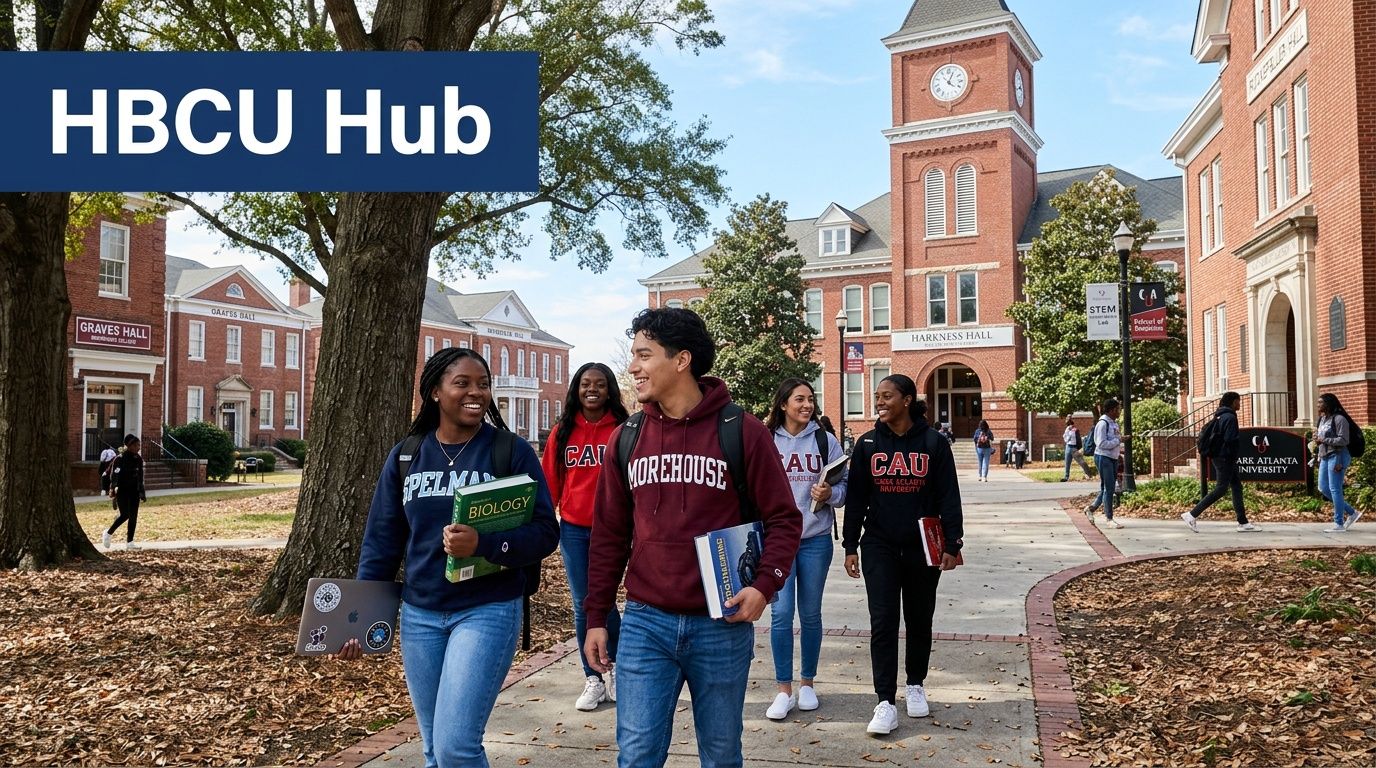
Dahlonega wins people over fast because it doesn't need to fake charm. The mountain setting, compact square, and layered history give it a strong identity before you even factor in the University of North Georgia. Once you do, the town gains that extra current of student life that keeps it from becoming a pure heritage destination.
The gold rush story is part of the appeal, but it isn't the whole trip. What makes Dahlonega one of the best college towns to visit in Georgia is the balance. You get mountain scenery, a walkable center, a campus with visual presence, and enough shops, tasting rooms, and local restaurants to fill a day without overplanning.
This is also a town where the drive matters. Getting there through North Georgia is part of the experience, especially if you're coming up from Metro Atlanta. For route ideas, this guide to top scenic drives in the North Georgia mountains helps you turn the trip into more than a point-to-point commute.
Where Dahlonega works best
Dahlonega is strongest as a relaxed day trip or easy overnight. It suits travelers who want campus atmosphere without urban intensity. Parents visiting students often like it because the town feels manageable. Weekend travelers like it because the setting adds outdoor options.
The main trade-off is scale. If you need nonstop nightlife or a long list of indoor attractions, Dahlonega won't give you what Athens or Atlanta can. What it offers instead is cohesion.
Local insight: In Dahlonega, the square and the campus should be part of the same walk. If you separate them, the town feels smaller than it is.
One-day plan
- Morning: Arrive early, walk the square, and get your bearings before midday traffic picks up.
- Late morning: Head toward campus and take in the architecture and hillside setting.
- Afternoon: Pick one lane and commit to it. History, wineries, mountain views, or browsing local shops all work better than trying to stack everything.
- Evening: Stay for dinner if you can. Dahlonega settles into itself nicely once the daytime rush eases.
Sustainability spotlight
Mountain towns feel pristine, which can hide the underlying pressure they face. Small-scale infrastructure means waste handling has to be done carefully, especially when visitor traffic rises and institutions modernize at the same time. A university campus in this setting still retires classroom devices, office electronics, and network equipment. It just does so in a town where landfill pressure and visual stewardship are especially sensitive topics.
Dahlonega also shows why local reuse culture matters. Communities that value historic preservation tend to understand repair, longevity, and responsible disposal on a deeper level. That's useful when campuses replace technology in waves. The best sustainability approach here isn't flashy. It's practical: extend device life where possible, collect consistently, destroy data correctly, and keep toxic components out of the mountain environment.
5. Statesboro A Taste of South Georgia
Statesboro doesn't always get top billing in statewide travel roundups, but that's part of its appeal. It feels lived-in, regionally rooted, and less curated than Georgia's better-known destinations. Georgia Southern University gives the town its pulse, and that pulse reaches well beyond football or move-in weekends.
If you want a South Georgia college town that still feels connected to local tradition, Statesboro delivers. The campus influence is strong, but the surrounding culture doesn't disappear under it. You get a place where university life and regional identity share the same streets.
What visitors should expect
Statesboro isn't trying to be Athens, and that's a good thing. It works best when you lean into its local rhythm. Expect a more spread-out layout, a friendlier pace, and a stronger sense that the university serves as a regional anchor rather than a self-contained bubble.
That creates some practical trade-offs:
- Better for authenticity: You'll get a stronger feel for South Georgia than you would in a more polished destination.
- Less ideal for dense walkability: You'll likely drive more than you would in Athens or Savannah.
- Good for weekends built around community events: The town shines when campus and local calendars overlap.
If you're combining this with other quieter destinations, this guide to best small towns to visit in Georgia fits well with a Statesboro stop.
One-day plan
Start near campus in the morning, when the university setting feels most active and least rushed. Walk what you can, but don't force a fully walkable day if the geography doesn't support it. Statesboro is better experienced by moving between a few strong stops than by pretending it's a compact downtown-only trip.
By afternoon, branch into local dining and community spots that aren't exclusively student-facing. That's where the town's personality shows up. In the evening, go where the crowd is, whether that's a game-adjacent atmosphere, a local hangout, or a restaurant with a mixed student and resident crowd.
Statesboro is one of those towns where talking to locals pays off quickly. People will point you to the place they actually go, not just the place visitors first see.
Sustainability spotlight
Statesboro's sustainability story is tied to scale and function. A large regional university supports residence halls, athletics, research spaces, offices, and distance-learning systems. That means recurring streams of retired laptops, classroom displays, network switches, and telecom gear, even if the town itself feels lower-pressure than a major metro.
In practical terms, college towns like this need e-waste programs that are easy to use and easy to repeat. If collection is cumbersome, storage closets fill up with old hardware. If data destruction isn't trusted, reusable equipment sits untouched. The strongest approach in a place like Statesboro is a clear chain: audit what can be reused, wipe drives to a recognized standard, and recycle the rest through compliant processors. That's how a friendly, community-centered town stays that way as its institutions keep modernizing.
6. Macon Where Soul and Scholarship Meet
Macon has more emotional texture than many college towns. Mercer University brings the academic side, but the city also carries deep musical history, church architecture, old neighborhoods, and a sense of Southern gravity that makes a short visit feel fuller than expected. It isn't lightweight charm. It's substance.
That mix is why Macon works so well for travelers who want more than a campus backdrop. You can spend part of the day around Mercer and then shift into music history, historic streetscapes, and local food without the experience feeling stitched together. The city has a through-line.
Why Macon earns a spot
Some college towns are youthful first and historic second. Macon often feels reversed, and that's not a criticism. Mercer's presence adds energy and continuity to a city that already had cultural weight. The result is a place that feels more grounded than trend-driven.
If you like destinations with strong historical context, Macon is a natural fit. This guide to historic places to visit in Georgia for history lovers pairs well with a Mercer-centered visit.
A realistic view helps:
- What works: Architecture, music heritage, meaningful local identity, and a college presence that feels integrated rather than overpowering.
- What doesn't: If you're looking for a nonstop student-party atmosphere, other towns will fit better.
- Who it's best for: Adults on weekend trips, parents, history fans, and travelers who like culture with some weight behind it.
One-day plan
Start with Mercer. The campus architecture deserves unhurried time, and it sets the tone for the rest of the day. After that, move into Macon's music and historic districts rather than trying to stay campus-adjacent the whole time.
In the afternoon, choose one thread and follow it. That could mean museums, music landmarks, or a neighborhood drive through older residential areas. End with dinner somewhere local and let the city feel a little slower. Macon rewards that.
Sustainability spotlight
Macon is a good reminder that sustainability isn't just a campus operations issue. It's also a preservation issue. Cities with older building stock and strong cultural heritage benefit when institutions reuse spaces well, modernize infrastructure carefully, and avoid treating redevelopment as disposable.
For a university town, that extends to technology. Academic departments, administrative offices, libraries, and residence life all generate aging electronics. In a city that values legacy, the sensible path is to recover value from reusable assets and handle the rest through secure, environmentally responsible recycling. That means less landfill pressure, fewer abandoned stockpiles of obsolete hardware, and a cleaner relationship between growth and stewardship.
Top 6 Georgia College Towns Comparison
| City / Town | Implementation complexity 🔄 | Resource requirements ⚡ | Expected outcomes ⭐📊 | Ideal use cases 💡 | Key advantages ⭐ |
|---|---|---|---|---|---|
| Athens: The Classic City | Moderate, one major university, multiple stakeholders but established processes | High, active recycling programs, strong student and municipal engagement | Measurable campus-community sustainability gains and visible cultural vibrancy | Cultural/music tourism, campus sustainability pilots, community events | Walkable downtown, iconic music scene, UGA resources |
| Atlanta: A Metroplex of Campuses | High, many institutions and neighborhoods require cross‑jurisdiction coordination | Very high, transit infrastructure, corporate partners, certified e‑waste services | Large-scale impact potential with complex logistics; high diversion and data‑security needs | Metropolitan campus tours, large e‑waste collections, research & corporate partnerships | Diverse campuses, robust transit, wide cultural/academic offerings |
| Savannah: The Artistic Enclave | Low–Moderate, SCAD integrates with city fabric, fewer institutional layers | Medium, strong arts funding but high demand for specialized high‑performance gear | Concentrated creative output; targeted e‑waste streams from digital media programs | Art/design tours, adaptive reuse case studies, media equipment recycling | Historic charm, SCAD presence, strong arts infrastructure |
| Dahlonega: Gold Rush Mountain Town | Low, single campus and small community make coordination straightforward | Moderate, limited infrastructure but strong outdoor/stewardship networks | Localized environmental protection and easily managed e‑waste volumes | Outdoor/history tourism, small‑scale sustainability pilots, student community initiatives | Mountain setting, historic sites, tight-knit campus community |
| Statesboro: A Taste of South Georgia | Moderate, large regional campus with centralized administration simplifies action | Medium, campus sustainability center and regional partners available | Scalable campus-community programs with steady regional impact | Football/college‑life tourism, community engagement, regional sustainability projects | Strong campus identity, community events, active sustainability programs |
| Macon: Where Soul and Scholarship Meet | Moderate, mix of historic preservation and specialized institutional needs | Medium‑High, resources for preservation and secure handling of lab/medical equipment | Preservation-focused redevelopment with secure disposal of sensitive e‑waste | Cultural history tours, medical/engineering equipment recycling, academic collaborations | Rich musical heritage, distinctive campus architecture, cultural festivals |
Plan Your Georgia College Town Adventure
The best college towns to visit in Georgia aren't all trying to deliver the same trip. Athens gives you classic campus energy with music and tradition. Atlanta offers a bigger, more complex version of college-town life spread across multiple neighborhoods and institutions. Savannah blends art school culture into one of the state's most visually distinctive cities. Dahlonega adds mountains and history. Statesboro gives you a grounded South Georgia experience. Macon brings scholarship into a city already rich with soul and memory.
That variety is what makes this kind of travel rewarding. You can choose based on mood, not just mileage. If you want walkable intensity, pick Athens. If you want campus life inside a major metro, choose Atlanta. If architecture and creative culture matter most, Savannah stands out. If your ideal day includes mountain air and a town square, head to Dahlonega. If you want a place that feels less polished and more regional, Statesboro makes sense. If you want depth, history, and music, Macon is hard to beat.
A practical note matters here. College towns change quickly because universities change quickly. New programs arrive, buildings get renovated, student populations shift, and technology turns over constantly. That can improve a town, but it also creates pressure. Electronic waste is one of the clearest examples. Campuses replace classroom devices, office fleets, networking gear, and specialized equipment at a scale most visitors never see.
That's why the sustainability side of these destinations deserves more attention. A beautiful campus or downtown square doesn't stay beautiful by accident. Schools, municipalities, and nearby businesses need solid systems for reuse, recycling, and secure data handling. When they choose responsible partners, they reduce landfill waste, protect sensitive information, and keep usable equipment in circulation longer. In practical terms, that supports cleaner towns, safer operations, and stronger local trust.
Georgia's college communities are worth visiting because they feel alive in different ways. Some are loud. Some are reflective. Some are shaped by art, some by history, some by research and innovation. All of them show a different version of how education can influence a place beyond the classroom.
If you're planning your next weekend, don't stop at the obvious skyline stops. Pick a town with a campus, give yourself time to wander, and pay attention to what the university has changed around it. That's usually where the character is. Now, which town will you visit first?
If your school, business, healthcare office, or public agency needs a reliable way to retire old IT equipment, Montclair Crew Recycling offers secure, practical help across Metro Atlanta. They handle computers, laptops, servers, telecom gear, asset pickup, certified data destruction, and environmentally responsible recycling, with support that fits real operational needs instead of adding another layer of hassle.
